German and Russian Foreign Ministers Meet at UN
At the 81st UN General Assembly, German Foreign Minister Johann Wädephul and Russian Foreign Minister Sergey Lavrov met for the first time since Russia’s 2022 invasion of Ukraine. The brief encounter, followed by Lavrov’s speech denouncing the West, highlighted escalating tensions and the ongoing c…
By Felo News Desk · Published
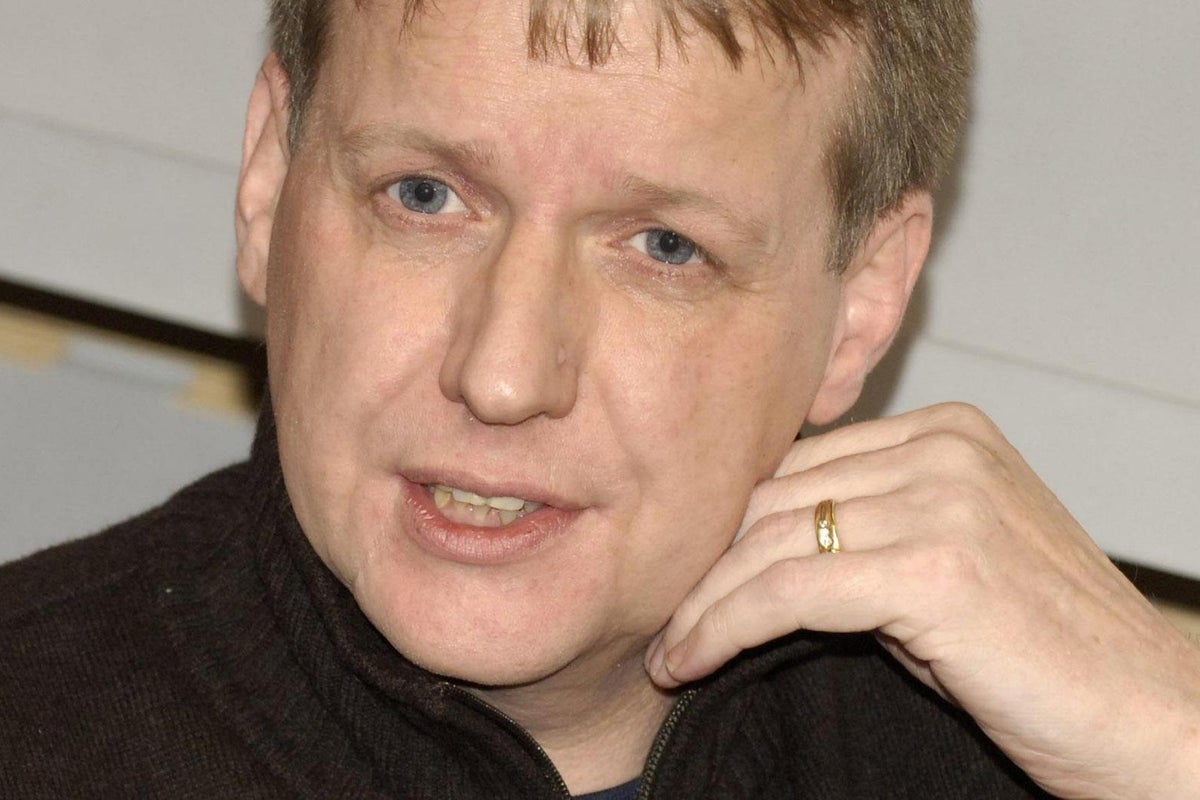
The 81st session of the United Nations General Assembly in New York saw an unprecedented diplomatic moment: German Foreign Minister Johann Wädephul and Russian Foreign Minister Sergey Lavrov sat down for a brief, 20‑minute conversation on the sidelines of the assembly. The meeting, reported by the German news agency dpa, is believed to be the first face‑to‑face encounter between the two men since Russia launched its full‑scale invasion of Ukraine in 2022.
Context and Background
Germany and Russia have been on a collision course for months. In late August, a drone attack on Leipzig Airport, which Germany blamed on Russia, sparked a wave of retaliatory measures. Both sides have since engaged in a tit‑for‑tat cycle of sanctions and diplomatic protests. The war in Ukraine, which Moscow describes as a "special military operation," has drawn widespread condemnation from the West and has led to a sharp increase in global tensions.
In the weeks leading up to the UN meeting, the European Union intensified its pressure on Russia, while Russia continued to launch missile and drone strikes against Ukrainian targets. The conflict has also had far‑reaching economic repercussions, affecting fuel, fertilizer and grain supplies worldwide.
The Meeting Itself
According to dpa, the ministers met in a room provided by the Russian side. The conversation lasted roughly twenty minutes, after which the two officials shook hands. While the exact content of their dialogue remains undisclosed, a German delegation official said that Wädephul urged Russia to abandon what he described as a "dangerous path of escalation" toward Germany, Europe and the NATO alliance. He also expressed a willingness to improve relations, provided that Russia shows a genuine commitment to ending the war in Ukraine.
Wädephul’s remarks came at a time when Germany has been particularly sensitive to Russian aggression, following the Leipzig incident. The German minister’s call for de‑escalation was echoed by other European leaders who have called for a diplomatic resolution to the conflict.
Lavrov’s Speech and the West
Shortly after the meeting, Sergey Lavrov took the podium at the General Assembly. In his address, Lavrov defended Russia’s military actions in Ukraine and launched a series of barbs at the West, including Germany. He criticized the notion of Germany or Japan gaining permanent seats on the UN Security Council and accused the West of trying to maintain its privileges while imposing its own rules on the rest of the world.
Lavrov also highlighted the concept of a "fairer, multipolar world order," a theme that aligns with Russia’s stance as a leading member of the BRICS group and other emerging alliances. He suggested that the geopolitical landscape was shifting in a way that could benefit Russia and its partners.
Broader Geopolitical Implications
The meeting and Lavrov’s speech come amid a broader geopolitical shift. The United States has been pushing for stronger sanctions against Russia, while the European Union has intensified its efforts to isolate Moscow. Meanwhile, Ukraine’s President Volodymyr Zelenskyy has used the UN platform to urge the international community to keep choking Russia’s revenues and to prevent the war from spreading.
In the United States, lawmakers passed a powerful sanctions bill targeting Moscow last month, which President Donald Trump signed into law. However, the measures have yet to be fully enacted. Zelenskyy has also mentioned that Washington is pushing for three‑way technical talks involving delegations from the U.S., Ukraine and Russia, although no concrete dates have been set.
Unresolved Questions and Next Steps
While the meeting was a symbolic gesture, it did not result in any concrete policy changes or agreements. The primary question that remains is whether Russia will take tangible steps toward de‑escalation and a potential ceasefire. Germany, on its part, is likely to continue monitoring Russia’s actions closely and may impose further sanctions if necessary.
Both sides have indicated that further dialogue could be possible, but the path forward is uncertain. The international community will be watching closely to see whether this meeting signals a new phase in the diplomatic engagement between Russia and the West.
Key facts
- German and Russian foreign ministers met for the first time since 2022.
- Wädephul urged Russia to de‑escalate toward Germany, Europe and NATO.
- Lavrov defended Russia’s war in Ukraine and criticized the West.
- No concrete agreements were reached during the meeting.
- International sanctions against Russia are intensifying.
- Ukraine’s president continues to call for global pressure to stop the war.
- Future diplomatic talks remain uncertain with no clear timeline.
Why it matters
The meeting marks a rare diplomatic engagement amid a prolonged conflict and heightened global tensions, potentially shaping future negotiations and international responses.
Frequently asked questions
What was the main purpose of the meeting?
The meeting aimed to address escalating tensions and discuss the war in Ukraine, with Germany urging Russia to de‑escalate.
Did the ministers reach any agreement?
No, the meeting ended with a handshake but no formal agreements were announced.
How does this affect the war in Ukraine?
The meeting may open a channel for dialogue, but its immediate impact on the conflict remains unclear.
What is Russia’s stance on the UN Security Council?
Russia criticized the idea of Germany or Japan gaining permanent seats, advocating for a multipolar world order.
What are the next steps for Germany and Russia?
Both sides are likely to continue monitoring each other’s actions, with potential for further diplomatic engagement depending on developments.