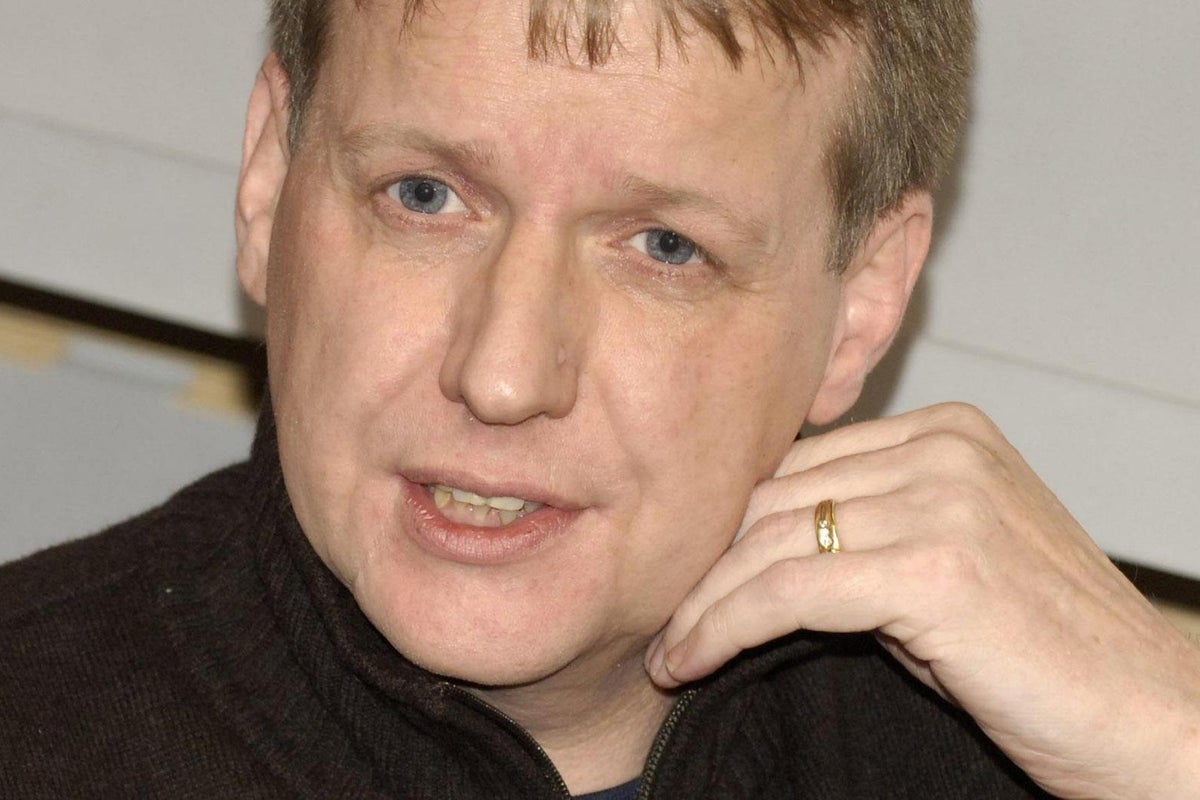
Eskom Chairman Mteto Nyati Reappointed
Eskom’s chairman Mteto Nyati has been confirmed to stay on, extending his leadership beyond the original three‑year term. Energy Minister Kgosientsho Ramokgopa used the announcement to outline expectations for Eskom’s next phase, dubbed "Eskom 2.0", focusing on financial stability, energy security…
By Felo News Desk · Published
Eskom’s board has officially extended the tenure of its chairman, Mteto Nyati, beyond the original three‑year term that was set to expire in October. The decision, announced by Energy Minister Kgosientsho Ramokgopa on Friday, comes after the utility reported its annual results last month and has clarified the leadership direction for the country’s largest power supplier.
Background on Mteto Nyati and Eskom’s Recent Challenges
Nyati, a former chief executive of MTN South Africa and Altron, joined Eskom’s board when it was reconstituted in October 2022, a period marked by record‑level load shedding. He became chairman a year later after Mpho Makwana stepped down. His appointment came at a time when Eskom was grappling with financial losses, a deteriorating generation fleet and growing public scrutiny over its ability to deliver reliable electricity.
Under Nyati’s leadership, Eskom has seen a turnaround. The utility more than doubled its net profit after tax to R30.3 billion for the year ending 31 March 2026, its second consecutive profitable year after eight years of losses. Net debt fell by R45.3 billion to R313.3 billion, signalling a significant improvement in the company’s financial health.
Minister’s Vision for "Eskom 2.0"
In his statement, Ramokgopa outlined what he called "Eskom 2.0" – a strategic phase that builds on the recent generation recovery plan and aims to secure sustainable energy, a financially sound utility and better service for South Africans. He emphasized that the board must develop a single roadmap covering the next three, five and ten years, detailing the utility’s public obligations, future generation mix, commercial position and necessary investment.
Key points of the minister’s vision include:
- Eliminating the need for repeated fiscal support or sustained double‑digit tariff increases.
- Completing the Integrated Resource Plan 2025, which guides new electricity generation and the transformation of the existing fleet.
- Reducing emissions at coal stations, exploring coal abatement technologies and repurposing power plant sites.
- Expanding Eskom Green’s renewable portfolio to a credible pipeline of projects, with a target of about 2 GW of renewable capacity.
- Strengthening the grid through a deliverable programme that encourages private investment and supports local manufacturing and skills development.
- Extending growth into Southern Africa via cross‑border interconnectors and electricity trade, supported by regional financial institutions.
Financial Discipline and Commercial Strategy
Ramokgopa called for a stronger commercial and customer strategy. While mining and industry remain key demand drivers, the minister highlighted the need for a deliberate approach to data centres, which require reliable supply, suitable locations, network capacity and long‑term contracts.
Municipal debt continues to strain supply and network investment. The department will work with national treasury, the Department of Cooperative Governance & Traditional Affairs and the South African Local Government Association to enforce payment discipline. Eskom’s gross municipal arrears rose 17.9% to R111.6 billion in the last financial year.
Smart metering was identified as a tool to improve service delivery and strengthen revenue collection. The board is also expected to reduce system losses, improve procurement and maintenance, and tighten financial controls to achieve an unqualified audit opinion. Deloitte’s recent qualified opinion highlighted irregular expenditure that Eskom must address.
Next Steps and Unresolved Questions
While the board’s roadmap and specific timelines remain to be announced, the extended chairmanship signals continuity in leadership. The focus will be on delivering the "Eskom 2.0" strategy, ensuring financial sustainability, and meeting the nation’s growing energy demands without further bailouts. The utility’s ability to navigate these challenges will be closely watched by regulators, investors and the South African public.
As Eskom moves forward, stakeholders will be keen to see how the board implements the outlined plans, particularly in terms of renewable integration, grid upgrades, and commercial reforms that can reduce reliance on tariff hikes and government subsidies.
Key facts
- Nyati’s chairmanship extended beyond the original term
- Eskom posted its second consecutive profit, reducing net debt
- Minister outlines "Eskom 2.0" strategy for sustainable energy
- Roadmap to cut reliance on bailouts and tariff hikes
- Focus on renewables, grid upgrades and regional integration
Why it matters
The reappointment of Mteto Nyati provides stability for Eskom during a critical transition period, while the minister’s roadmap sets clear expectations for financial health and energy security—key concerns for South Africa’s economy and its citizens.
Frequently asked questions
How long will Mteto Nyati serve as Eskom chairman?
His term has been extended beyond the original three‑year period, with no specific end date announced yet.
What is "Eskom 2.0"?
It is the utility’s next phase, focusing on financial stability, energy security and a shift toward renewable and efficient generation.
Will Eskom rely on government bailouts?
The minister has stated that Eskom must operate without repeated fiscal support or sustained double‑digit tariff increases.
Sources
- [1] techcentral.co.za — originally reported as “Mteto Nyati to stay on as Eskom chairman”