Northern Ireland Secretary Chris Bryant bans Drumcree parade amid two‑week standoff
The ban follows pressure from Sinn Féin, the SDLP and police warnings that the march could spark serious disorder.
By Felo News Desk · Published
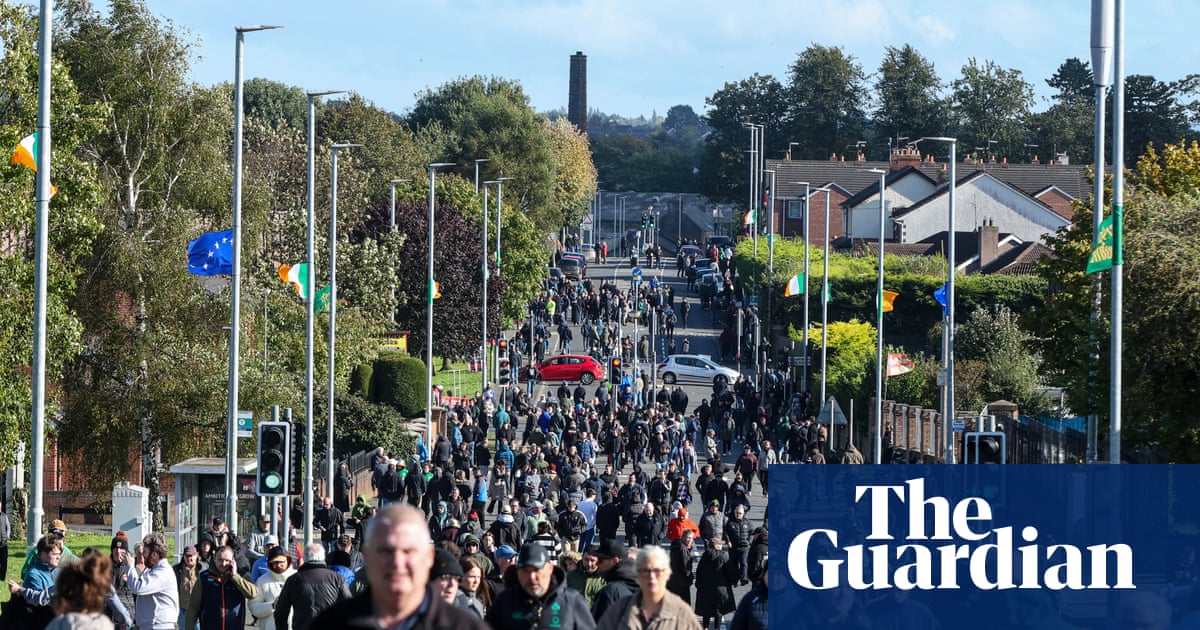
Northern Ireland Secretary Sir Chris Bryant announced on 9 October that the Drumcree parade will not be allowed to proceed on Garvaghy Road in Portadown, ending a stand‑off that has lasted almost two weeks.
What happened
The dispute began when the Parades Commission authorised the Orange Order to march from Drumcree Church into Portadown, the first such permission in nearly 30 years. Residents of Garvaghy Road blocked the route, leading to daily protests and a growing risk of violence. On the 13th day of the deadlock, Bryant said the Police Service of Northern Ireland (PSNI) chief constable warned that enabling the procession would require a major intervention with an "unacceptable risk of serious injury, disorder and a wider contagion effect across Northern Ireland". Citing that assessment, Bryant declared the procession not in the public interest and formally banned it.
What the reports add
Independent reported that Bryant said he had reviewed the original Parades Commission determination and, after consulting the PSNI chief constable, concluded the march could not safely proceed. The BBC added that the Parades Commission had advised Bryant that, while the matter might ultimately be decided by the courts, the original determination no longer had "enduring legal effect" in light of the chief constable’s assessment. Both outlets note that pressure had mounted from Sinn Féin and the SDLP for a ban.
What was said
Sir Chris Bryant told the Independent, "Everybody will have seen over the last two weeks that there’s been a major standoff and a difficult situation in Drumcree and Portadown… I’ve not taken the decision lightly". He also said the PSNI chief constable had contacted him earlier that day to review the Parades Commission’s original determination. The BBC quoted Bryant as saying the chief constable warned that "it would not be possible to enable the procession to happen without a major intervention which would carry an unacceptable risk of serious injury, disorder and a wider contagion effect across Northern Ireland".
How it came about
The ban follows a series of escalating events documented by Felo News. On 27 September the High Court upheld the Parades Commission’s decision to allow the march, prompting renewed protests. By 29 September the standoff entered its third day, with Bryant urging compromise and Ireland’s foreign minister calling for an international mediator. On 3 October the dispute entered its eighth day, and on 6 October Bryant faced calls from First Minister Michelle O’Neill and cultural figures to intervene. Police began issuing interview letters to suspected lawbreakers on 8 October. The latest decision caps a ten‑day impasse that began after the Parades Commission’s ruling.
Key facts
- Sir Chris Bryant announced a ban on the Drumcree parade on 9 October 2026. (independent.co.uk)
- The ban follows a two‑week standoff between the Orange Order and Garvaghy Road residents. (bbc.co.uk)
- The PSNI chief constable advised that allowing the procession would pose an unacceptable risk of serious injury and disorder. (bbc.co.uk)
- Bryant said he reviewed the original Parades Commission determination before deciding to ban the march. (independent.co.uk)
Where accounts differ
- Exact wording of Bryant's quote about the Parades Commission's legal effect: the original determination ... does not have enduring legal effect (independent.co.uk); the original determination does not now have enduring legal effect (bbc.co.uk)
Timeline
- 2026-09-27 — High Court upholds Parades Commission decision to allow the march
- 2026-09-29 — Standoff enters third day; Bryant calls for compromise
- 2026-10-03 — Eighth day of standoff; legal appeal scheduled
- 2026-10-06 — First Minister and artists urge Bryant to intervene
- 2026-10-08 — Police to send interview letters to suspected lawbreakers
Sources
- [1] independent.co.uk
- [2] bbc.co.uk