Brief
NASA launched Cassini on Oct. 15 1997, beginning a 20‑year Saturn mission
The Cassini‑Huygens mission left Cape Canaveral in 1997, orbited Saturn in 2004 and concluded with a controlled descent in 2017.
By Felo News Desk · Published
On Oct. 15, 1997 NASA launched the Cassini spacecraft on a Titan IVB rocket from Cape Canaveral Air Force Station, beginning a flagship mission to Saturn and its moons, Space.com reported.
What happened
Cassini lifted off atop the Titan IVB and spent nearly seven years traveling to Saturn, entering orbit in 2004. The European Space Agency’s Huygens probe rode with Cassini and landed on Titan in 2005. Cassini then spent 13 years studying Saturn’s rings, moons and atmosphere, while Huygens provided the first direct observations of Titan’s surface. The mission lasted about 20 years, ending on Sept. 15, 2017 when NASA directed the spacecraft to plunge into Saturn’s atmosphere to avoid contaminating moons such as Enceladus and Titan.
What the reports add
Space.com noted that Cassini was the first probe to orbit Saturn and that its $3.26 billion cost made it a flagship planetary mission. The article highlighted several discoveries: a hexagon‑shaped jet stream at Saturn’s north pole, hurricane‑like vortices over both poles, a planet‑encircling storm in 2010‑2011, and icy water plumes erupting from Enceladus that suggest a subsurface ocean.
What was said
NASA’s overview, quoted by Space.com, said: “NASA’s Cassini spacecraft and ESA’s Huygens probe expanded our understanding of the kinds of worlds where life might exist and eight more reasons the mission changed the course of planetary exploration.”
How it came about
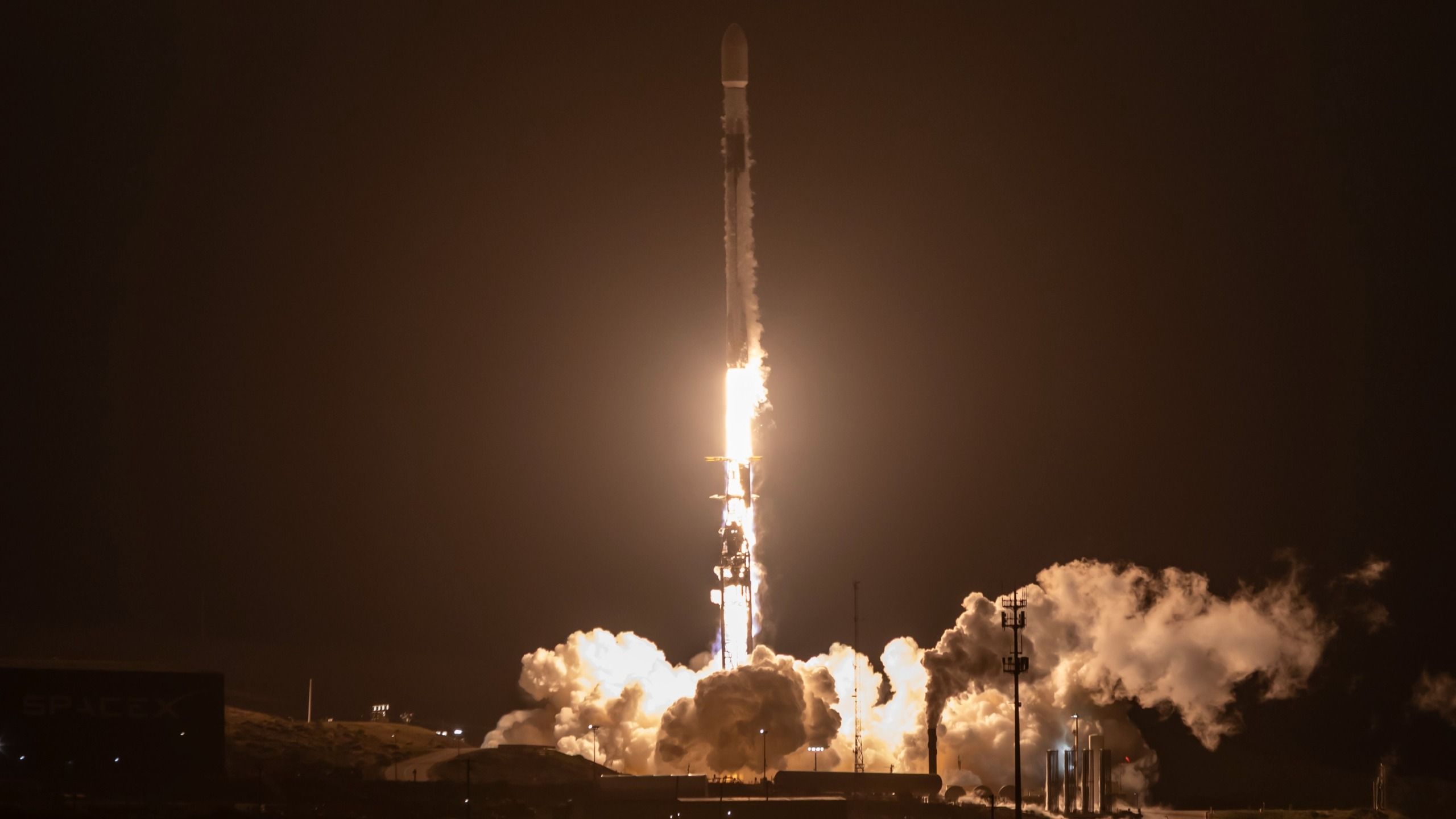
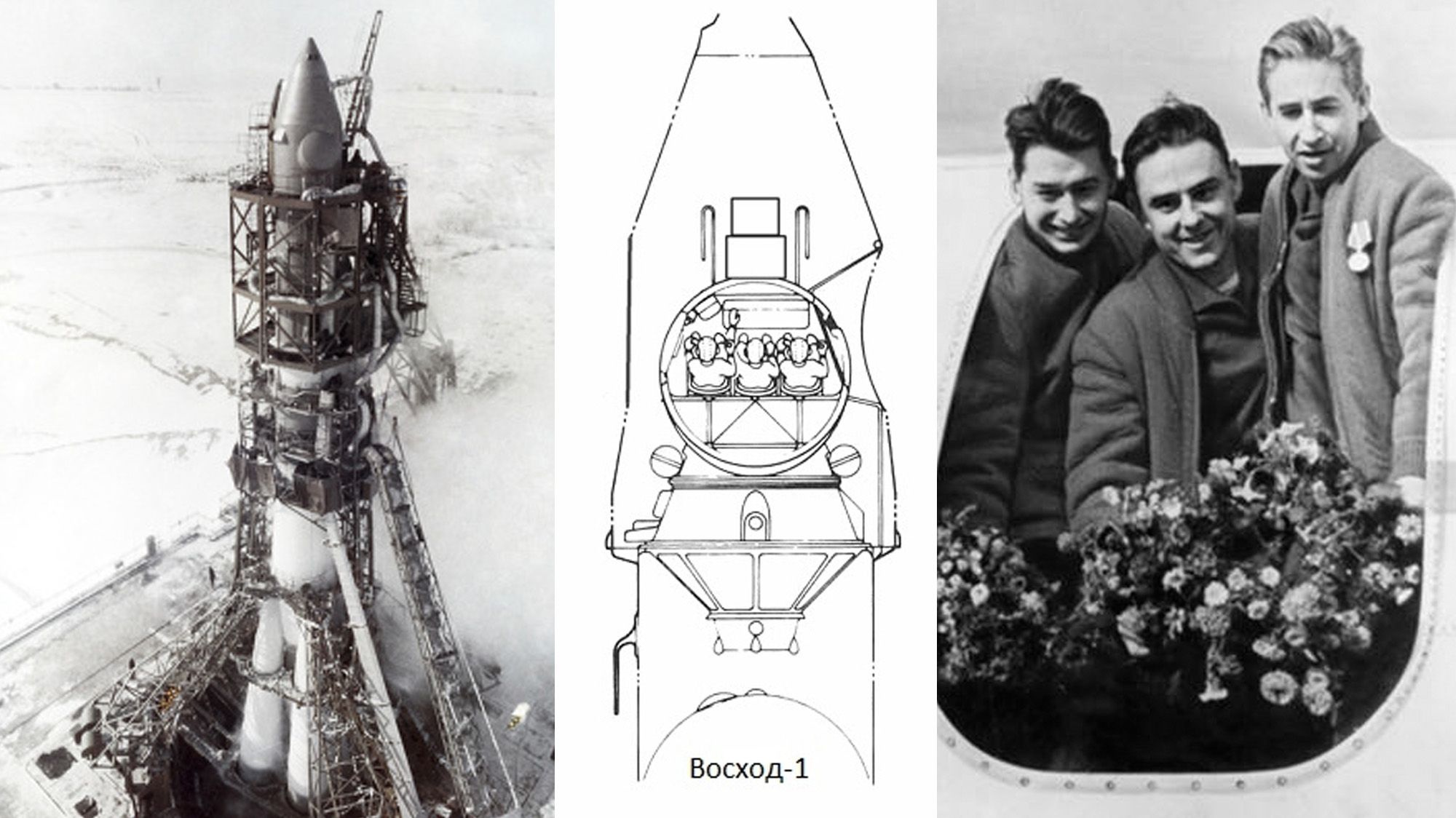
The Cassini‑Huygens mission followed earlier planetary probes and built on NASA’s legacy of deep‑space exploration. Felo News previously covered historic launches such as the Soviet Voskhod‑1 flight and recent SpaceX missions, providing context for how Cassini fit into the broader timeline of human spaceflight.
Key facts
- Cassini launched on Oct. 15, 1997 aboard a Titan IVB rocket from Cape Canaveral. (space.com)
- Cassini entered Saturn orbit in 2004 after a seven‑year cruise. (space.com)
- The mission ended with a controlled descent into Saturn on Sept. 15, 2017. (space.com)
- Cassini discovered a hexagon jet stream, polar vortices, a planet‑wide storm, and Enceladus water plumes. (space.com)
Sources
- [1] space.com — originally reported as “On this day in space! Oct. 15, 1997: NASA launches Cassini-Hugyens probe on 7-year voyage to Saturn”