Brief
AI cuts eye disease diagnosis time from 23 days to 30 seconds in Tanzania
The trial in Kilimanjaro and Arusha regions found AI‑assisted screening doubled referral attendance and slashed result times.
By Felo News Desk · Published
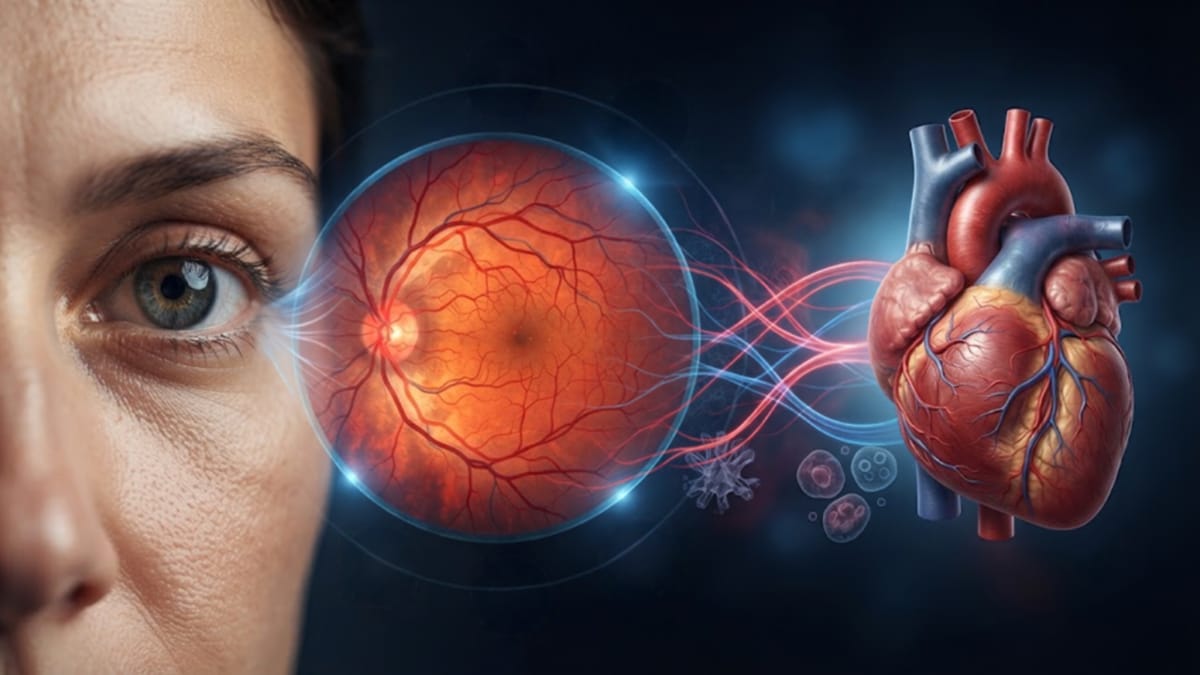
Patients whose eye scans were read by an artificial‑intelligence programme in Tanzania received results in about 30 seconds, compared with an average waiting time of 23 days for doctor‑read scans, according to a study reported by the Telegraph.
What happened
The Lancet Global Health‑published trial randomly assigned more than 2,000 diabetes patients attending clinics in Tanzania’s Kilimanjaro and Arusha regions to either standard screening or AI‑assisted screening. All participants had retinal photographs taken. In the standard arm, images were sent to specialists and patients were later contacted by phone or text, with an average 23‑day gap before results. In the AI arm, the algorithm analysed the images on site and delivered a diagnosis within 30 seconds, allowing immediate referral advice.
What the reports add
Two‑fifths of the participants showed eye changes requiring specialist referral. Among those screened with AI, 36 % attended the central ophthalmology clinic within eight weeks, double the 18 % attendance rate in the usual‑care group. The study also notes that most people in the trial areas are farmers who rely heavily on vision for their livelihood.
What was said
Dr Jestus Rwiza of Kilimanjaro Christian Medical Centre, co‑author of the paper, said the participants “depend on vision” and highlighted the broader economic impact of blindness on families, recalling a case where a patient’s daughter stopped schooling to help her mother. Dr Charles Cleland, ophthalmologist and clinical research fellow at the London School of Hygiene & Tropical Medicine, said the instant AI diagnosis enabled “face‑to‑face counselling at the point of screening, giving people the opportunity to ask questions, understand treatment options and feel supported in their care.” He added that the technology could ease Tanzania’s shortage of trained eye specialists and help prevent irreversible sight loss.
How it came about
The trial builds on growing concerns about diabetic retinopathy, a complication affecting roughly a third of Africa’s 23 million people with diabetes. The World Health Organization recommends regular eye screening for people with diabetes, but Tanzania faces a shortage of ophthalmologists. The government has announced plans to roll out AI‑assisted screening more widely following the study’s results.
Key facts
- AI‑assisted eye scans delivered results in about 30 seconds, versus 23 days under standard care. (telegraph.co.uk)
- 36% of AI‑screened patients attended a specialist clinic within eight weeks, compared with 18% in the control group. (telegraph.co.uk)
- The study involved over 2,000 diabetes patients in Tanzania’s Kilimanjaro and Arusha regions. (telegraph.co.uk)
- Two‑fifths of participants had retinal changes needing referral. (telegraph.co.uk)
- Tanzania plans to expand AI‑assisted screening after the trial. (telegraph.co.uk)
Sources
- [1] telegraph.co.uk — originally reported as “AI cuts diagnosis for eye disease from 23 days to just 30 seconds”