US spending on first week of Iran war raises stark questions about priorities
The United States poured $11.3 billion into its first week of military action against Iran, a sum that could fully fund major public health and scientific agencies. This spending underscores a growing tension between defense budgets and domestic priorities, as the Trump administration pushes for cu…
The Pentagon revealed that the United States expended $11.3 billion in the first six days of its joint attack on Iran, a figure that dwarfs the annual budgets of several key public health and scientific agencies. This stark contrast has sparked debate over the nation’s priorities, especially as the Trump administration continues to propose significant cuts to the Environmental Protection Agency, the Centers for Disease Control and Prevention, and the National Science Foundation.
What Happened in the First Week of the Iran War
On February 28, the US and Israel launched a coordinated strike against Iranian military targets. Within six days, the US had spent $11.3 billion on bombs and other weaponry, according to Pentagon reports to Congress. The cost includes only the direct purchase of munitions and does not account for the broader expenses of deploying forces, maintaining readiness, or supporting allied troops on the ground. As the conflict continues, the total financial burden is expected to rise sharply.
Comparing Military Spending to Public Health and Science Budgets
When the $11.3 billion figure is compared to the annual budgets of major federal agencies, the disparity becomes clear. The Environmental Protection Agency receives about $8.8 billion each year, the Centers for Disease Control and Prevention about $9.2 billion, and the National Cancer Institute roughly $7.4 billion. The National Science Foundation’s total funding for the year is also less than $11.3 billion. In other words, the money spent on a single week of military action could have fully funded these agencies for an entire fiscal year.
Harvard Medical School professor Adam Gaffney criticized the allocation, noting that the same funds could double public health spending or expand environmental protections. He argued that the war’s costs reflect a prioritization of militarism over the health and welfare of the American public.
Congressional Resistance to Budget Cuts
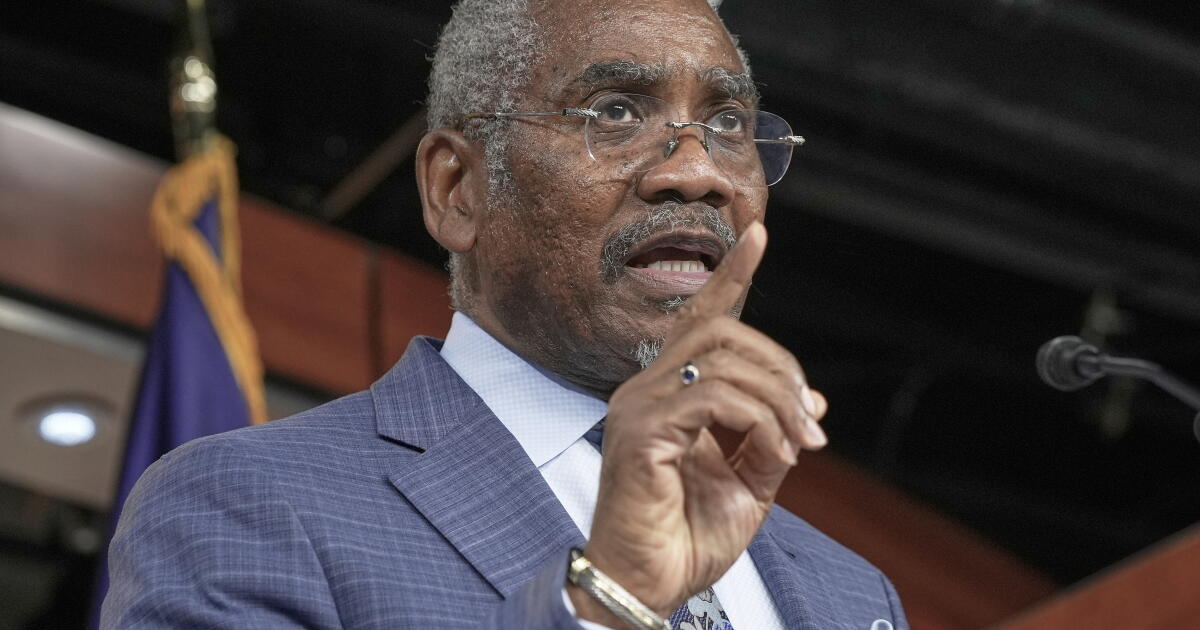
The Trump administration has proposed reductions of more than 50% for the EPA and the NSF. However, Congress has resisted these cuts, passing spending bills that maintain funding levels close to those of previous years. Representative Adam Schiff highlighted the disparity, stating that the Department of Defense, with an annual budget exceeding $900 billion, has ample resources even with the Iran war’s outlay. He emphasized that the billions spent on the conflict could instead fund new hospitals, schools, and broader healthcare initiatives.
The Broader Impact on Science and Environmental Policy
Last year, the administration launched a “department of government efficiency” initiative, led by Elon Musk’s Doge, which targeted what it deemed wasteful spending. The program involved firing agency staff, cutting thousands of research grants, and blacklisting projects that did not align with the administration’s ideological stance. EPA administrator Lee Zeldin announced the elimination of grants he described as “irresponsibly shoveling cash to far‑left activist groups.”
Scientists warn that such cuts threaten progress in clean energy, cancer research, and climate science. Researchers have already left the United States, citing a “brain drain” that undermines the country’s scientific leadership. The administration’s focus on a handful of “moonshot” projects—such as fusion energy and a return to the Moon—has also drawn criticism for diverting resources from more immediate public needs.
Future Outlook and Unresolved Questions
As the war with Iran continues, the cumulative cost is expected to increase, further widening the gap between defense spending and domestic investment. The administration’s future budget proposals remain uncertain, particularly regarding the fate of the EPA, CDC, NSF, and other agencies. Meanwhile, the scientific community watches closely to see whether the emphasis on large‑scale, high‑profile projects will eclipse the need for steady funding across a broad spectrum of research areas.
Ultimately, the debate centers on whether the United States should prioritize military engagements or invest in the health, environment, and scientific innovation that directly benefit its citizens.
Why it matters
The allocation of billions to military operations at the expense of public health and scientific research raises critical questions about national priorities and the long‑term well‑being of the American population.
Key points
- US spent $11.3bn in first week of Iran war, enough to fund major agencies
- Trump administration pushes for >50% cuts to EPA and NSF
- Congress has resisted budget cuts, keeping funding levels stable
- Scientific community warns of brain drain and loss of research funding
- Debate centers on militarism vs. public health and environmental priorities
Frequently asked questions
How does the $11.3bn compare to the EPA budget?
The EPA’s annual budget is about $8.8bn, so the war’s first‑week cost exceeds the EPA’s yearly funding.
What other agencies are affected by the proposed cuts?
The CDC, National Cancer Institute, and National Science Foundation are also facing significant budget reductions.
Will the war’s costs continue to rise?
Yes, as the conflict persists, the total financial burden is expected to increase beyond the initial $11.3bn.