Gaza documentary praised at Venice sparks fury in Israel
The Israeli documentary "NAZA", which exposes alleged Israeli military use of AI to target Gaza civilians, received a special jury prize at the Venice Film Festival. The award sparked intense backlash from Israeli leaders, including Prime Minister Benjamin Netanyahu and the Chief of Staff, who cond…
The Israeli documentary "NAZA" has become the center of a political storm after it was awarded a special jury prize at the Venice International Film Festival last week. The film, co‑directed by Yuval Abraham and Rachel Szor, claims that Israel’s military used artificial‑intelligence software to target Hamas positions in Gaza while knowingly causing civilian casualties. The award, which earned the film a 25‑minute standing ovation, has drawn fierce criticism from Israeli officials who accuse the filmmakers of treason, antisemitism and a deliberate attempt to defame the state.
What the Film Says
Shot over three years from the rooftops of Tel Aviv, "NAZA" features testimony from 24 Israeli military insiders—intelligence officers, soldiers and other personnel—who describe how the Israeli Defense Forces (IDF) identify and strike targets in Gaza. According to the filmmakers, the IDF’s AI system is used to locate potential Hamas targets, but the system also flags civilian structures that are likely to be hit. The insiders claim that commanders are aware of the high probability of civilian casualties and still proceed with the strikes. While the IDF acknowledges using AI for target identification, it insists that a human operator makes the final decision before a strike is carried out.
The documentary’s title is an acronym used by the Israeli military for "collateral damage," and the film’s synopsis, released by The Guardian, states that it "reveals in detail the systems behind Israel’s calculated mass killing of Palestinian civilians in Gaza." The film is not yet available to the public, but the directors have said they plan to seek distribution in Israel, Europe and the United States.
Venice Reception and Immediate Fallout
During the festival’s awards ceremony, "NAZA" was presented with a special jury prize and received a prolonged standing ovation that lasted roughly 25 minutes. The applause was described by festival attendees as a "celebration of truth" and a "moment of catharsis" for those who felt the film’s message was overdue. However, the reaction in Israel was swift and hostile.
Prime Minister Benjamin Netanyahu immediately condemned the film, labeling it as antisemitic and a form of incitement. He said, "When it comes from within us, it’s simply unbearable," and called the documentary part of a broader campaign to defame Israel. Netanyahu’s Cabinet members and political opponents in the upcoming elections also denounced the film, describing it as a threat to national security.
Israel’s Culture Minister Miki Zohar went further, calling for the Israeli co‑directors to be stripped of their citizenship. Lt. Gen. Eyal Zamir, the Chief of Staff of the Israeli military, asked prosecutors to investigate potential leaks and alleged that the film’s insiders had provided confidential information. Zamir warned that the documentary was "a dangerous attempt to deny us the legitimacy to defend ourselves against the worst of our enemies."
International Context and Historical Background
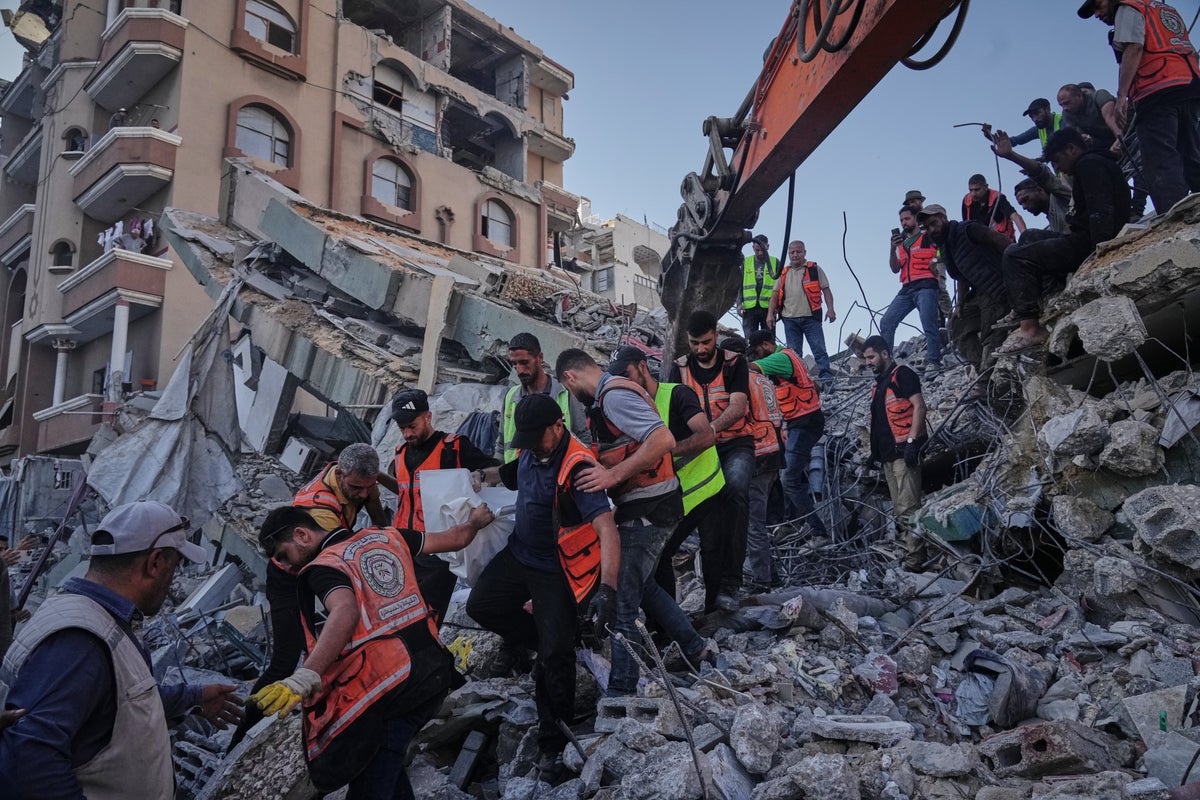
The film’s release comes against the backdrop of the ongoing war that began on Oct. 7, 2023, when Hamas militants launched an attack that killed around 1,200 Israelis and seized 251 hostages. Israel’s response has been framed domestically as a fight for self‑defence, while internationally the conflict has drawn widespread condemnation and accusations of war crimes. According to the Gaza Health Ministry, at least 73,789 Palestinians have died in the conflict, though the ministry does not differentiate between civilians and combatants.
"NAZA" is the second documentary from Abraham and Szor; their 2025 Oscar‑winning film "No Other Land" documented Palestinian families in the West Bank facing home demolitions and settler attacks. The new film continues their focus on the human cost of the Israeli‑Palestinian conflict, this time spotlighting the Gaza Strip.
Future of the Film and Unresolved Questions
While the filmmakers have expressed a desire to distribute the documentary in Israel, the political climate may hinder that goal. The Israeli government’s calls for citizenship revocation and investigations into leaks could effectively block the film’s release domestically. In Europe and the United States, the film may find a more receptive audience, but it remains to be seen whether distribution deals can be secured amid the controversy.
Key questions that remain unanswered include: How many Israeli soldiers were involved in the alleged AI‑guided strikes? What specific protocols does the IDF follow when civilian casualties are likely? And how will the Israeli government respond if the film’s allegations are verified by independent investigations?
As the war in Gaza continues and the political debate rages, "NAZA" has become a focal point for discussions about accountability, transparency and the ethics of modern warfare. Whether the documentary will spark policy changes or simply deepen divisions remains to be seen.
Why It Matters
The controversy surrounding "NAZA" highlights the growing tension between artistic expression and national security concerns. It also underscores the international scrutiny of Israel’s military tactics and the broader debate over the legality and morality of using AI in armed conflict.
Key Takeaways
- "NAZA" won a special jury prize at Venice and received a 25‑minute standing ovation.
- Israeli officials, including PM Netanyahu and the Chief of Staff, have condemned the film as antisemitic and treasonous.
- The documentary alleges that Israel’s AI system identifies Hamas targets while knowingly causing civilian casualties.
- Calls have been made to strip the filmmakers of Israeli citizenship and investigate potential leaks.
- The film’s future distribution in Israel is uncertain amid political backlash.
- The war in Gaza remains a flashpoint for international condemnation and internal debate over military conduct.
FAQs
- What is the film’s main claim? The film claims that Israel’s military uses AI to target Hamas while knowingly killing civilians.
- Why did Israeli officials react so strongly? They view the film as an attempt to defame Israel, incite antisemitism and undermine national security.
- Will the film be released in Israel? It is uncertain; political pressure may block domestic distribution.
- Who are the filmmakers? Yuval Abraham and Rachel Szor, co‑directors of the Oscar‑winning "No Other Land."
- What is the significance of the Venice award? It gave the film international visibility and a platform for its allegations.
Why it matters
The debate over "NAZA" forces a confrontation between state security narratives and independent investigative journalism, raising critical questions about accountability in modern warfare.
Key points
- "NAZA" won a special jury prize at Venice and received a 25‑minute standing ovation.
- Israeli leaders, including PM Netanyahu, condemned the film as antisemitic and treasonous.
- The documentary alleges Israel’s AI system targets Hamas while knowingly killing civilians.
- Calls to strip the filmmakers of citizenship and investigate leaks have been made.
- The film’s future distribution in Israel is uncertain amid political backlash.
- The controversy reflects broader tensions over war conduct and media freedom.
Frequently asked questions
What is the film’s main claim?
The film alleges that Israel’s military uses AI to target Hamas while knowingly causing civilian casualties.
Why did Israeli officials react so strongly?
They view the film as an attempt to defame Israel, incite antisemitism and undermine national security.
Will the film be released in Israel?
It is uncertain; political pressure may block domestic distribution.
Who are the filmmakers?
Yuval Abraham and Rachel Szor, co‑directors of the Oscar‑winning "No Other Land."
What is the significance of the Venice award?
It gave the film international visibility and a platform for its allegations.