Trump news at a glance: president goes to war again
President Donald Trump announced a joint US‑Israel air campaign against Iran that he said killed Supreme Leader Ayatollah Ali Khamenei. The strike has triggered fierce domestic criticism, protests across the United States, and a rapid Iranian missile response targeting Israeli and US assets in the…
On Saturday, the United States, in coordination with Israel, launched a large‑scale aerial bombardment of Iran. Within hours of the first missiles hitting Iranian military and governmental sites, President Donald Trump took to Truth Social to declare that the strike had killed Iran’s Supreme Leader, Ayatollah Ali Khamenei. The claim was later echoed by Iranian state media, which confirmed the ayatollah’s death and showed satellite images of severe damage to his Tehran compound.
What the strike entailed
The operation, described by Israeli officials as "Operation Lion’s Roar," targeted dozens of locations across Iran, including missile launch facilities, Revolutionary Guard headquarters, and, according to U.S. officials, the personal residence of Khamenei. Trump framed the "heavy and pinpoint bombing" as a decisive step toward regime change, promising that the campaign would continue "through the week or as long as necessary" until Iran’s ability to threaten the United States and its allies was neutralised.
U.S. officials said the timing of the strike was intentional: the initial wave arrived at 9:15 a.m. local time, when government offices and ministries were fully staffed, maximising the impact on Iran’s command structure. Satellite imagery released after the attack showed the leader’s compound reduced to a charred ruin, though Iranian officials later claimed the 86‑year‑old ayatollah was not present at the time.
Domestic reaction in the United States
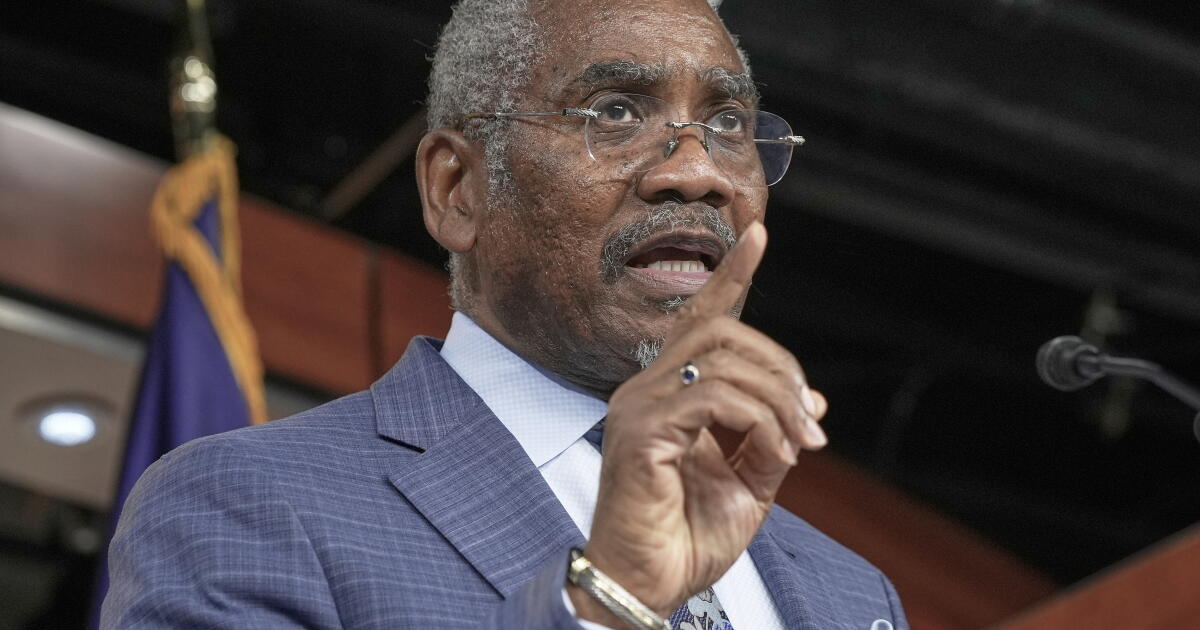
The unprecedented move has ignited a wave of criticism from Congress and the public. Lawmakers from both parties accused Trump of launching an act of war without a formal congressional declaration, calling the action "unauthorized" and "dangerous." The so‑called "Gang of Eight," a group of senior national‑security legislators, reportedly received only a last‑minute briefing before the strikes began.
During his State of the Union address, Trump devoted merely three minutes to the Iran operation, attempting to justify the attack as a response to a long‑standing strategic foe. Critics argue that the brief explanation failed to address the legal and humanitarian implications of a war‑like action taken without explicit legislative approval.
Across major U.S. cities, anti‑war demonstrators gathered to protest the strikes. In Washington, D.C., protesters outside the White House shouted that the president was acting "like a fascist" and bypassing democratic oversight. Similar rallies erupted in New York’s Times Square, with participants holding signs that read "No war without Congress" and "Stop endless Middle East aggression."
Iran’s retaliation and regional fallout
Iran responded within hours, launching a barrage of missiles aimed at Israeli and U.S. installations throughout the Middle East. The Iranian Foreign Ministry reported 201 civilian deaths and 747 injuries across 24 provinces, citing attacks on Revolutionary Guard bases and missile sites. While the ministry did not confirm Khamenei’s death, it warned that any further aggression would be met with "no leniency."
Missiles struck several regional targets, including Israeli air bases and U.S. facilities in the Gulf. The attacks also spilled over into neighbouring states: a missile hit Dubai’s Fairmont Hotel on Palm Jumeirah, injuring four people, and an intercepted drone caused a fire at the Burj Al Arab. Minor damage was reported at Dubai International Airport, underscoring the broader risk of escalation.
Israel, for its part, reaffirmed its commitment to continue the air campaign "as long as necessary" to degrade Iran’s capabilities. Israeli officials described the initial strike as a "decapitation" effort designed to cripple the Iranian leadership and weaken the Revolutionary Guard’s command chain.
Background and why this moment matters
The strike marks the second direct U.S. attack on Iran within eight months, the first occurring in June 2023 when Trump claimed to have "obliterated" Iranian nuclear facilities. Both actions have occurred amid stalled nuclear negotiations and rising tensions over Iran’s regional influence. By targeting Khamenei, the United States appears to be testing a new strategy: removing the symbolic head of the regime in hopes of fracturing the loyalty of the Revolutionary Guard and prompting internal dissent.
Analysts caution that the move could backfire, potentially galvanising Iranian nationalism and prompting a protracted conflict that would draw in regional powers. The rapid Iranian missile response suggests that Tehran retains a robust retaliatory capability, and the spill‑over attacks on commercial sites in the Gulf raise concerns about civilian safety and global economic stability.
What comes next
Congress is expected to hold emergency hearings to examine the legality of the strike and to consider possible sanctions or military aid to allies in the region. Meanwhile, diplomatic channels remain open, though both sides have exchanged harsh rhetoric. The United Nations Security Council is likely to convene an emergency session to address the breach of the UN Charter alleged by Iran.
In the coming days, the United States and Israel will decide whether to intensify the bombing campaign or shift toward a negotiated de‑escalation. Iran’s next moves—whether further missile launches, cyber attacks, or attempts at internal consolidation—will shape the trajectory of a conflict that could reshape Middle‑East geopolitics for years to come.
Why it matters
The strike challenges long‑standing norms about congressional war powers and risks expanding a regional conflict that could destabilise the Middle East and affect global security.
Key points
- Trump announced a joint US‑Israel strike that allegedly killed Supreme Leader Ayatollah Ali Khamenei
- Congressional leaders denounced the attack as an unauthorized act of war
- Iran launched missile retaliation against Israeli and US targets, causing civilian casualties
- Protests erupted across the United States demanding congressional oversight
- The incident raises the prospect of a broader Middle‑East escalation
Frequently asked questions
Did the US actually kill Ayatollah Khamenei?
Iranian state media confirmed the ayatollah’s death and released satellite images of his damaged compound, but Tehran has not officially confirmed his status, leaving some uncertainty.
Is the US strike legal without a congressional declaration?
Most legal scholars argue that sustained military action requires congressional approval; critics say Trump’s move bypassed the War Powers Resolution.
What retaliation has Iran carried out?
Iran fired missiles at Israeli and US bases across the region, hit commercial sites in Dubai and Bahrain, and reported over 200 civilian deaths and hundreds of injuries.
How have Americans responded to the strike?
Hundreds of anti‑war protesters gathered in major cities, accusing Trump of acting unilaterally and demanding a return to constitutional oversight.
What are the possible next steps for the US and Israel?
Both governments may either intensify the bombing campaign or seek diplomatic channels to de‑escalate, while Congress is expected to hold hearings on the legality of the operation.