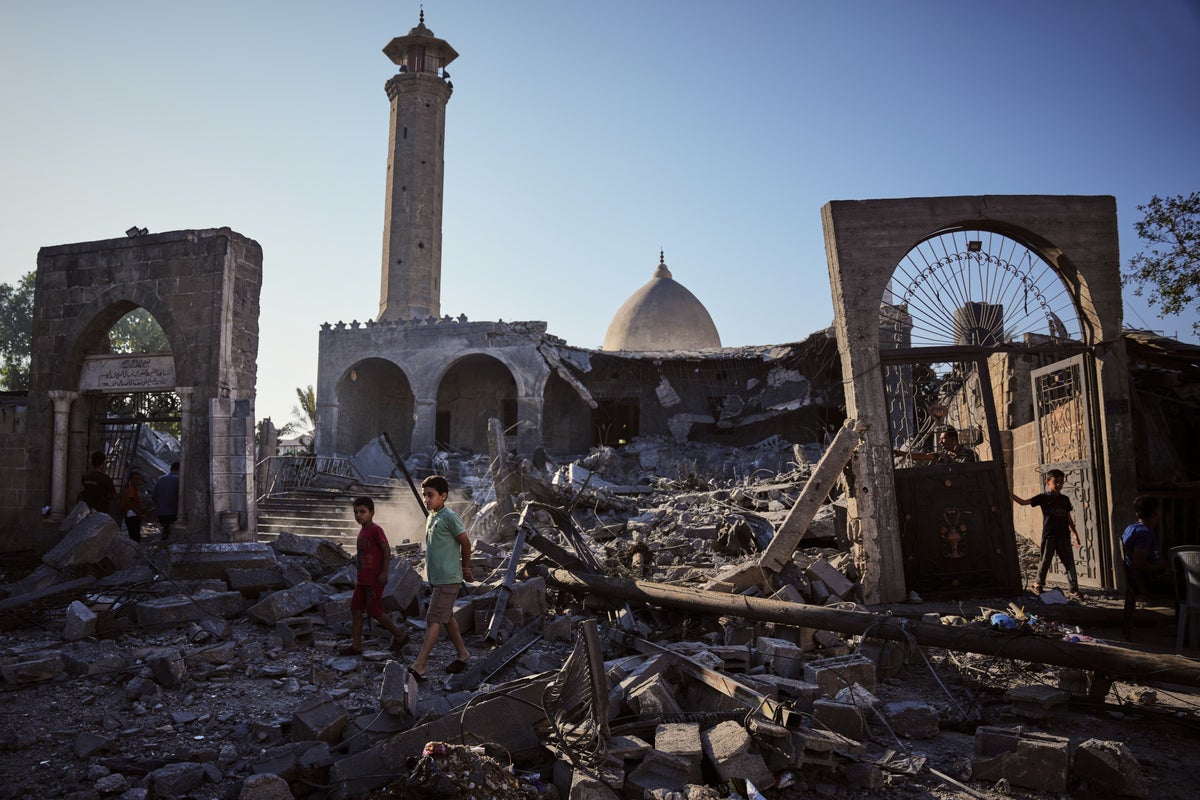
Trump Is Reportedly Sending Israel $2. 8 Billion in Bombs. You're Paying for Them
The Trump administration is preparing a $2.8 billion deal that will provide Israel with 40,000 bombs, financed by U.S. taxpayer dollars through a foreign military financing program. The move has sparked debate over U.S. arms sales and public opinion on aid to Israel.
The Trump administration is reportedly arranging a $2.8 billion purchase of 40,000 bombs for Israel, a deal that would be financed entirely with U.S. taxpayer money through a foreign military financing program. The arrangement, described as a sale by the administration, would effectively hand Israel the funds to buy the munitions from U.S. stockpiles, bypassing the usual revenue‑generating arms‑sale process.
How the Deal Works
Traditionally, U.S. arms sales involve a transaction where the buying country pays for weapons, and the proceeds return to the U.S. economy. In this case, the Trump administration would use a special program—Foreign Military Financing (FMF)—to provide Israel with the money needed to purchase the bombs. Under FMF, the U.S. government supplies foreign militaries with funds that they can use to buy U.S. weapons from domestic suppliers. The result is that the U.S. government pays for the munitions, and the money does not circulate back into the U.S. economy.
Public Opinion on U.S. Aid to Israel
Recent polls indicate a growing unease among Americans about the level of U.S. support for Israel. A 2024 poll found that 52 % of respondents believed the U.S. should stop sending weapons to Israel. A New York Times/Siena College poll released late last year also found a majority opposed to additional economic or military aid. In June, a Quinnipiac poll reported that nearly half of U.S. voters think America is too supportive of Israel overall. These findings suggest that the public may view the proposed bomb deal with skepticism.
Congressional Oversight and Transparency
Congressional committees have been notified of the planned sale—though it is being described as a gift. Past Trump‑era arms deals have sometimes sidestepped standard approval processes, raising questions about whether elected officials will have a meaningful opportunity to challenge the plan. A senior administration official told the Washington Post that all foreign arms sales are moving through the appropriate process and declined to comment on pending sales.
The Bombs and Their Impact
The deal would include 40,000 bombs that weigh 2,000 pounds or more. Many of these are bunker‑busting “penetrator” warheads capable of creating massive craters and dispersing lethal shrapnel over wide areas. The majority of the munitions are MK‑84 or BLU‑117 bombs—large unguided “dumb” bombs that can be converted into “smart” guided munitions. The 2,000‑pound MK‑84s are among the U.S. military’s most powerful unguided weapons and have been criticized for use in densely populated areas during Israel’s campaigns in Gaza and Lebanon.
Senator Mark Kelly (D‑Ariz.) has claimed that an MK‑84 bomb was used to kill Hezbollah Secretary‑General Hassan Nasrallah in 2024. He also noted that the Biden administration had prohibited the sale of MK‑84s to Israel during the Gaza war, a restriction that Trump reversed after returning to office.
Strategic Context and Future Implications
The U.S. has already committed significant resources to its war with Iran and has supplied Israel with missiles and interceptor rockets during its long‑running campaign in Gaza. While the MK‑84s are not as specialized as the interceptors and long‑range missiles used in the Iran conflict, they remain a devastating weapon capable of causing severe damage in populated areas. The proposed deal suggests that Israel will continue to have ample firepower in the coming months, raising concerns about the humanitarian impact of future operations.
As the administration moves forward, the question remains whether congressional oversight will be sufficient to address public concerns and ensure that U.S. taxpayer money is used responsibly. The outcome of this debate will shape the future of U.S.–Israel military cooperation and the broader U.S. role in Middle Eastern security.
What Happens Next?
The administration has notified relevant congressional committees, but it is unclear whether lawmakers will intervene. The public debate over the use of taxpayer dollars for foreign military support is likely to intensify, especially as the U.S. navigates its strategic priorities in the region. The final decision on the bomb deal will set a precedent for future arms sales and could influence the trajectory of U.S. foreign policy in the Middle East.
Why it matters
The deal would use U.S. taxpayer money to arm Israel with powerful bombs, raising questions about fiscal responsibility, congressional oversight, and the humanitarian impact of U.S.‑backed military actions.
Key points
- Trump admin plans $2.8B bomb purchase for Israel via FMF program
- Deal would finance 40,000 2,000‑pound bombs, many MK‑84/BLU‑117s
- Public polls show majority of Americans oppose increased U.S. aid to Israel
- Congressional committees notified, but oversight process unclear
- Bombs are devastating, with potential civilian casualties
- Deal could set precedent for future U.S. arms sales
Frequently asked questions
What is Foreign Military Financing (FMF)?
FMF is a U.S. government program that provides foreign militaries with funds to purchase U.S. weapons from domestic suppliers.
Why is the deal controversial?
It uses U.S. taxpayer money to buy bombs for Israel, bypassing the usual revenue‑generating arms‑sale process, and raises concerns about civilian casualties and congressional oversight.