Israel lacking respect for dead buried in Gaza rubble: UN
UN human rights chief Volker Turk has condemned Israel’s use of bulldozers to clear rubble in Gaza, claiming the operation shows a blatant disregard for the dead and may destroy evidence of war crimes. He warned that the remains of entire families, many women and children, are being unearthed from…
On Tuesday, United Nations human rights chief Volker Turk issued a stark warning about the way Israeli forces are clearing rubble in Gaza, describing the operation as a "no respect for the dead" and a potential cover-up of war crimes. Turk’s statement comes amid a growing body of evidence that entire families, including women and children, have been buried under the debris of buildings destroyed by Israeli airstrikes and ground operations.
What Is Happening in Gaza?
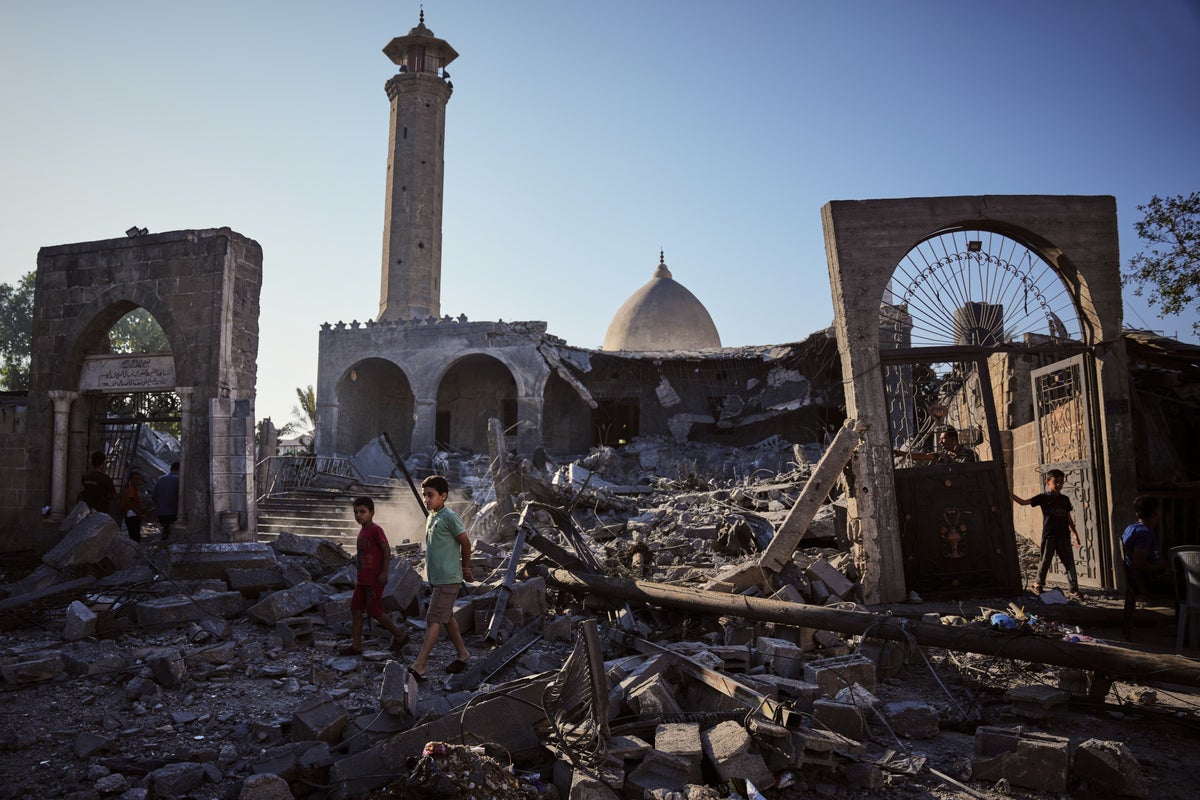
Israel’s military campaign in Gaza has produced an estimated 61 million tonnes of wreckage, according to UN estimates. The debris, which includes collapsed homes, schools, and hospitals, is being systematically removed by heavy machinery and explosives. Despite a ceasefire brokered in October 2025, Israeli forces continue to conduct airstrikes and ground operations, with more than 1,300 Palestinians killed since the truce. The ongoing violence has left the enclave in a state of near-total destruction, with many areas still under Israeli military control.
Turk highlighted that bulldozers are leveling areas where the Israeli military remains deployed, often without any consideration for the bodies that lie beneath the rubble. He described the situation as "heartbreaking" for families who have been waiting for years to know the fate of their missing loved ones.
Evidence of War Crimes
The UN has repeatedly raised concerns about Israel’s use of explosive weapons in densely populated areas. Turk’s latest remarks underscore the risk that evidence of war crimes—such as the systematic targeting of civilians—may be destroyed or concealed during the rubble-clearing process. He noted that the remains recovered so far could represent only the "tip of the iceberg," given that large portions of Gaza have been flattened by bombing or later demolition.
Palestinian Civil Defence reports that more than 630 bodies and human remains have been recovered from beneath destroyed buildings across Gaza since November 2025. Palestinian authorities estimate that over 8,000 people may still be buried in the wreckage. The discovery of extensive remains under rubble in Gaza City has reignited concerns about potential war crimes and the failure to distinguish between civilians and combatants.
Current Humanitarian Impact
In recent weeks, Palestinians in northern Gaza have held funerals for about 100 people, including 60 children, whose remains were recovered from collapsed structures. The ongoing violence has also led to new casualties: a man was killed by sniper fire in the Jabalia refugee camp, and at least two others died in an Israeli drone attack on an industrial area of Gaza City. These incidents illustrate the persistent threat to civilians even after the ceasefire.
Humanitarian organizations are calling for an independent inquiry into the conduct of Israeli forces in Gaza. The United Nations has urged that all evidence of potential war crimes be preserved and investigated, emphasizing the importance of accountability for the protection of human rights.
What Happens Next?
Turk’s statement has prompted calls from international bodies for a thorough investigation into the destruction of evidence and the ongoing use of force in Gaza. The UN is expected to convene a special session to discuss the findings and to recommend actions to protect civilians and preserve evidence. Meanwhile, the Israeli military maintains that its operations are aimed at neutralizing threats posed by armed groups in the region.
As the situation evolves, the international community remains watchful of how the rubble-clearing process unfolds and whether it will allow for a comprehensive assessment of the conflict’s impact on civilian populations.
In the coming months, the UN and other international actors will likely intensify efforts to document and preserve evidence, while advocating for a renewed focus on humanitarian relief and the protection of civilians in Gaza.
Key Takeaways
- UN human rights chief Volker Turk condemns Israeli bulldozers for destroying evidence of war crimes in Gaza.
- Over 61 million tonnes of debris in Gaza could take seven years to clear, with many remains still buried.
- More than 1,300 Palestinians have been killed since the October 2025 ceasefire, indicating ongoing violence.
- Palestinian authorities estimate 8,000 people may still be buried in the rubble.
- International calls for an independent inquiry into Israeli conduct and the preservation of evidence.
These developments highlight the urgent need for accountability and the protection of civilians in conflict zones.
FAQs
- What is the current status of the rubble clearing in Gaza? Israeli bulldozers and heavy machinery are actively removing debris from areas under military control, often without regard for buried remains.
- How many people are believed to be buried in the rubble? Palestinian authorities estimate that more than 8,000 people may still be buried in the wreckage.
- What actions are being taken to investigate potential war crimes? The UN has called for an independent inquiry and urges preservation of evidence, while international bodies are monitoring the situation closely.
- Has the ceasefire been effective? Despite the ceasefire, Israeli forces continue to conduct strikes, resulting in over 1,300 Palestinian deaths since its implementation.
Why it matters
The UN’s condemnation underscores the risk of erasing evidence of potential war crimes, which could hinder accountability and justice for victims in Gaza.
Key points
- UN human rights chief criticizes Israel’s rubble clearing as disrespectful and potentially destructive of war crime evidence
- 61 million tonnes of debris in Gaza could take seven years to clear
- Over 1,300 Palestinians killed since October 2025 ceasefire
- Palestinian authorities estimate 8,000 people still buried in rubble
- International calls for independent inquiry and evidence preservation
Frequently asked questions
What is the current status of the rubble clearing in Gaza?
Israeli bulldozers and heavy machinery are actively removing debris from areas under military control, often without regard for buried remains.
How many people are believed to be buried in the rubble?
Palestinian authorities estimate that more than 8,000 people may still be buried in the wreckage.
What actions are being taken to investigate potential war crimes?
The UN has called for an independent inquiry and urges preservation of evidence, while international bodies are monitoring the situation closely.
Has the ceasefire been effective?
Despite the ceasefire, Israeli forces continue to conduct strikes, resulting in over 1,300 Palestinian deaths since its implementation.