Brief
Iran‑Iran‑linked attacks push oil flow through Strait of Hormuz to historic lows
In the past ten days, unprecedented attacks have slashed oil flows through the strategic waterway to their lowest level since the war began.
By Felo News Desk · Published
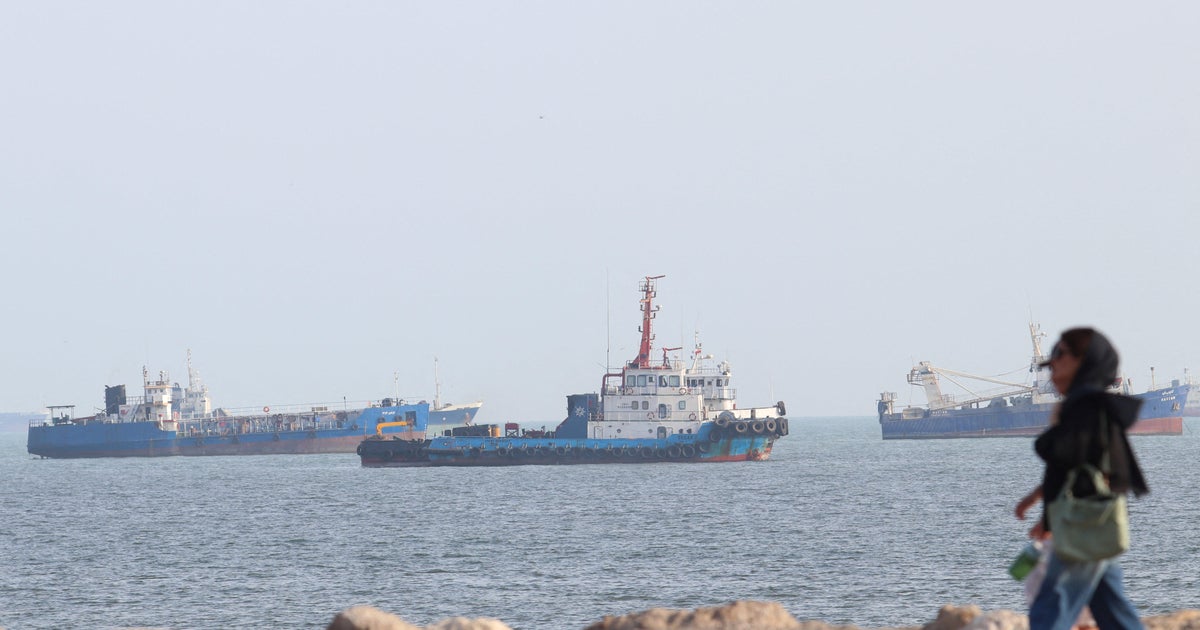
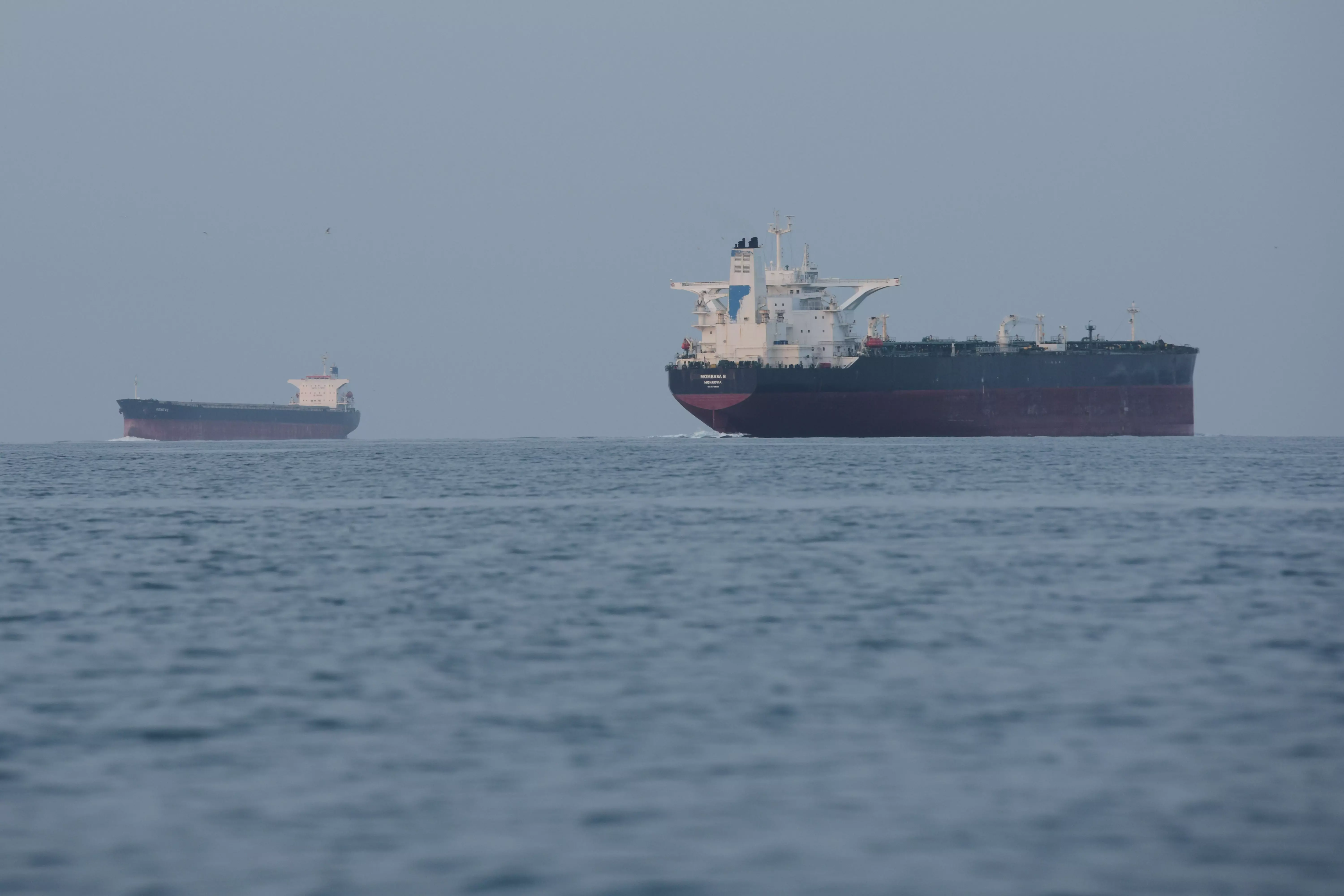
In the ten days after 28 February, when Donald Trump and Benjamin Netanyahu announced a limited incursion into Iran, the Strait of Hormuz has seen an unprecedented surge in drone and missile attacks on oil vessels, according to The Independent.
What happened
Data from tanker‑tracker Kpler show that oil flows out of the region averaged 15.5 million barrels per day last month, but fell to just 2.9 million barrels on 11 October – the lowest figure recorded this month. The Independent notes that the attacks have targeted oil ships repeatedly over the past ten days, creating what it calls the most violent period of the conflict so far.
What the reports add
The article cites a social‑media video from 14 October showing containers floating after a vessel sank near the Omani coast of the strait. It also references a Reuters‑style comment that the price of Brent crude surged from $65‑$70 on 27 February to over $100, briefly reaching $120 after fighting began.
What was said
Dr Neil Quilliam, an energy‑policy specialist at Chatham House, told The Independent: “The fact that oil has settled around $100 per barrel should not be mistaken for stability. Markets have absorbed a degree of unpredictability, but the underlying risks remain significant.” He added that “the return of oil flows should be seen as temporary relief rather than a durable solution, given the extensive military resources required to secure shipping, the large number of vessels involved, and the high insurance and operating costs.”
How it came about
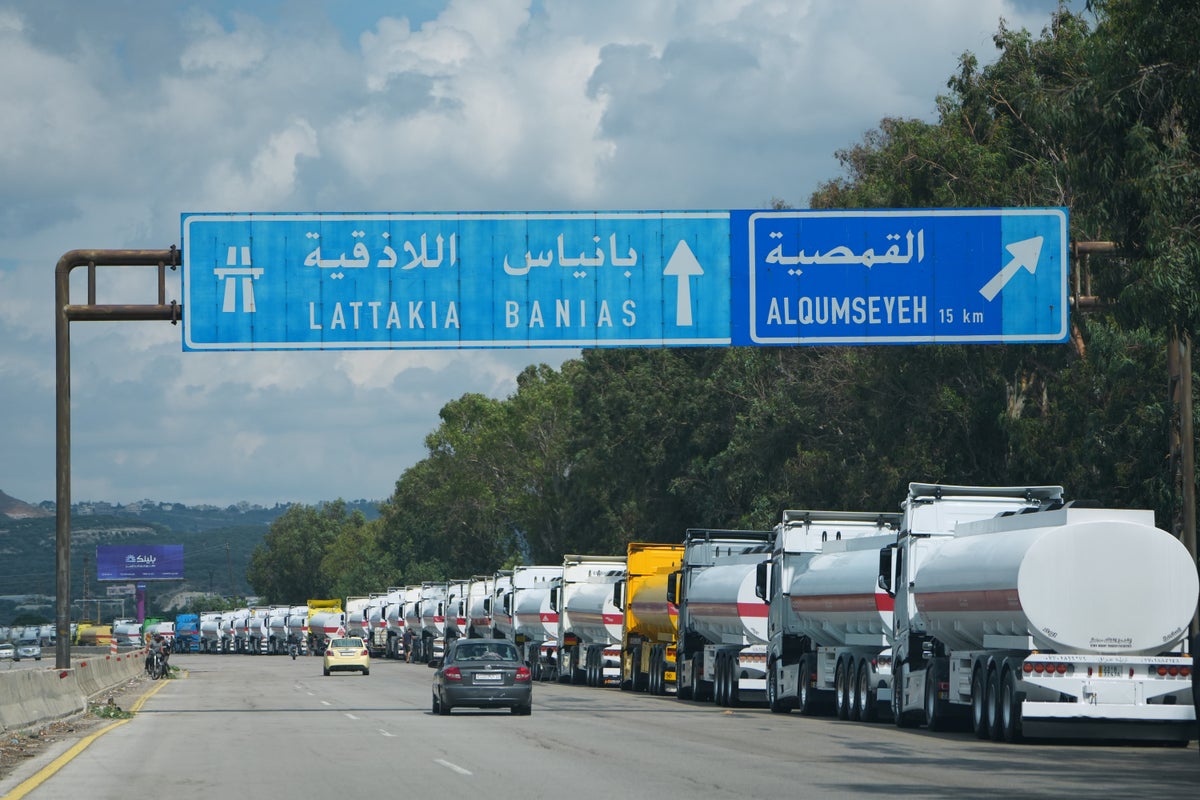
The surge in attacks follows the initial war‑time blockade of the strait by Tehran and a brief lull in July after an interim peace deal collapsed. The Independent links the renewed violence to President Trump’s decision to lift sanctions on Russia to release diesel exports ahead of the U.S. mid‑term elections, a move intended to curb fuel prices but which coincided with the escalation of hostilities.
Key facts
- Oil flows through the Strait of Hormuz fell to 2.9 million barrels per day on 11 October, the lowest level this month. (independent.co.uk)
- Kpler reported an average of 15.5 million barrels per day last month, the highest since the war began. (independent.co.uk)
- Drone and missile attacks on oil ships have increased dramatically over the past ten days. (independent.co.uk)
- Brent crude rose from $65‑$70 on 27 February to over $100, briefly hitting $120 after the conflict started. (independent.co.uk)
- Dr Neil Quilliam warned that oil prices near $100 per barrel do not indicate market stability. (independent.co.uk)
Sources
- [1] independent.co.uk — originally reported as “There is a violent ‘new normal’ in the Strait of Hormuz. Here’s why we should worry”