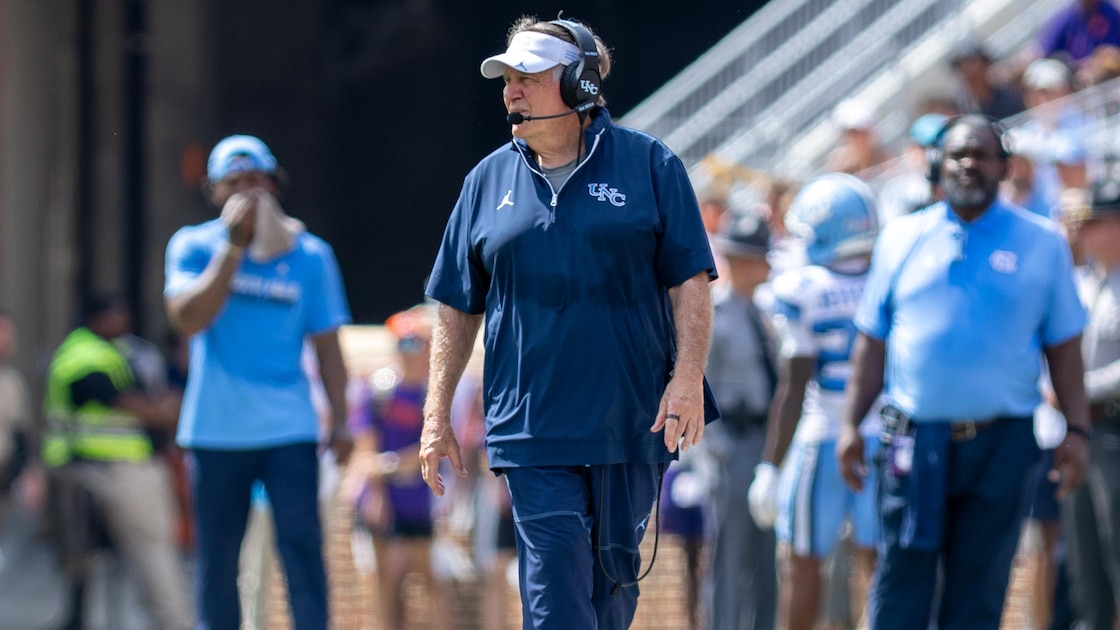
Steve Belichick Resigns as UNC Defensive Coordinator
Steve Belichick, the 39‑year‑old defensive coordinator for the University of North Carolina, announced his resignation effective October 27, following a university investigation into alleged drug use and misconduct. The probe, which also led to the departure of general manager Mike Lombardi, conclu…
By Felo News Desk · Published
In a surprising turn for the Tar Heels, Steve Belichick has confirmed his resignation as the defensive coordinator, effective October 27. The decision comes after a comprehensive investigation by the university into allegations that he may have used or distributed drugs while on the sidelines. The investigation, which began after a complaint surfaced in early August, concluded that certain actions were inconsistent with the university’s values, but were isolated and not indicative of a broader cultural problem within the football program.
Background: A Family Legacy on the Gridiron
Steve Belichick is no stranger to the world of football. He is the son of legendary New England Patriots head coach Bill Belichick, and has spent much of his career working alongside his father in the NFL. Prior to his tenure at North Carolina, Steve served as a defensive assistant for the Patriots, contributing to multiple Super Bowl victories. His move to the Tar Heels in 2021 was seen as a strategic effort to bring a seasoned defensive mind to the university’s program.
The Investigation and Its Findings
The probe was launched after a former player and staff member raised concerns about possible drug use during practice sessions. University officials, along with independent counsel, interviewed players, coaches, and support staff to ascertain the scope of the allegations. While the investigation did not produce conclusive evidence of a widespread problem, it identified a handful of incidents that were deemed contrary to the university’s code of conduct. The findings were presented to the board, which ultimately decided to take corrective action.
Key points from the investigation include:
- Allegations of drug use or distribution by Steve Belichick during team activities.
- Evidence that some actions were isolated and not part of a systemic issue.
- The university’s decision to terminate the investigation after concluding it had gathered sufficient information.
- The resignation of GM Mike Lombardi two weeks prior, following similar scrutiny.
Impact on the Tar Heels Program
Steve’s departure leaves a significant vacancy in the coaching staff at a time when the Tar Heels are preparing for a critical stretch of the season. The defensive coordinator role is pivotal in shaping game plans, developing player talent, and maintaining competitive edge. The university has indicated that an interim coach will be appointed while a permanent replacement is sought.
Beyond the tactical implications, the resignation underscores a broader effort by the university to restore trust and uphold its reputation. The administration has reiterated its commitment to fostering a safe and respectful environment for athletes, staff, and the broader community.
Next Steps and Unresolved Questions
As the university moves forward, several questions remain unanswered:
- What specific actions led to the university’s decision to deem them “disregard for values”?
- Will the university conduct a new review of its policies regarding substance use and staff conduct?
- How will the coaching staff restructure to fill the gaps left by Steve and Mike Lombardi?
- What measures are being implemented to prevent similar incidents in the future?
The Tar Heels’ coaching staff and players will likely undergo a period of transition as the university seeks to stabilize the program and reinforce its commitment to integrity and excellence.
As this story develops, fans and stakeholders are advised to stay tuned for official statements from the university and the coaching staff. The outcome of this investigation may influence hiring practices and policy reforms across collegiate athletics.
In the meantime, the Tar Heels will continue to focus on their upcoming games, with the hope that the team can maintain its competitive momentum despite the upheaval.
For now, the resignation marks a significant moment in the Tar Heels’ history, reflecting both the challenges of maintaining a high-performance culture and the importance of accountability at all levels of collegiate sports.
Key facts
- Steve Belichick resigns as UNC defensive coordinator after drug probe
- Investigation found isolated misconduct, not systemic failure
- GM Mike Lombardi also resigned amid similar concerns
- UNC is appointing interim coach while searching for replacement
- University emphasizes commitment to safe, respectful environment
Why it matters
The resignation highlights the growing scrutiny of coaching conduct in college sports and underscores the importance of maintaining a culture of integrity within athletic programs.
Frequently asked questions
What caused Steve Belichick to resign?
An investigation into alleged drug use and misconduct concluded that certain actions were inconsistent with UNC’s values, leading to his resignation.
Did the investigation find a widespread problem?
No, the probe determined that the incidents were isolated and not indicative of systemic failure.
Who will replace Steve Belichick?
UNC has not yet named a permanent replacement; an interim coach will be appointed while the search continues.
Sources
- [1] nypost.com — originally reported as “Steve Belichick resigning as UNC defensive coordinator after drug probe”