Brief
October’s Night Sky Offers Planetary Occultation and Meteor Showers
NASA highlights four October events, including Jupiter slipping behind the Moon and two meteor showers.
By Felo News Desk · Published
October’s night sky will feature several notable astronomical events, according to ScienceDaily. On October 6, Jupiter will be hidden behind the Moon in a lunar occultation visible from parts of eastern and central North America. The Draconid meteor shower peaks on the night of October 8‑9, and the Orionid shower reaches its maximum on October 21, while a bright full Moon rises in time for Halloween.
The Jupiter occultation occurs before sunrise on October 6, with the planet disappearing behind the Moon’s crescent for roughly an hour. The phenomenon is visible to the naked eye, though binoculars can reveal more detail, including the temporary loss of some of Jupiter’s moons. Timing varies by location, with early‑morning observers in the Eastern Time zone seeing the event around 4 a.m. EDT.
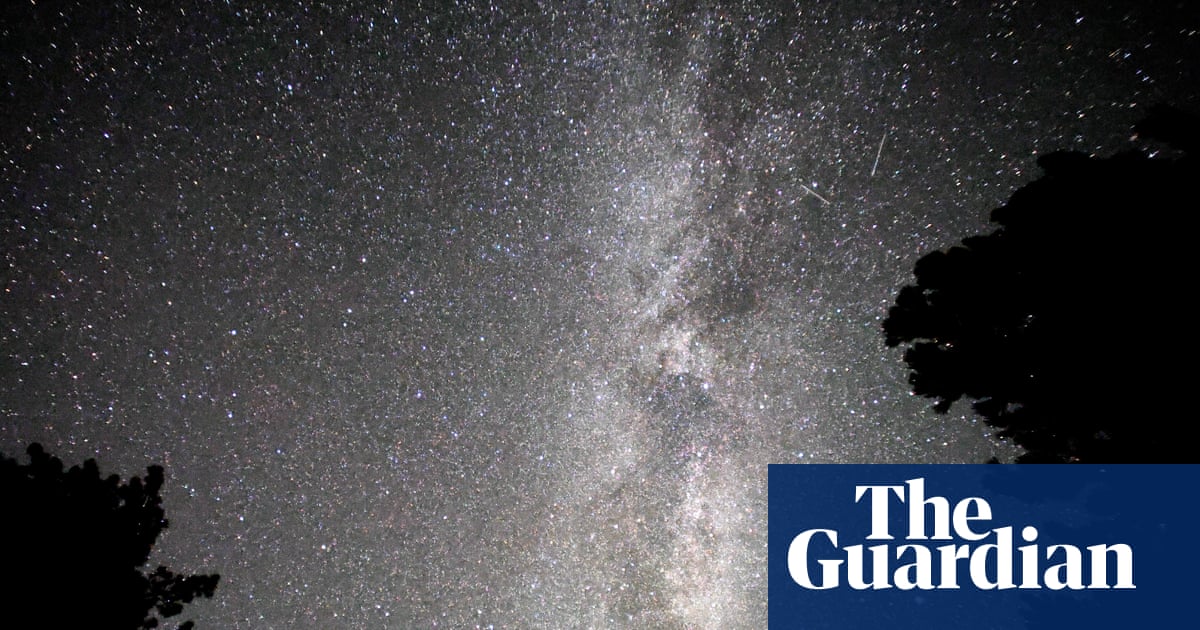
The Draconid meteor shower, named for the Draco constellation, peaks around 9 p.m. EDT on October 8 and continues into the early hours of October 9. Because the Moon will be near its new phase, the sky will be dark enough to see even faint meteors. The shower typically produces only a handful of meteors per hour, so observers are advised to find a dark site away from city lights and let their eyes adjust.
The Orionid shower, sourced from debris left by Halley’s Comet, reaches its annual peak on October 21. Like the Draconids, the Orionids are best seen after dark, with the Moon’s illumination again low enough to enhance visibility. Both showers offer casual skywatchers a chance to see shooting stars without staying up until dawn.
In addition to these events, a bright full Moon will rise in the early evening of October 31, providing a striking backdrop for Halloween night. All four events are highlighted by NASA as the month’s most watchable celestial occurrences.
Key facts
- Jupiter will be occulted by the Moon on October 6, visible from eastern and central North America. (sciencedaily.com)
- The Draconid meteor shower peaks on the night of October 8‑9, with optimal viewing after 9 p.m. EDT. (sciencedaily.com)
- The Orionid meteor shower reaches its peak on October 21, originating from Halley's Comet debris. (sciencedaily.com)
- A bright full Moon will rise in early evening on October 31, coinciding with Halloween. (sciencedaily.com)
Sources
- [1] sciencedaily.com — originally reported as “October’s night sky is full of cosmic tricks and treats”