Nigeria confirms first Ebola case in diplomat, Bundibugyo strain linked to DRC outbreak
The patient, a female diplomat who travelled from Uganda, tested positive for the Bundibugyo strain, prompting an emergency meeting and regional alerts.
By Felo News Desk · Published
Nigeria has confirmed its first Ebola case in a female diplomat who arrived in Abuja from Uganda, the Nigeria Centre for Disease Control and Prevention (NCDC) said on Wednesday.
What happened
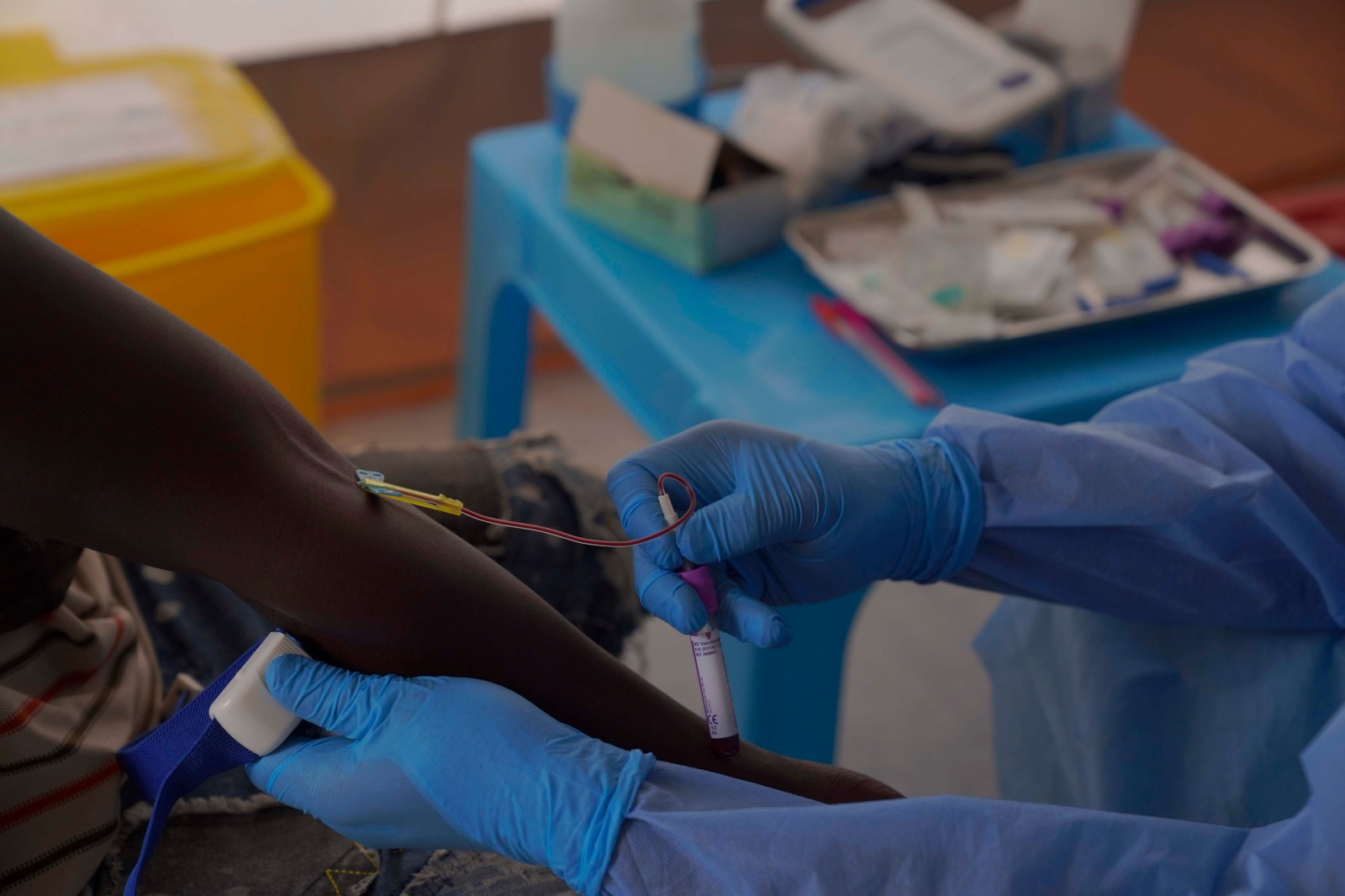
The patient entered Nigeria on 3 October after travelling from Uganda via Addis Ababa, Ethiopia, to the capital Abuja. Molecular testing by the NCDC’s public health laboratory identified the virus as the Bundibugyo strain, which is also driving the outbreak in the Democratic Republic of Congo (DRC). The World Health Organization (WHO) corroborated the strain identification. The diplomat’s condition has deteriorated to multi‑organ failure, according to a senior NCDC official.
What the reports add
- Gulf News noted that the NCDC performed three levels of molecular tests and that WHO confirmed there is no approved vaccine or specific treatment for this strain.
- The Telegraph reported that the case follows a recent cluster in Kenya and that Africa CDC director‑general Dr Jean Kaseya warned the outbreak now spans three African regions, describing it as “the most geographically widespread Ebola outbreak in history.”
- The Federal Ministry of Health said the diplomat arrived on 5 October, fell ill two days later, sought care on 11 October, was tested on 19 October and a positive result was confirmed on 20 October.
- Authorities have identified 44 contacts, most of them health‑care workers, including the patient’s husband, a Swiss national living in Abuja.
- Uganda, which declared itself Ebola‑free in July, denied that the case originated there, stating the woman had previously been in the DRC.
- WHO said infection‑prevention and control measures were being “ramped up” at the private hospital where the patient was treated.
What was said
“We did three levels of tests, but all molecular. The strain was Bundibugyo,” Olajumoke Babatunde, director of the public health laboratory service at the NCDC, told Gulf News.
“This person is actually a diplomat,” an unnamed official said to Gulf News, noting the patient’s deterioration into multi‑organ failure.
“Ebola is now affecting three regions of Africa,” Dr Jean Kaseya said to the Telegraph, urging urgent political leadership.
“My appeal to the international community is urgent: ACT NOW,” Kaseya added, describing the situation as an “extremely serious threat.”
“Nigerian governments have always been equal to the task. We contained Ebola, we contained coronavirus and the few cases we have now,” civil servant Anthony Ojogho said, as quoted by Gulf News.
How it came about
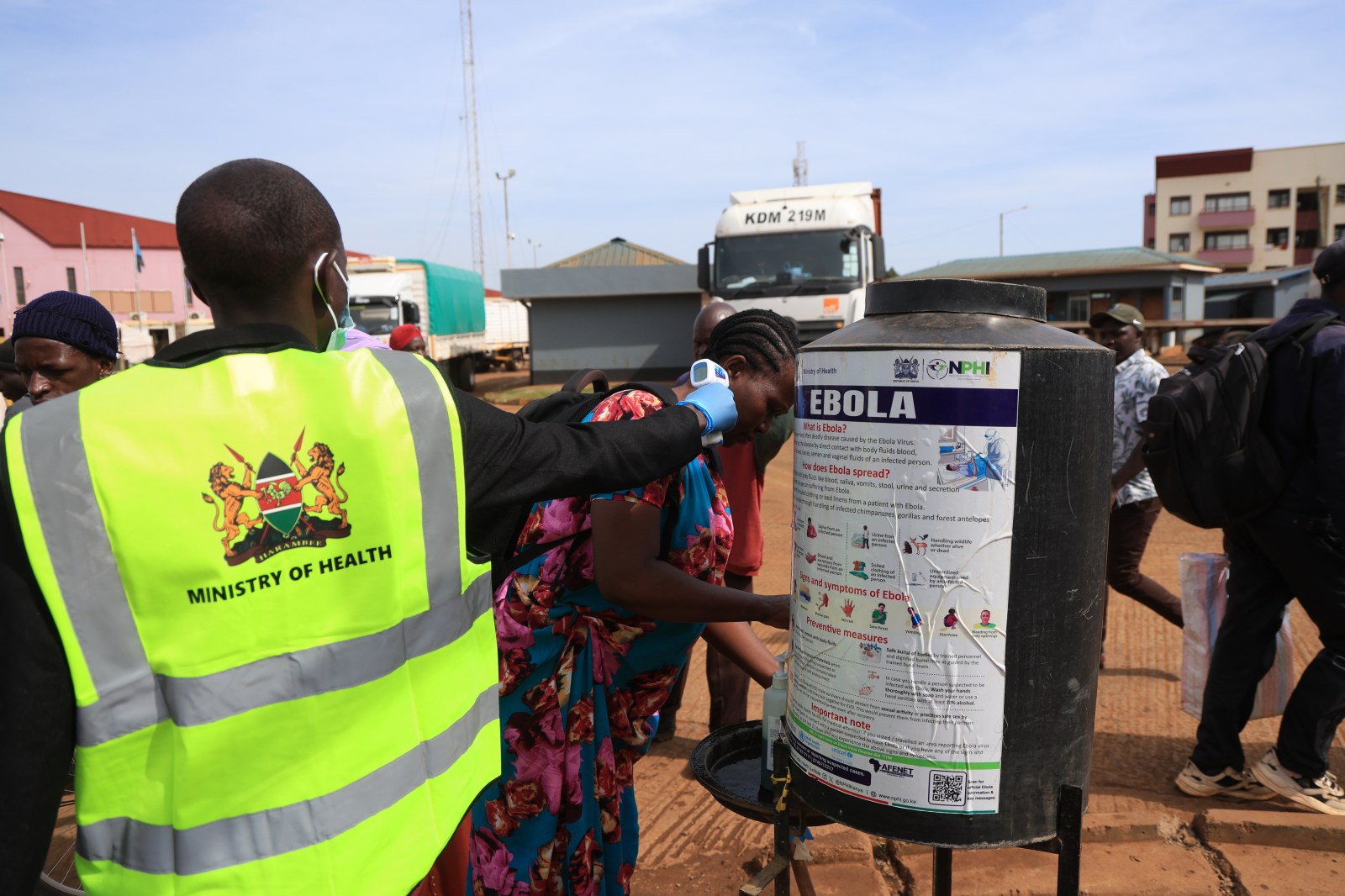
The Bundibugyo strain has been circulating in eastern DRC since a mid‑May outbreak that has claimed thousands of lives. Earlier this month, Kenya recorded its ninth Ebola case, all linked to the DRC source, and the continent’s health agencies have been conducting contact‑tracing across borders. Felo News previously covered the spread of the outbreak in eastern DRC and Kenya’s rising case numbers (ebola-outbreak-eastern-drc-kenya-imported-case, kenya-ebola-cases-eighth). The Nigerian case underscores the regional risk of cross‑border transmission.
Key facts
- Nigeria's first Ebola case was confirmed in a female diplomat who arrived in Abuja on 3 October. (gulfnews.com)
- Molecular testing identified the virus as the Bundibugyo strain, the same strain driving the DRC outbreak. (gulfnews.com)
- The World Health Organization confirmed the strain and noted there is no approved vaccine or specific treatment. (gulfnews.com)
- Dr Jean Kaseya said the outbreak now affects three African regions. (telegraph.co.uk)
- The diplomat’s condition has progressed to multi‑organ failure. (gulfnews.com)
Timeline
- 2026-05-15 — Ebola outbreak declared in eastern DRC.
- 2026-10-05 — Kenya records its first imported Bundibugyo death.
- 2026-10-03 — Nigeria confirms first Ebola case in a diplomat.
Why it matters
The case highlights the risk of cross‑border spread of the Bundibugyo strain and may prompt tighter screening and coordination among African health authorities.
What happens next
African health ministries are convening an online summit next week to discuss coordinated response measures.
Sources
- [1] gulfnews.com
- [2] telegraph.co.uk