Brief
Middle East oil flow rebounds to 92% of pre‑war levels, BBC reports
Data from Kpler shows oil shipments from the region have almost returned to pre‑war volumes despite ongoing Iranian attacks.
By Felo News Desk · Published
According to BBC Verify, daily oil flow from the Middle East reached 92% of its pre‑war baseline in the final week of September, seven months after the US‑Israel war with Iran effectively closed the Strait of Hormuz.
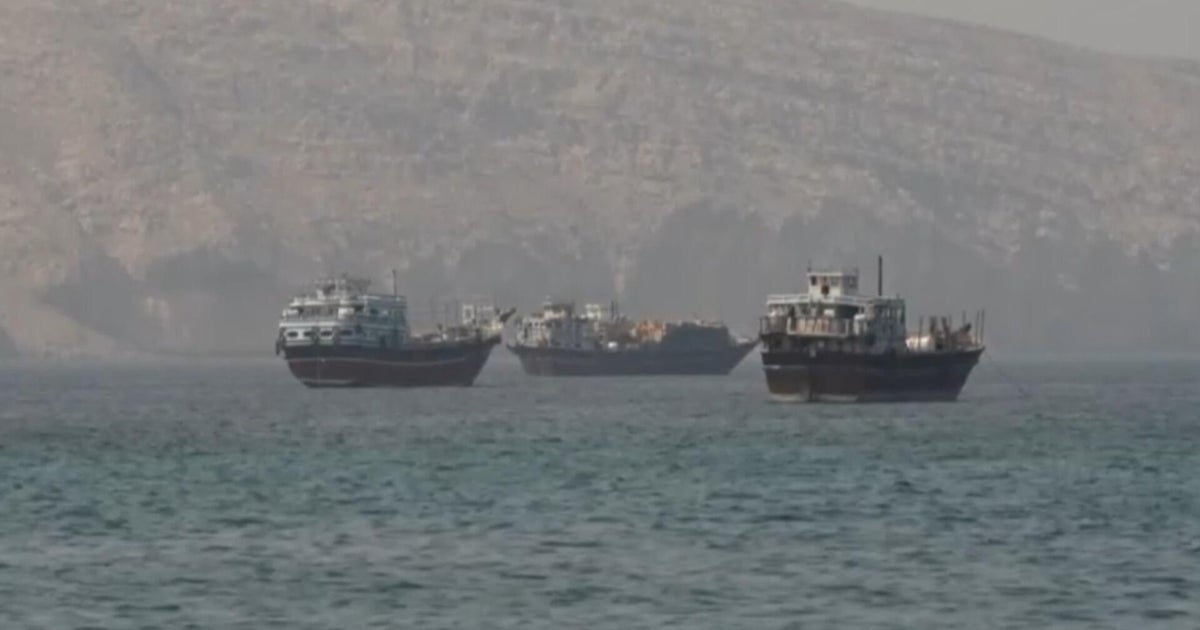
Kpler data indicate that about 40% of the region’s September oil exports bypassed the strait, moving through overland pipelines to Red Sea and Gulf of Oman ports – up from 17% before the conflict. The remaining volume largely travelled via a "shuttle" system of more than 60 large tankers that transfer crude to other vessels in the Gulf of Oman. Satellite imagery analysed by BBC Verify showed six pairs of ships docked near the Omani port of Sohar on 24 September, with an average of over four million barrels per day transferred in the week to 30 September.
The United States has increased naval assistance to commercial vessels since mid‑June. US Navy data show a one‑third rise in the number of ships receiving US support in September compared with August. Martin Kelly, senior intelligence analyst at EOS Risk Group, told BBC Verify that the assistance mainly consists of "air support to ships", including warnings and interceptions of drones, missiles or hostile boats.
Despite the higher flow, September recorded the most successful Iranian attacks on commercial shipping since March, according to the Armed Conflict Location and Event Data (ACLED) monitor. Naveen Das, senior oil analyst at Kpler, warned that the market “doesn’t trust that we’re going to stay in this status quo” because of the risk of further Iranian escalation and the potential impact of the upcoming US mid‑term elections.
Oil exports from Iran have effectively stopped after a US naval blockade was reimposed in July. Overall, an average of 12 million barrels per day passed through the Hormuz corridor in the week to 30 September, compared with a pre‑war baseline of 17 million barrels per day.
Key facts
- Daily oil flow from the Middle East reached 92% of pre‑war levels in the last week of September. (bbc.co.uk)
- Around 40% of September oil exports bypassed the Strait of Hormuz via pipelines, up from 17% before the war. (bbc.co.uk)
- US naval assistance to commercial ships increased by one‑third in September compared with August. (bbc.co.uk)
- Ship‑to‑ship transfers off Oman moved over four million barrels per day in the week to 30 September. (bbc.co.uk)
- Iranian attacks on commercial shipping peaked in September, the highest since March. (bbc.co.uk)
Sources
- [1] bbc.co.uk — originally reported as “Three reasons Middle East oil is nearly back to pre-Iran war levels”