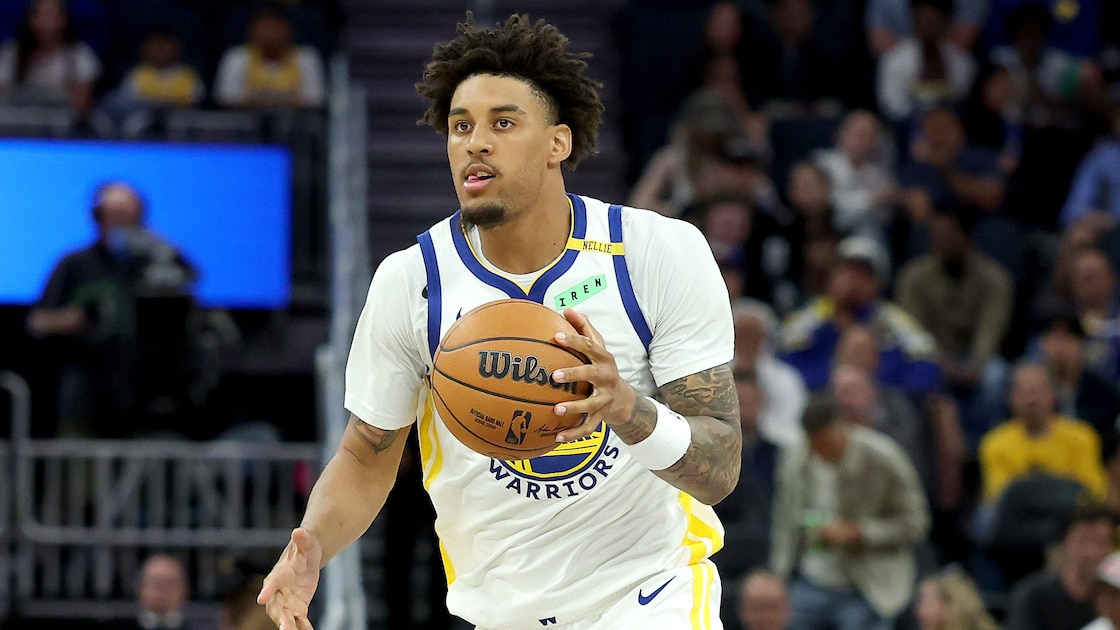
Liam Ohgren Eyes Gabriel Landeskog‑Style Power Forward
Liam Ohgren, the 22‑year‑old Canucks left‑winger, has publicly declared his admiration for Gabriel Landeskog and his desire to model his game after the former Avalanche captain. The article explores Ohgren’s background, his development in Sweden and the NHL, his training focus, and the role he hope…
By Felo News Desk · Published
On the night of a 2‑1 victory over the New Jersey Devils, Liam Ohgren showcased the kind of physical presence the Vancouver Canucks have long sought on the left wing. After a decisive play that helped the Canucks hold off a determined defenseman, the young winger was asked by reporters what player he most admired to emulate. Ohgren’s answer was straightforward: Swedish star Gabriel Landeskog.
Who is Gabriel Landeskog?
Landeskog, the long‑time captain of the Colorado Avalanche, is a rare blend of power, skill and leadership. He has earned the Calder Trophy, a Stanley Cup, the Bill Masterton Memorial Trophy and the Mark Messier Leadership Award. Over his career he has surpassed the 20‑goal mark five times and hit 30 goals twice, all while playing a two‑way game that earns him respect across the league. At 33, Landeskog’s durability and willingness to fight for every puck make him a model for young forwards.
Ohgren’s Path to the NHL
Born in Stockholm, Ohgren first made headlines in Sweden’s junior leagues, putting up 58 points in 30 games during the 2021‑22 season. He then faced tougher competition in the Swedish Hockey League, scoring 12 goals in 26 games with Färjestad BK. Drafted by the Minnesota Wild in 2022, Ohgren spent time oscillating between the Wild’s AHL affiliate and the NHL roster before being traded to the Canucks in a blockbuster deal that also sent defenseman Quinn Hughes to Minnesota.
In Vancouver, Ohgren has been working hard to translate his junior success into a consistent NHL role. He has posted 18 points (8 goals, 10 assists) in 51 games during his first season with the Canucks, a modest return that belies the effort he’s put into his training regimen.
Training Focus and Physical Development
“I’ve added a lot of power to my workouts and a lot of sprints,” Ohgren told reporters during the off‑season. He emphasized that the combination of strength and speed is essential for a power forward who can win board battles and finish in front of the net. The 6‑foot‑2, 200‑pound winger also highlighted his confidence growing as he settled into the Canucks’ system.
Ohgren’s training is not just about size; it’s about being a complete player. He said he wants to be “offensive and scoring goals” while also being reliable in his own zone. This dual focus mirrors Landeskog’s approach, who has always been praised for his two‑way game.
The Lineup Potential
With the arrival of Ohgren, the Canucks are looking to build a second‑line power forward unit. He is expected to play alongside Marco Rossi and Brock Boeser, creating a line that could produce significant offense and physicality. Rossi, healthy and eager to step into a larger role, and Boeser, a veteran with leadership experience, could provide the balance needed for Ohgren to thrive.
During a recent scrimmage in Penticton, Ohgren showcased his potential with two quick wrist‑shot goals, hinting at the offensive spark he could bring to the team. The coaching staff has noted his willingness to take on a hard‑hitting role while maintaining offensive production.
Challenges and Opportunities
Despite his promise, Ohgren faces the challenge of carving out a niche in a top‑six lineup. The Canucks have a history of power forwards like Markus Naslund and Daniel Sedin, but the modern game demands a player who can combine size, speed and skill. Ohgren’s journey from the AHL to the NHL, and his recent trade to Vancouver, underscore the perseverance required to succeed.
He also has a supportive relationship with former teammate Marco Rossi, who has helped him navigate the ups and downs of professional hockey. Their shared experience in Minnesota and the AHL has fostered a bond that could translate into on‑ice chemistry.
What’s Next for Ohgren?
As the new season approaches, Ohgren is focused on proving his worth and securing a permanent spot on the Canucks’ top lines. He expressed excitement for the upcoming campaign and a commitment to “give everything” to earn his role. The coaching staff will monitor his progress in training camp and early games to determine where he best fits within the team’s structure.
Should Ohgren succeed in emulating Landeskog’s blend of power and skill, he could become a cornerstone of the Canucks’ future, providing the team with a reliable, physical forward who can also contribute offensively.
Key facts
- Ohgren admires Gabriel Landeskog and aims to emulate his power‑forward style
- He was drafted by Minnesota, traded to Vancouver in a blockbuster deal
- Training focuses on strength, speed, and two‑way play
- Expected to line up with Marco Rossi and Brock Boeser for a potent second line
- Challenges include carving out a top‑six role in a competitive lineup
Why it matters
Ohgren’s pursuit of a Landeskog‑style power forward role signals a strategic shift for the Canucks, potentially redefining their offensive and defensive balance on the left wing.
Frequently asked questions
What is Liam Ohgren’s current role with the Canucks?
He is a left‑winger expected to play on the second line with Marco Rossi and Brock Boeser.
Why does Ohgren want to emulate Gabriel Landeskog?
He admires Landeskog’s blend of strength, speed, scoring, and leadership, which he sees as the ideal model for a modern power forward.
How has Ohgren performed in his first NHL season?
He recorded 18 points (8 goals, 10 assists) in 51 games.
What training changes has Ohgren made?
He has increased power training and sprint work to enhance his physicality and speed.
Sources
- [1] theprovince.com — originally reported as “Canucks: Liam Ohgren aiming high to become Gabriel Landeskog clone”