Brief
Former President Joseph Kabila joins new rebel coalition in eastern DRC
Kabila's move creates the Front for the Refoundation of the Nation, merging M23 and AFC forces and sparking fresh fears among Goma residents.
By Felo News Desk · Published
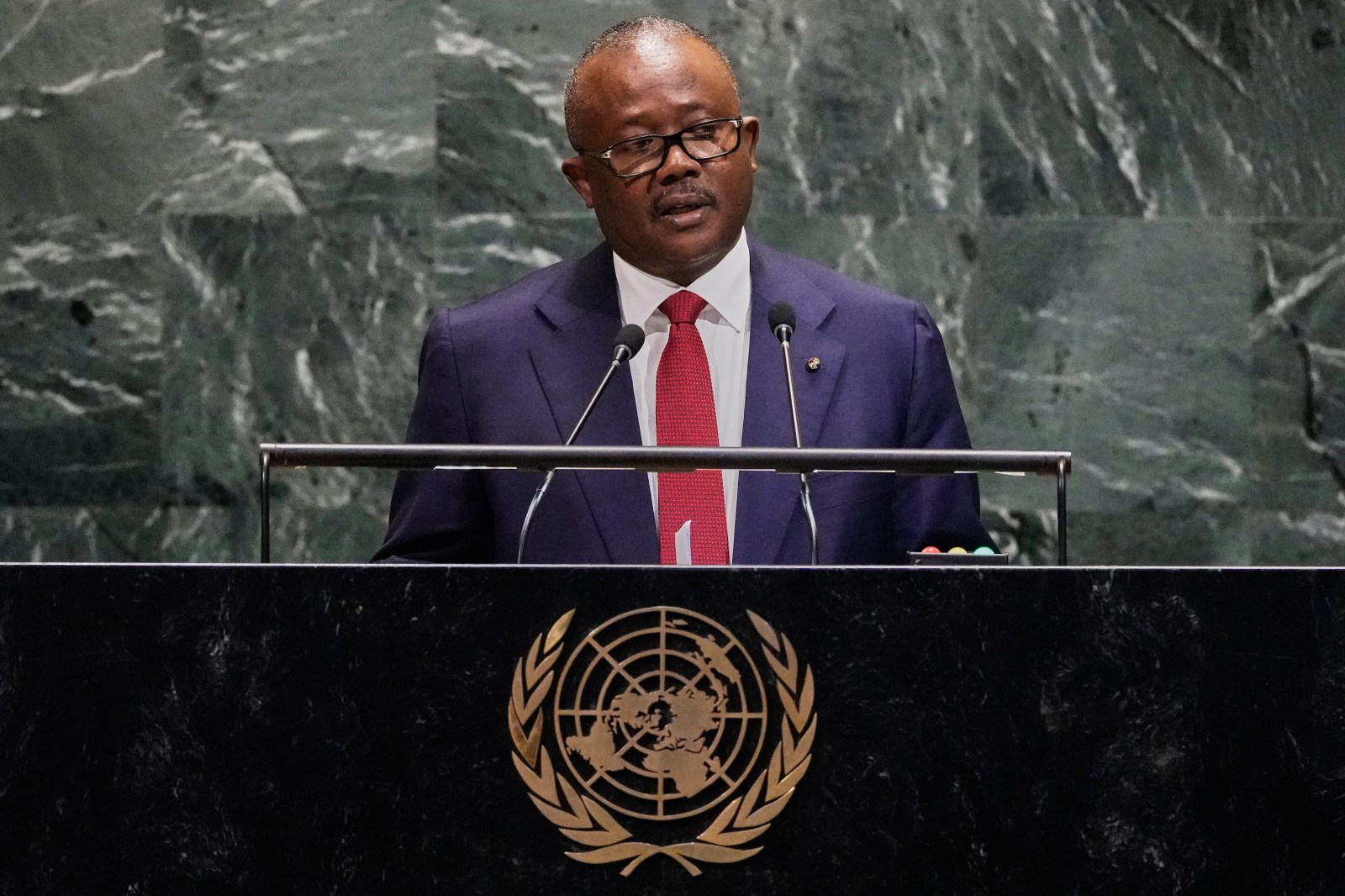
Former DRC President Joseph Kabila announced on Monday evening in Goma that he will lead a new political‑military coalition, the Front pour la Refondation de la Nation (FRN), which unites forces from the Alliance Fleuve Congo (AFC) and the March 23 Movement (M23). The coalition replaces the previous AFC‑M23 alliance and directly challenges President Felix Tshisekedi.
What happened
Kabila’s declaration came in Goma, the main city of North Kivu province that has been under M23‑AFC control since January 2025. The FRN claims to oppose what it calls "tyranny" by Tshisekedi and says it will resist by all means, including force. The announcement follows years of conflict that have displaced millions and involved regional rivals, notably Rwanda, which the Congolese government accuses of backing M23, a claim Kigali denies.
What the reports add
Al Jazeera notes that Kabila’s involvement marks the first time a former head of state has taken a leadership role within an armed rebellion in the DRC. The outlet also records resident Basa Juhudi’s reaction, expressing fear that the war will be prolonged and concern for the country’s democratic future after the peaceful transfer of power in 2019.
What was said
"As a resident of Goma, I believed the war might end in the very near future, hoping that the Congolese government would liberate us. And we are greatly surprised that even our former president has joined the fray," Basa Juhudi told Al Jazeera.
Juhudi added, "The fact that Joseph Kabila has joined the rebellion, bearing in mind that he is our former president and knows this country inside out, means the war is far from over. I am not happy about this frightening situation." He also said, "Today, I am very afraid. I don’t know if I will be lucky enough to experience a proper democracy in the DRC. I was delighted by the country’s very first peaceful transfer of power."
How it came about
Kabila first assumed the presidency in 2001 after the death of his predecessor. He remained in power until the 2019 election that saw Felix Tshisekedi succeed him in the DRC’s first peaceful transfer of power. The ongoing conflict in eastern Congo traces its roots to regional rivalries and the aftermath of the 1994 Rwandan genocide, with the M23 movement emerging in 2012 and later aligning with the AFC. The new FRN coalition reflects a reshuffling of rebel alliances amid stalled peace talks, including the recent African Union meeting in Kigali on Oct. 6 that sought to advance the Washington Peace Agreement.
Key facts
- Joseph Kabila announced he will lead the Front for the Refoundation of the Nation (FRN) in Goma. (aljazeera.com)
- The FRN merges forces from the Alliance Fleuve Congo (AFC) and the March 23 Movement (M23). (aljazeera.com)
- Goma has been under M23‑AFC control since January 2025. (aljazeera.com)
- Resident Basa Juhudi expressed fear that Kabila’s involvement will extend the war. (aljazeera.com)
- Kabila first came to power in 2001 and left after the 2019 peaceful transfer to Tshisekedi. (aljazeera.com)
Timeline
- 2001-09-06 — Joseph Kabila becomes president of the DRC after the death of his predecessor.
- 2019-01-24 — Felix Tshisekedi succeeds Kabila in the DRC's first peaceful transfer of power.
- 2025-01-01 — M23‑AFC coalition takes control of Goma.
Sources
- [1] aljazeera.com — originally reported as “Fears grow in DRC as former President Joseph Kabila joins rebellion”