Israel’s election deadlock deepens as record turnout yields near‑even blocs
Exit polls on Tuesday gave the Netanyahu and Eisenkot blocs roughly equal seats, leaving coalition talks uncertain.
By Felo News Desk · Published
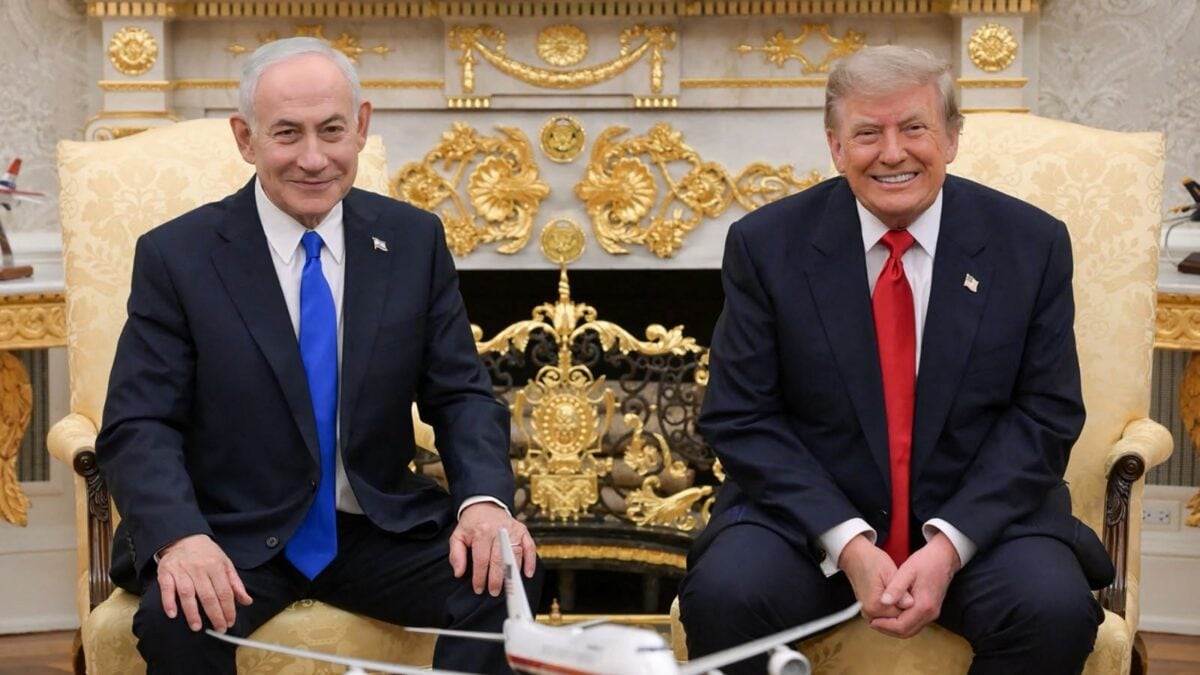
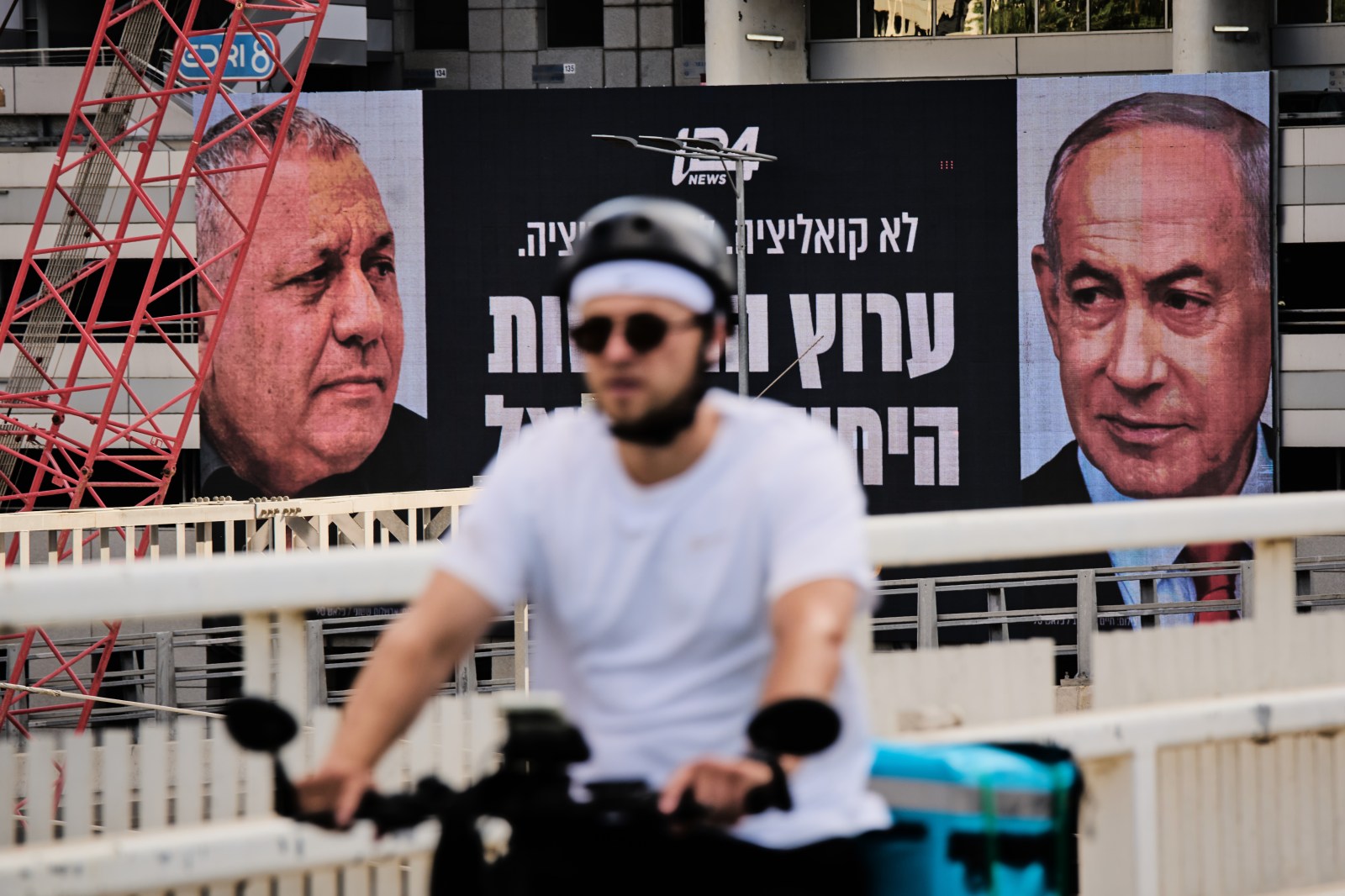
Israel’s legislative election on Tuesday produced the highest voter turnout in two decades, with exit polls showing the blocs of Prime Minister Benjamin Netanyahu and rival Gadi Eisenkot locked in a near‑even split, according to Gulf News and France 24.
What happened
Turnout was reported at 77.7% by Israel’s Central Elections Committee, a figure cited by France 24. Exit polls from the three mainstream Israeli television networks indicated that the two leading blocs each secured about half of the 120‑seat Knesset, but fell short of the 61 seats needed to form a government. Gulf News noted that the initial exit polls gave each bloc around 51 seats, while France 24 reported Eisenkot’s bloc at 52 seats and Netanyahu’s at 50.
Both outlets said Arab‑list parties were projected to win between 17 and 18 seats, accounting for the remaining seats in the Knesset.
What the reports add
Gulf News highlighted that President Isaac Herzog will name a candidate most likely to assemble a coalition, and that Arab parties such as Raam have expressed openness to working with Eisenkot. France 24 added that Eisenkot’s Yashar party has ruled out forming a government with Arab parties, complicating his path despite the slight edge in the exit polls. France 24 also mentioned that some pro‑Netanyahu media, like Channel 14, projected a much stronger showing for Netanyahu’s camp, estimating 60 seats.
What was said
Benjamin Netanyahu was photographed waving to supporters at an election‑night rally in Jerusalem, as described by Gulf News. No direct quotations were provided in the two sources.
How it came about
The election follows a campaign framed around the Oct 7, 2023 Hamas attack, a theme noted in Felo’s earlier coverage (Israel’s Oct 27 Election Faces Four Possible Outcomes, Analysts Say). Analysts had previously outlined four post‑election scenarios, including a fragile coalition or an Arab‑backed government. Earlier Felo articles also reported on former army chief Gadi Eisenkot’s opposition bloc and Donald Trump’s endorsement of Netanyahu (Trump backs Netanyahu again ahead of Israel's Oct 27 election), underscoring the high‑stakes political environment surrounding the vote.
Key facts
- Turnout was 77.7%, the highest in over 20 years. (france24.com)
- Exit polls gave Netanyahu’s bloc about 51 seats and Eisenkot’s bloc about 51‑52 seats. (gulfnews.com)
- Arab parties were projected to win 17‑18 seats. (gulfnews.com)
- President Isaac Herzog will task a candidate with forming a coalition. (gulfnews.com)
Where accounts differ
- Exact seat counts for the two blocs: around 51 seats each (gulfnews.com); Eisenkot 52 seats, Netanyahu 50 seats (france24.com)
- Eisenkot’s stance on Arab parties: Arab parties have voiced openness to working with Eisenkot (gulfnews.com); Eisenkot has ruled out forming a government with Arab parties (france24.com)
Sources
- [1] gulfnews.com
- [2] france24.com