Brief
Netanyahu and Eisenkot face voters as Israel prepares for Oct. 27 election
Polls show Netanyahu’s bloc trailing Eisenkot’s, while both leaders cite the Oct 7 attacks in campaign rhetoric.
By Felo News Desk · Published
Israelis will go to the polls on Oct. 27, the first national election since the Oct. 7 Hamas attacks and the ensuing Gaza war, according to the Independent. The article outlines the key figures and the political landscape as the country heads toward a tightly contested vote.
Benjamin Netanyahu, Israel’s longest‑serving prime minister, has led the country through the Oct. 7 assault, the Gaza conflict, a ground incursion into Lebanon, strikes on Syria and ongoing tensions with Iran. He entered the race with 19 years of cumulative premiership since first taking office in 1996. Netanyahu faces a long‑running corruption trial stemming from a 2019 indictment on bribery, fraud and breach of trust charges, which he has described as a “witch hunt.” He also contends with an International Criminal Court arrest warrant for alleged war crimes and criticism over settlement expansion in the West Bank.
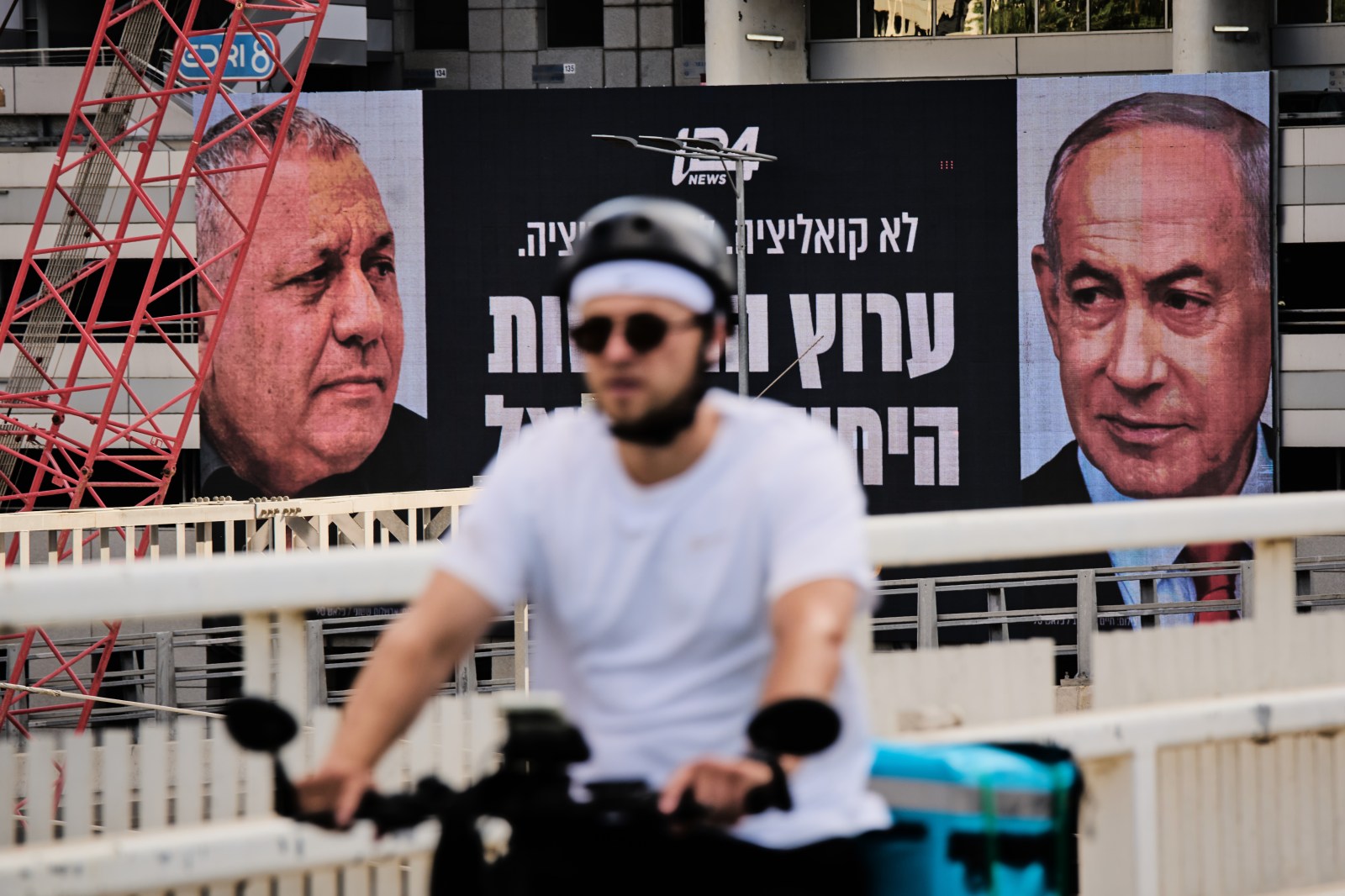
Gadi Eisenkot, a former military chief and leader of the newly formed Yashar party, emerged as Netanyahu’s main challenger. Eisenkot’s party was created only last year and positions itself as a fresh alternative to the entrenched Likud‑led coalition. A recent poll cited by the Independent suggests Eisenkot’s bloc would win 52 seats in the 120‑member Knesset, compared with 50 for Netanyahu’s religious‑nationalist bloc, though no party has ever secured an outright majority.
The Independent notes that an opinion poll of about 4,000 voters this month projected Likud at 19 seats, down from its current 32, while Eisenkot’s Yashar could capture 20 seats. The Haredi bloc, which includes Likud and its partner Shas, might collectively hold 52‑54 seats, still short of the 61 needed for a governing majority.
Public sentiment appears to be shifting. Sigal Manzuri, a US‑Israeli activist who lost two daughters in the Oct. 7 Supernova music festival attack, told the outlet that many Israelis see the election as a chance for healing and new leadership. "We need a new leadership really caring about their people and to try to start a healing process here," she said.
With coalition building likely to be complex, both candidates are framing their campaigns around the Oct. 7 attacks, using security credentials to appeal to voters. The election outcome will determine whether Netanyahu can retain power amid legal and security pressures or whether Eisenkot can capitalize on calls for change.
Key facts
- Israel's national election is scheduled for Oct. 27, 2026. (independent.co.uk)
- Benjamin Netanyahu has served a total of 19 years as prime minister since 1996. (independent.co.uk)
- Gadi Eisenkot leads the Yashar party, founded in 2025. (independent.co.uk)
- A poll cited by the Independent shows Netanyahu's bloc at 50 seats and Eisenkot's at 52. (independent.co.uk)
- Netanyahu faces a corruption trial with charges of bribery, fraud and breach of trust. (independent.co.uk)
Sources
- [1] independent.co.uk — originally reported as “Key players in Israeli election as Benjamin Netanyahu fights for his political life”