Brief
New South African fossils push Homo erectus back 200,000 years
The adult specimen DNH 127 dates to about 2 million years ago, predating the previously oldest Homo erectus finds.
By Felo News Desk · Published
Archaeologists from La Trobe University have described 18 newly published hominin fossils from South Africa’s Drimolen Main Quarry, including an adult Homo erectus skull fragment that dates to roughly 2 million years ago, about 200,000 years older than earlier estimates.
What happened
The Drimolen quarry, discovered in 1992 and excavated through 2019, yielded a collection of fossils that had not been formally described until now. Researchers assigned the remains to Homo erectus and Paranthropus robustus. The adult Homo erectus specimen, catalogued as DNH 127, is the first known adult fossil of the species from the site and is dated to about 2 million years ago. By contrast, the previously known Homo erectus fossils from Dmanisi in Georgia date to about 1.8 million years ago.
What the reports add
The ScienceDaily release notes that the new fossils also show evolutionary changes in P. robustus between 2 million and 1.8 million years ago, such as larger teeth and stronger chewing muscles. In contrast, Homo erectus shows a trend toward a larger brain and smaller molars, possibly linked to increased meat consumption.
What was said
Lead researcher Dr. Jesse Martin said, "Homo erectus is the first species of hominin that researchers broadly agree fits within our own genus Homo and is likely directly ancestral to us. Drimolen preserves evidence for the first appearance of this species 2 million years ago; however, the original fossil, DNH 134, belonged to a child aged between two and four, and there was uncertainty about what the adult version may have looked like," as reported by ScienceDaily. He added, "These two human species shared the same landscape and are both preserved in Drimolen cave. While we know that Homo erectus and the lineage leading to us was ultimately the successful one, 2 million years ago P. robustus outnumbered Homo erectus at Drimolen by more than 10 times."
How it came about
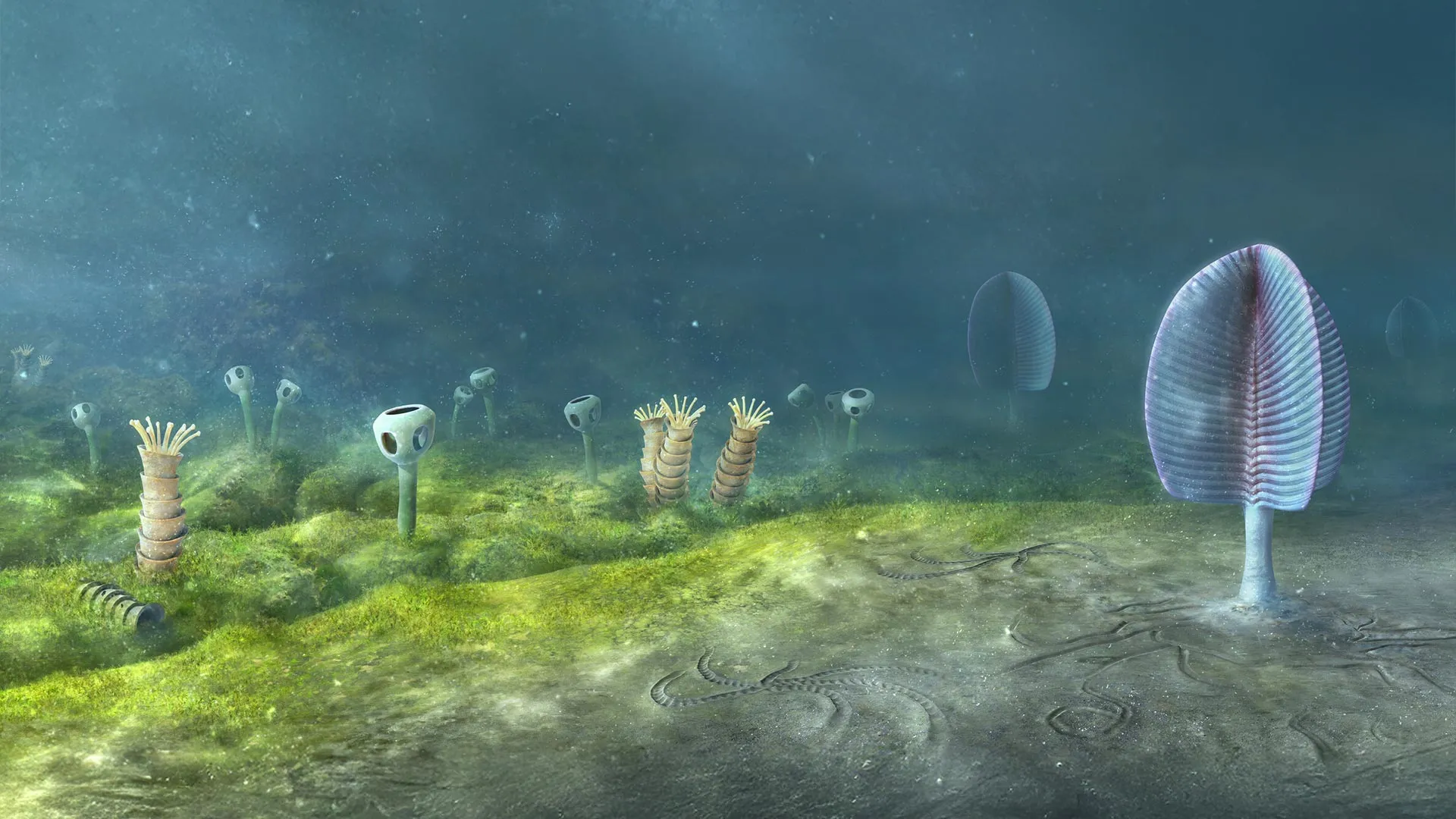
The findings were published in the Annals of Human Biology after La Trobe researchers collaborated with colleagues in South Africa and the United States to analyse the previously unreported specimens. This discovery follows recent Felo News coverage of early animal evolution, highlighting how new fossil analyses continue to revise timelines for ancient life.
Key facts
- An adult Homo erectus fossil (DNH 127) from Drimolen is dated to about 2 million years ago, 200,000 years older than previous adult specimens. (sciencedaily.com)
- The Drimolen collection includes 18 newly described fossils assigned to Homo erectus and Paranthropus robustus. (sciencedaily.com)
- Paranthropus robustus fossils from the same site show larger teeth and stronger chewing muscles between 2 million and 1.8 million years ago. (sciencedaily.com)
Timeline
- 1992-01-01 — Drimolen Main Quarry discovered
- 2019-12-31 — Excavation at Drimolen concluded
- 2026-10-08 — La Trobe team publishes new fossil descriptions
Sources
- [1] sciencedaily.com — originally reported as “Scientists found Homo erectus 200,000 years earlier than expected”