Brief
South Korea attributes DMZ blast to North Korean mines
A preliminary investigation by the United Nations Command and South Korean forces points to North Korean mines as the source of a blast that injured three officers in the DMZ.
By Felo News Desk · Published
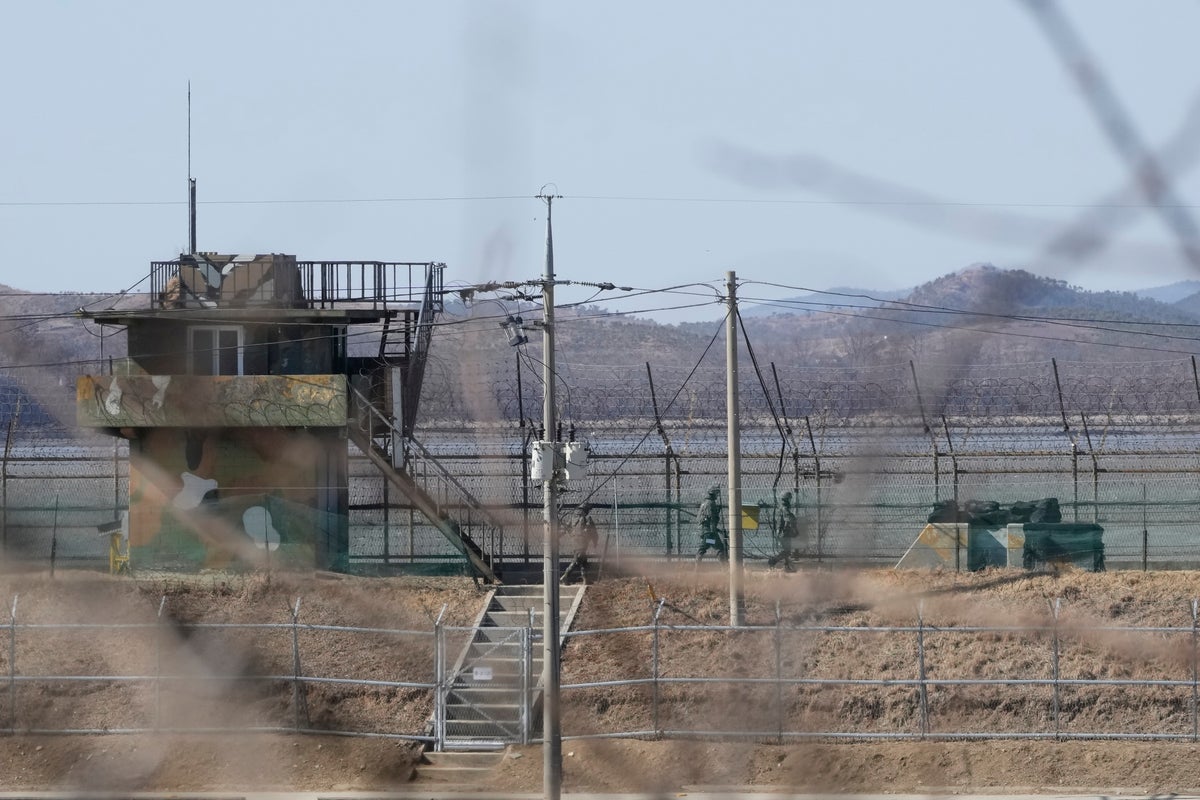
South Korean military officials say a recent explosion in the Demilitarised Zone (DMZ) that injured three officers was most likely caused by North Korean landmines. The Joint Chiefs of Staff, after inspecting the site with the U.S.-led United Nations Command, concluded that recently planted mines were involved in the blast that occurred on 21 September near the western section of the DMZ.
Army Lieutenant‑General Kwon Dae‑won, vice chairman of the Joint Chiefs of Staff, said the crater and flame pattern, combined with the injuries sustained by the service members, made North Korean mines a “highly suspected” cause. He added that the explosion site was about 10 metres from an area where terrain changes had been observed and where North Korean forces are believed to have recently planted mines.
The incident followed a period of heightened tension between the two Koreas, with North Korea accelerating its nuclear weapons programme and the U.S.-led diplomatic effort stalling. The blast occurred while a patrol route was being established through an area that had rarely been visited for decades, a move intended to allow future inspections with the U.N. Command after South Korea detected terrain changes last year that may have resulted from North Korean mine‑laying.
South Korean officials had initially said the blasts appeared to have been caused by mines but did not attribute them to North Korea. The Joint Chiefs of Staff now say there is a “very high possibility” that North Korean mines caused the explosions, a statement that could further heighten tensions between the rivals who technically remain at war.
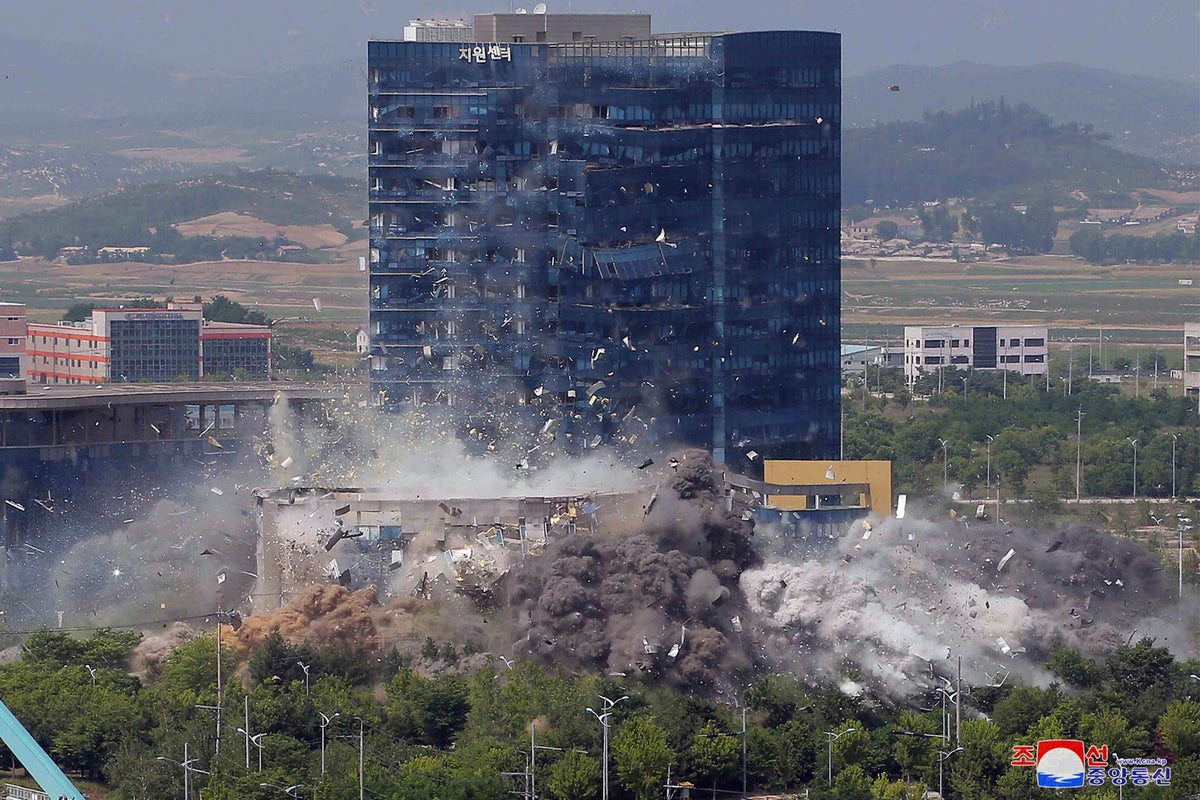
Earlier this month, a Seoul court ordered North Korea to pay $32.5 million for the 2020 destruction of a joint liaison office in Kaesong, a symbolic ruling that underscored the fragile diplomatic situation along the border.
Key facts
- Three South Korean officers were injured in two consecutive explosions on 21 September in the DMZ (independent.co.uk)
- The Joint Chiefs of Staff concluded that North Korean landmines were highly suspected to have caused the blast (aljazeera.com)
- The explosion site was about 10 metres from an area where terrain changes were observed (aljazeera.com)
- The incident followed a period of heightened tension due to North Korea’s nuclear programme and stalled U.S.-led diplomacy (independent.co.uk)
Background
The DMZ has been a flashpoint since the Korean War armistice, with both sides maintaining heavy fortifications. Recent reports of North Korean mine‑laying have raised concerns about escalating violence along the heavily defended border.
Why it matters
The attribution of the blast to North Korean mines could provoke a new escalation between the two Koreas, who remain technically at war.
What happens next
South Korean officials have urged calm while continuing investigations; no immediate military response has been announced.
Sources
- [1] aljazeera.com
- [2] independent.co.uk