Brief
Amnesty calls for release of thousands detained in Delhi protest crackdown
Human‑rights groups say the Delhi police used force, arrested journalists and detained thousands after a youth‑led rally was banned.
By Felo News Desk · Published
Amnesty International, together with CIVICUS, Front Line Defenders and South Asians for Human Rights, urged Indian authorities on October 19 to free everyone arbitrarily detained during the October 10‑11 protests in New Delhi, describing the response as a "brutal crackdown" (Amnesty, 2026-10-19).
What happened
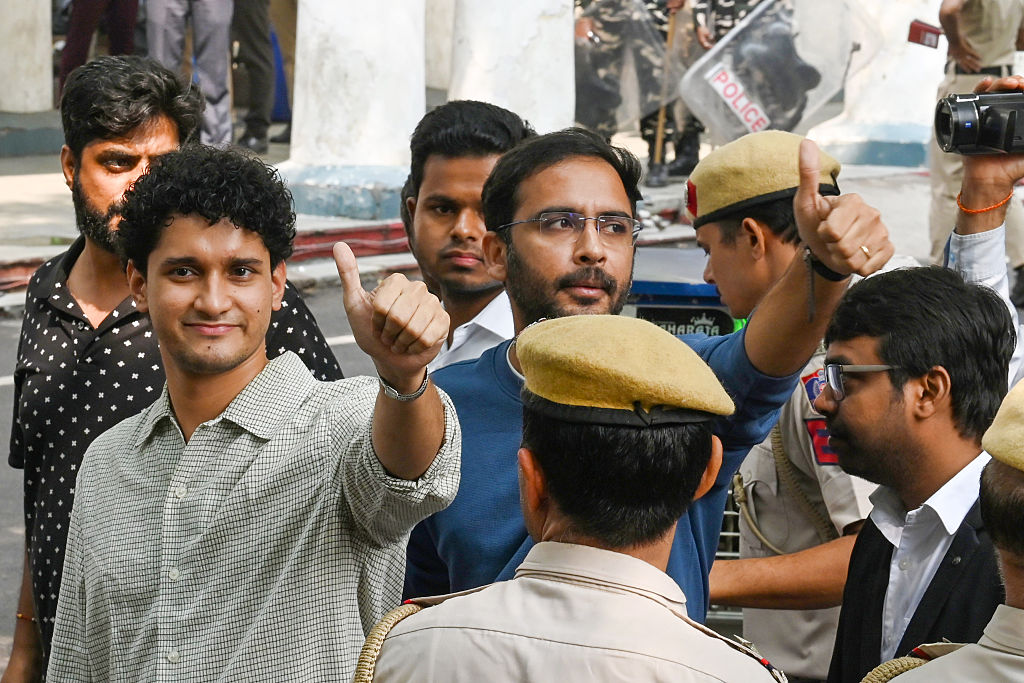
On October 10, the youth‑led Cockroach Janta Party (CJP) organized a protest demanding the resignation of the Chief Election Commissioner after reports that the Special Intensive Revision of electoral rolls removed about 130 million names. Authorities invoked Section 163 of the Bharatiya Nagarik Suraksha Sanhita to ban gatherings of more than five people. More than 50,000 police and security personnel were deployed, trains and buses to Delhi were cancelled, metro stations closed and the city’s borders sealed to large vehicles.
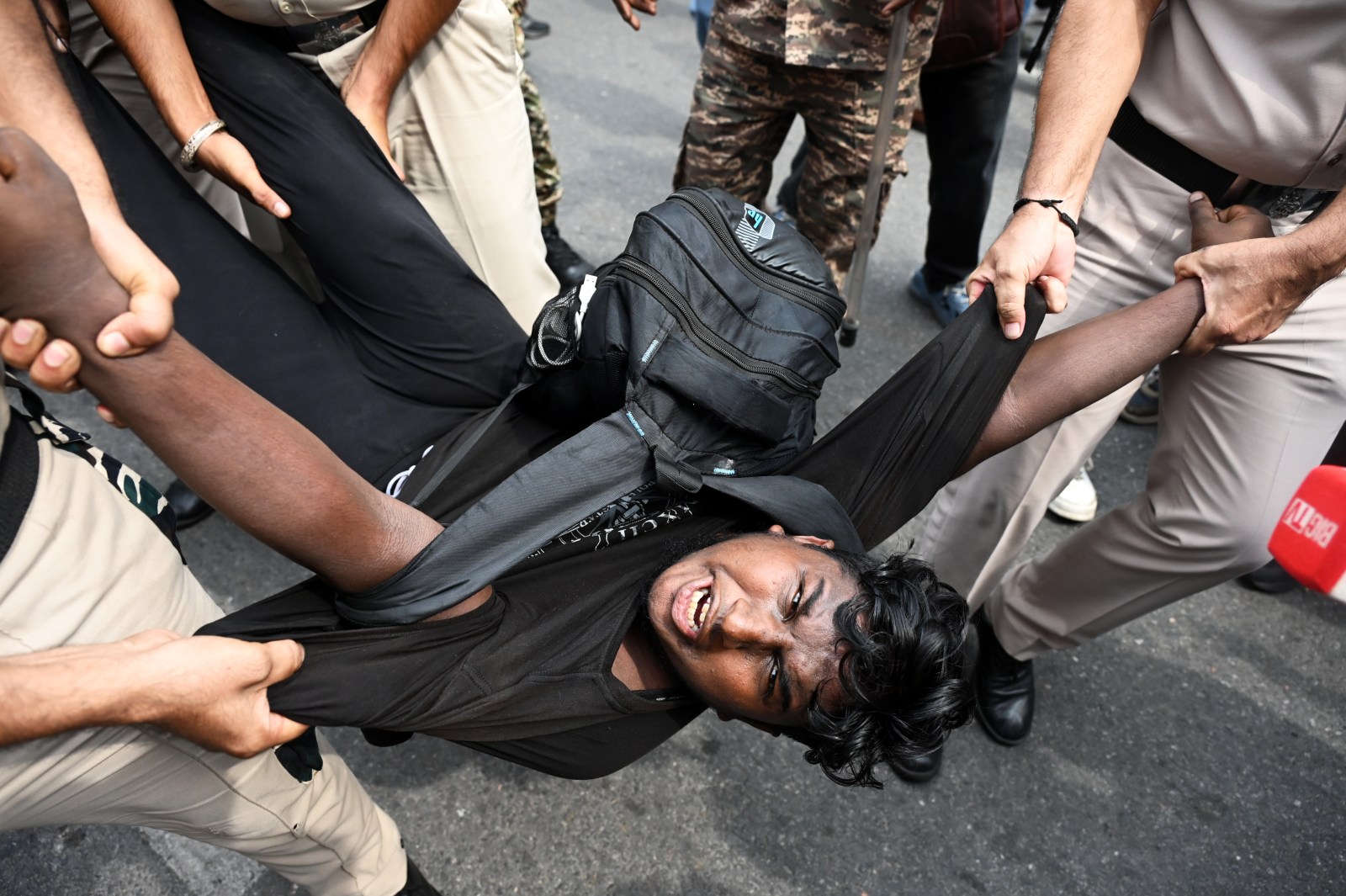
At least 10,000 people were reportedly detained across India for violating prohibitory orders before the march, including many travelling to Delhi. CJP founder Abhijeet Dipke and other leaders were arrested after landing at Delhi airport and held overnight. Thousands of protesters, journalists, lawyers and activists were detained in New Delhi, with reports of physical attacks, sexual harassment of women, and seizure of cameras and phones. Nearly 40 journalists were detained over the two days, some allegedly assaulted despite showing press credentials.
What the reports add
The Amnesty statement notes that some police officers lacked visible name tags, and that right‑wing vigilante groups threatened and assaulted protesters and journalists, including Muslim women journalists. It also highlights that arbitrary detentions continued on October 11, with reports of further police violence in detention centres.
What was said
Amnesty International, CIVICUS, Front Line Defenders and South Asians for Human Rights called on Indian authorities to release all detainees and ensure accountability for security‑force abuses, describing the actions as a violation of the right to peaceful assembly.
How it came about
The protests stemmed from allegations that the election commission’s voter‑list revision removed millions of names, prompting youth and student groups to demand the chief election commissioner’s resignation. Earlier Felo coverage documented the detention of CJP leaders on October 14 and the broader crackdown on journalists on October 18.
Key facts
- Over 10,000 people were detained across India during the October 10‑11 protests (amnesty.org)
- Around 130 million voter names were reportedly removed from electoral rolls (amnesty.org)
- Nearly 40 journalists were detained, with some allegedly assaulted (amnesty.org)
- Amnesty International and four partner groups issued a joint statement demanding releases (amnesty.org)
- Police deployed more than 50,000 personnel and sealed city borders (amnesty.org)
Timeline
- 2026-10-10 — CJP called protest and authorities banned gatherings
- 2026-10-10 — More than 1,000 protesters detained in Delhi
- 2026-10-11 — Arbitrary detentions continued, reports of police attacks
Sources
- [1] amnesty.org — originally reported as “India: End the crackdown on peaceful protests and release arbitrarily detained protesters”