Brief
Cuban ambassador urges Canada to keep opposing U.S. embargo and fuel blockade
Cuban officials say the U.S. pressure campaign harms health, education and energy supplies on the island.
By Felo News Desk · Published
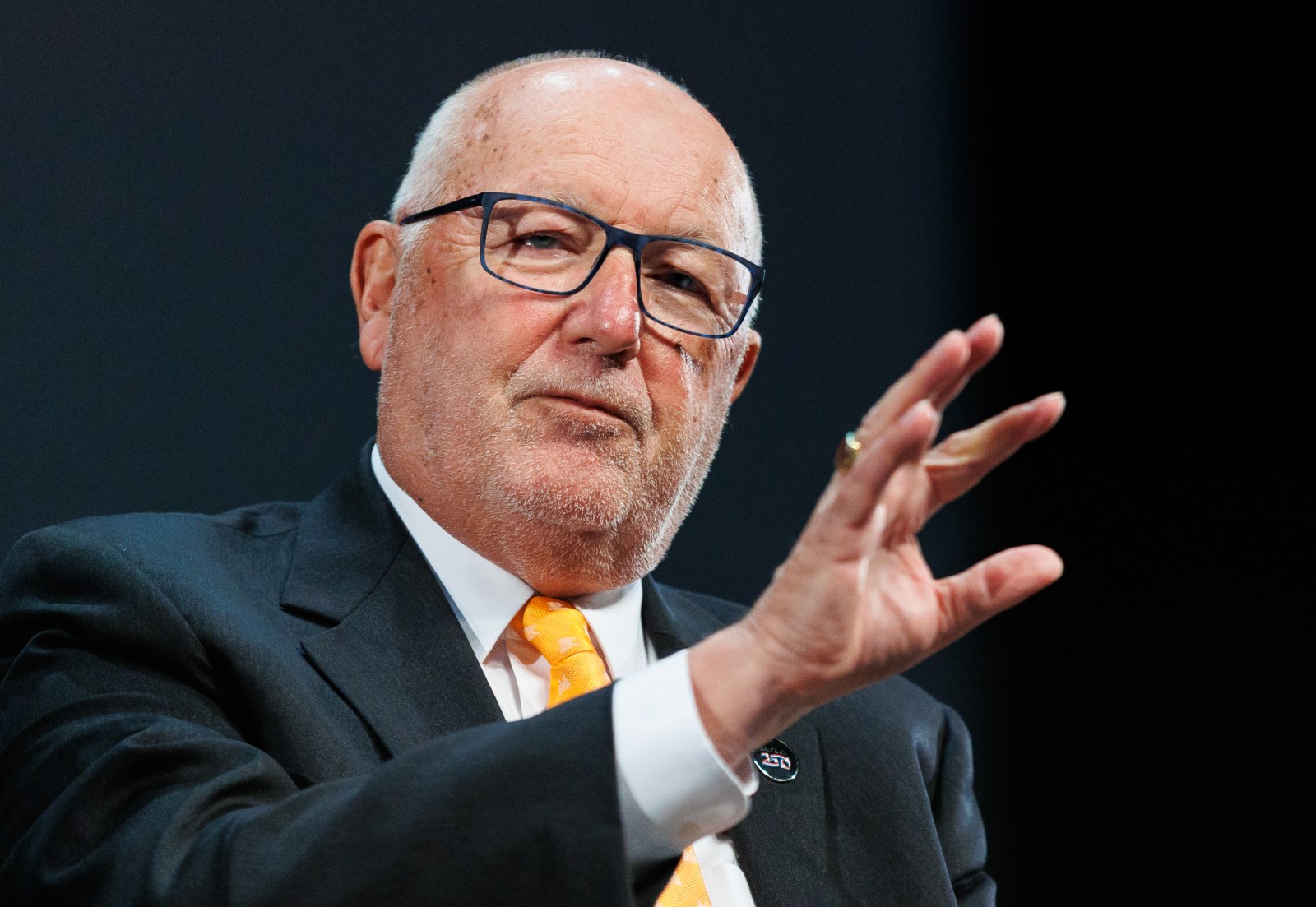
Ottawa – On October 24, Cuban Ambassador to Canada Rodrigo Malmierca Diaz told The Canadian Press that Havana hopes Canada will continue to reject the United States’ decades‑long embargo and recent fuel blockade, saying the pressure campaign is "killing people" and harming the island’s health and education systems.
What happened
The Cuban embassy in Ottawa reiterated its request as Washington intensifies efforts to curb support for Cuba. The United Nations is scheduled to vote next week on a motion Cuba has submitted annually since 1992, calling for the termination of the U.S. economic, commercial and financial embargo. Canada has voted in favour of the motion multiple times.
What the reports add
The City News article notes that the Trump administration is pursuing a de‑facto oil blockade, having cut off Venezuelan shipments in January and threatening tariffs on nations that sell oil to Cuba. It adds that the U.S. claims Cuba poses a national‑security threat. The piece also cites Human Rights Watch and Amnesty International, which accuse the Cuban government of arbitrary arrests, torture of political prisoners and restrictions on media and parties.
What was said
"We are confident that Canada will stay with us, as they have done in the past," Malmierca said, according to The Canadian Press. He added, "The blockade and this intensification is, in practice, killing people." He further stated, "We would like to have a normal relationship with the U.S. We are ready for dialogue." The ambassador warned that countries supporting Cuba are being told by Washington that their access to American trade or aid could be curtailed if they continue backing UN motions to end the embargo.
How it came about
Cuba has faced an economic crisis since 2020, with critical shortages and blackouts that worsened after a fuel blockade in January 2026. The island produces only about 40 % of its fuel needs, and shortages have disrupted health care and crippled the economy. In February, Air Canada and other airlines cancelled flights to Cuba because of aviation‑fuel shortages. Ottawa has pledged $13 million in humanitarian aid through international organisations, not directly to the Cuban government, and has previously funded solar‑panel projects to reduce Cuba’s fuel dependence.
Key facts
- Cuban Ambassador Rodrigo Malmierca Diaz asked Canada to keep rejecting the U.S. embargo and fuel blockade. (toronto.citynews.ca)
- The UN will vote next week on a motion Cuba has submitted annually since 1992 to end the U.S. embargo. (toronto.citynews.ca)
- Canada has voted in favour of the anti‑embargo motion multiple times. (toronto.citynews.ca)
- The U.S. has cut off Venezuelan oil shipments in January 2026 and threatened tariffs on countries selling oil to Cuba. (toronto.citynews.ca)
- Ottawa pledged $13 million in humanitarian aid for Cubans through international organisations. (toronto.citynews.ca)
Sources
- [1] toronto.citynews.ca — originally reported as “Cuban ambassadors ask Canada to renew its rejection of U.S. embargo and fuel blockade”