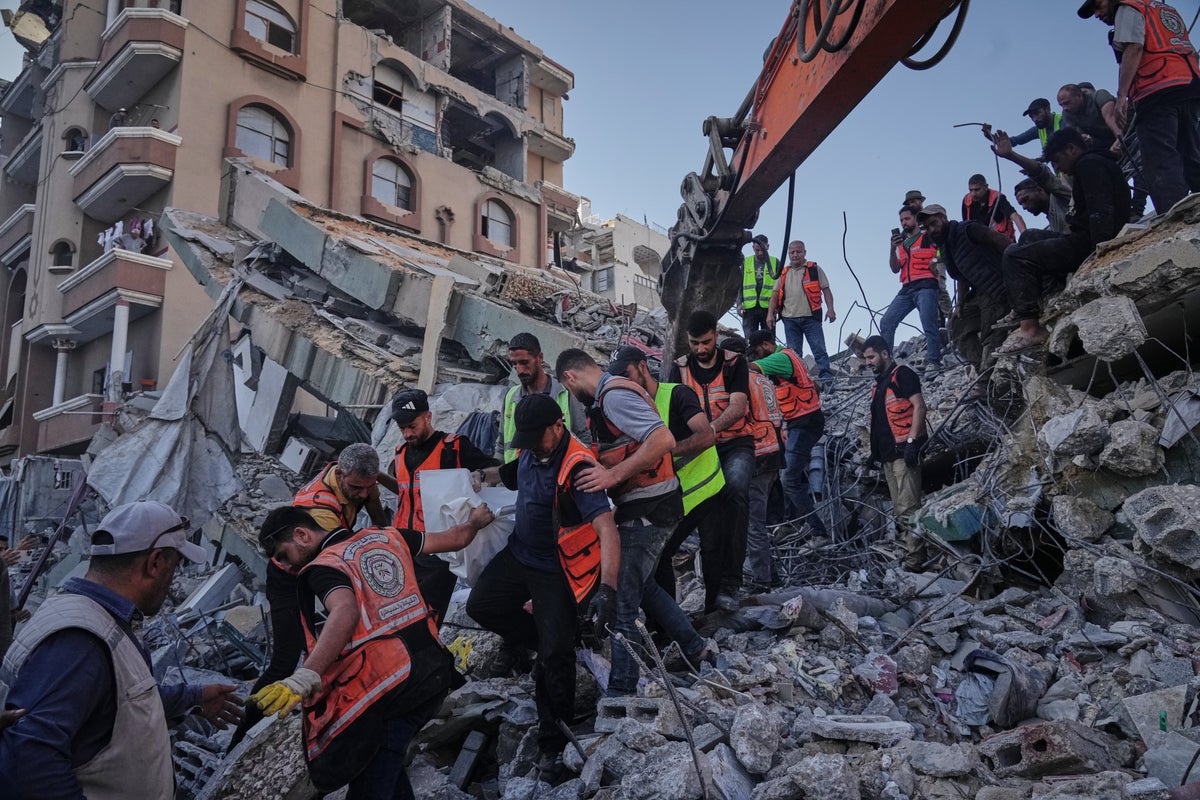
Why Yemen’s Houthis have only grown stronger through years of war
Over a decade of air campaigns by Saudi Arabia, the UAE, the US, the UK and Israel have failed to curb the rise of Yemen’s Houthi rebels. Backed by Iran and its allies, the Houthis have expanded their arsenal and territorial reach, threatening key maritime chokepoints and regional oil facilities. W…
For more than ten years, the Houthi movement in Yemen has endured relentless air attacks from Saudi Arabia, the United Arab Emirates, the United States, Britain and Israel. Each strike has been met with a surge in Houthi recruitment, weapons development and territorial gains, turning the rebels into a more formidable force than before.
From Rebel Movement to Regional Powerhouse
The Houthis first seized control of large parts of northern Yemen in 2015, capturing the capital Sanaa and forcing the internationally recognized government to retreat. Saudi Arabia launched a coalition war to restore the government, but the rebels quickly adapted to the mountainous terrain, dispersing fighters and building hidden bases that made aerial bombardment less effective.
Iran’s support has been a cornerstone of the Houthis’ rise. According to United Nations experts, the rebels have received training, sophisticated missiles, drones and anti‑ship weapons that mirror Iranian designs. While Tehran denies direct involvement, seized shipments of Iranian components and a 2024 UN report confirm a deep military partnership. The result is a fleet of ballistic missiles, cruise missiles and low‑cost drones capable of striking Saudi oil facilities, Red Sea shipping lanes and even Israeli targets.
Air Strikes: Limited Impact, High Cost
Saudi Arabia’s air campaign has involved thousands of sorties, often resulting in civilian casualties and limited tactical gains. The coalition’s heavy reliance on U.S.-supplied aircraft and missile defenses has been strained by supply shortages and the increasing sophistication of Houthi weaponry.
In 2024, the U.S. and the U.K. intensified strikes, dropping over 2,000 munitions on more than 1,000 targets. The cost of U.S. munitions alone exceeded $750 million, while the Houthis destroyed several U.S. drones and an F/A‑18 fighter jet. Despite these losses, the rebels continued to target shipping in the Red Sea, threatening the Bab el‑Mandeb Strait—a critical chokepoint for global trade.
Fragmented Opposition and the Limits of Ground Warfare
Yemen’s internationally recognized government remains weak, fragmented and corrupt. Its loyalists, backed by Saudi Arabia, clash with southern separatists supported by the UAE—an ally that withdrew from Yemen in 2019. This internal division hampers any coordinated effort to push the Houthis back.
Ground operations, which could potentially secure territory after air strikes, would require a sustained and unified military effort that the coalition currently lacks. The cost in lives and resources would be high, and both Saudi Arabia and the United States appear reluctant to commit to another full‑scale war.
Diplomatic Stalemate and Future Uncertainty
The Houthis demand the lifting of Saudi Arabia’s naval blockade, a concession that would be seen as a defeat for the coalition and could open the door to further Iranian aid. With U.S.–Iran tensions unresolved, diplomatic breakthroughs are unlikely. The Houthis remain intransigent, refusing to negotiate until their demands are met.
As the conflict drags on, the Houthis’ ability to threaten international shipping and oil infrastructure continues to grow, raising concerns for global markets and regional stability. A lasting resolution will likely require a comprehensive political settlement that addresses Yemen’s internal divisions and the external influence of Iran and its allies.
Why It Matters
The Houthi rise threatens the security of one of the world’s most vital maritime corridors and could destabilize Gulf oil markets. Understanding their growth is essential for policymakers and businesses that rely on uninterrupted shipping and energy supplies.
Key Takeaways
- The Houthis have expanded from a regional insurgent group to a major proxy force with Iranian backing.
- Air strikes have failed to halt their growth, largely due to Yemen’s rugged terrain and fragmented opposition.
- Houthi weaponry now includes ballistic missiles, cruise missiles and anti‑ship drones capable of striking Gulf states.
- Diplomatic solutions are stalled by U.S.–Iran tensions and the Houthis’ demand for a lifted blockade.
- Any decisive defeat would require a unified ground campaign, which current coalition partners are unwilling to launch.
Frequently Asked Questions
- What is the main reason the Houthis have grown stronger? The combination of Iranian military support, Yemen’s difficult terrain, and the weakness of the opposition has allowed the Houthis to expand their capabilities and territory.
- Can the United States stop the Houthis with more air power? Air power alone has proven insufficient; a coordinated ground effort is necessary to secure lasting gains.
- How does the Houthi threat affect global oil markets? Attacks on Saudi oil facilities and shipping lanes in the Red Sea can disrupt supply chains, leading to price volatility and market uncertainty.
- What diplomatic options exist to resolve the conflict? Negotiations would need to address the blockade, Iranian influence, and Yemen’s internal divisions—challenges that remain unresolved.
Why it matters
The Houthis’ growing power endangers critical maritime trade routes and Gulf oil infrastructure, with direct implications for global energy security and economic stability.
Key points
- Houthi growth fueled by Iranian support and Yemen’s fragmented opposition
- Air strikes have limited tactical impact but high financial cost
- Houthis possess advanced missiles and drones threatening Gulf states
- Diplomatic stalemate due to U.S.–Iran tensions and blockade demands
- Ground operations required for decisive defeat, but coalition reluctant
Frequently asked questions
What is the main reason the Houthis have grown stronger?
The combination of Iranian military support, Yemen’s difficult terrain, and the weakness of the opposition has allowed the Houthis to expand their capabilities and territory.
Can the United States stop the Houthis with more air power?
Air power alone has proven insufficient; a coordinated ground effort is necessary to secure lasting gains.
How does the Houthi threat affect global oil markets?
Attacks on Saudi oil facilities and shipping lanes in the Red Sea can disrupt supply chains, leading to price volatility and market uncertainty.
What diplomatic options exist to resolve the conflict?
Negotiations would need to address the blockade, Iranian influence, and Yemen’s internal divisions—challenges that remain unresolved.