Xi’s Washington Visit Features Trump’s Rare Plane‑Side Welcome
President Xi Jinping’s first state visit to Washington in over a decade is marked by a rare planeside greeting from former President Donald Trump. The visit underscores high U.S.–China tensions over trade, AI, and Taiwan, while Taiwan watches closely for continued U.S. arms sales. The White House’s…
By Felo News Desk · Published
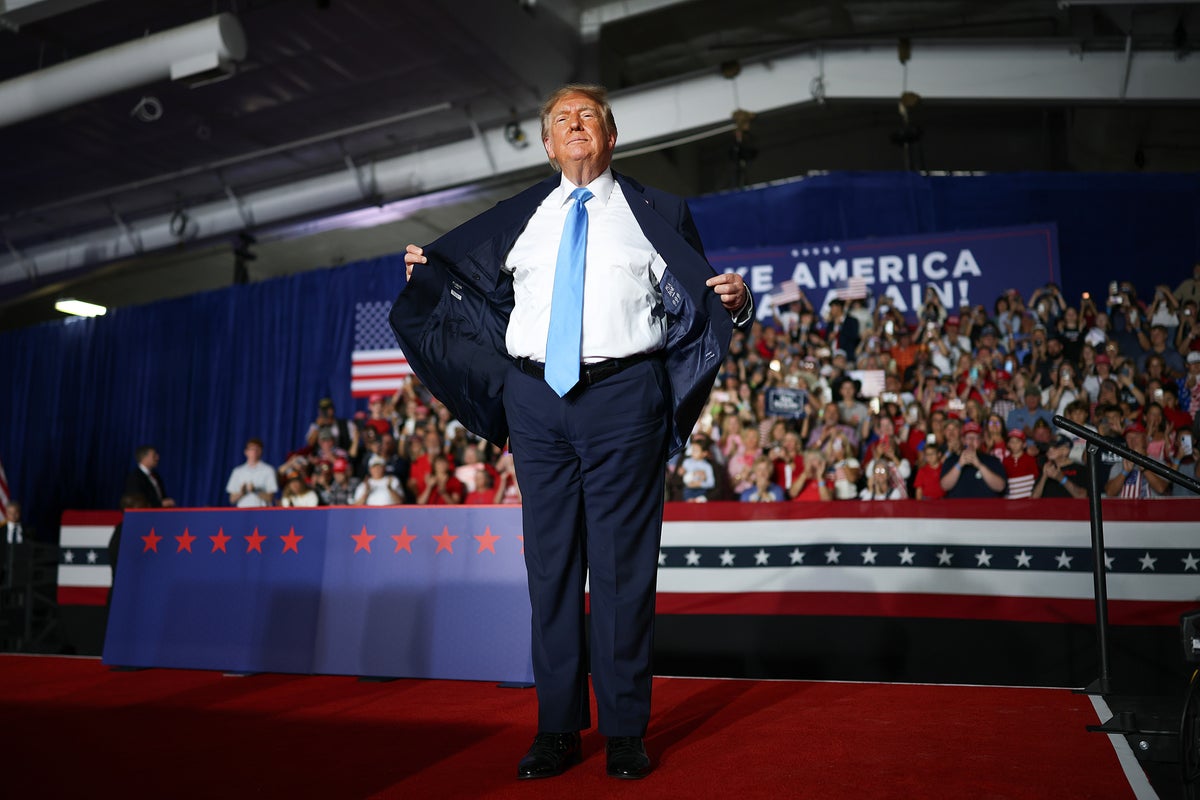
On Wednesday, Chinese President Xi Jinping landed at Joint Base Andrews, beginning a three‑day state visit to Washington, D.C. The arrival was punctuated by a rare gesture: former President Donald Trump stood on the tarmac to greet the Chinese leader’s plane, a departure from the customary protocol of waiting for the guest to drive up to the White House. The move signals Trump’s willingness to honor Xi in a public, high‑profile manner, even as the two nations navigate a complex web of trade disputes, artificial intelligence competition, and the contentious issue of Taiwan.
Historic Arrival and Protocol
Xi departed Beijing on Wednesday afternoon, accompanied by his wife Peng Liyuan, Politburo Standing Committee member Cai Qi, and Foreign Minister Wang Yi. The delegation’s arrival at Joint Base Andrews—home to the U.S. Air Force’s elite units—was met with a full military escort, a display of respect that echoes the grandeur of President Trump’s own 2017 visit to Beijing. Unlike traditional arrivals, where the guest is greeted at the White House, Trump chose the tarmac, a symbolic gesture that underscores the personal nature of the welcome.
White House Security and the Drone Port Debate
Amid the ceremonial pomp, the White House has been quietly expanding its security infrastructure. A new drone port is slated to be installed atop the upcoming White House ballroom, a plan that has sparked debate over its necessity and potential militarization of the presidential residence. The port would house missile‑bearing unmanned aerial vehicles and gun‑toting troops, according to Trump’s AI‑driven vision for the complex. However, a smaller, already operational drone port exists just a few hundred feet away, run by the Secret Service rather than the military. Equipped with cameras and sensors, these unmanned aerial vehicles serve as “first responders,” providing aerial surveillance and rapid response capabilities in the event of a threat.
The existence of this secretive drone infrastructure raises questions about the White House’s security strategy and the legal justifications for expanding aerial defenses. While the new ballroom drone port is positioned as a protective measure, the operational status of the existing Secret Service drones suggests that the need for such a facility may already be met.
Taiwan’s Vigilant Watch
Taiwan’s defense officials are closely monitoring the U.S.–China engagement, hoping that the United States will maintain its arms sales to the island—a point of contention that has intensified since the 2023 summit between Trump and Xi. During that summit, the U.S. paused the sale of a record‑breaking $14 billion arms package, a move that Trump later described as a “very good negotiating chip.” Despite this pause, the U.S. Congress and the administration have repeatedly affirmed support for Taiwan’s self‑defense capabilities. Maj. Gen. Chiao Fu‑chun, spokesperson for the Taiwanese Defense Ministry, confirmed to reporters in Tainan that the U.S. remains committed to providing Taiwan with the necessary weapons and technology to deter aggression.
Implications for U.S.–China Relations
The state visit arrives at a time of heightened geopolitical tension. Trade disputes, AI policy clashes, and the U.S. stance on Iran’s nuclear program are all under scrutiny. Xi’s presence in Washington signals China’s intent to engage directly with U.S. leadership, potentially paving the way for dialogue on contentious issues. However, the symbolic gestures—such as Trump’s planeside welcome—may also serve to project an image of cooperation while underlying policy differences remain unresolved.
As the visit progresses, observers will watch for any substantive agreements or policy shifts, particularly regarding trade tariffs, AI regulation, and Taiwan’s security. The outcome of this high‑profile engagement could shape the trajectory of U.S.–China relations for years to come.
In the meantime, the presence of advanced drone technology at the White House adds a layer of intrigue to an already complex diplomatic landscape. Whether the new drone port will be built or the existing Secret Service infrastructure will suffice remains to be seen, but it underscores the growing importance of aerial surveillance in national security strategy.
Ultimately, Xi’s visit and Trump’s unprecedented greeting highlight the delicate balance of respect, rivalry, and strategic calculation that defines U.S.–China interactions today.
Key facts
- Xi Jinping arrives in Washington for a three‑day state visit
- Former President Trump greets Xi on the tarmac, a break from tradition
- White House plans a new drone port atop the ballroom, sparking debate
- An existing Secret Service drone port already operates nearby
- Taiwan watches closely, hoping U.S. arms sales continue
- The visit occurs amid heightened U.S.–China geopolitical tensions
Why it matters
The event marks a rare moment of personal diplomacy between two global leaders amid escalating tensions, while the drone port debate reflects evolving security priorities in the digital age.
Frequently asked questions
Why did Donald Trump greet Xi on the tarmac instead of at the White House?
Trump chose the tarmac to make a public, high‑profile gesture of respect and to emphasize the significance of Xi’s visit.
What is the purpose of the new drone port planned for the White House ballroom?
The port is intended to house missile‑bearing unmanned aerial vehicles and gun‑toting troops to enhance the security of the presidential residence.
Is the existing drone port run by the military?
No, the existing drone port near the White House is operated by the Secret Service, not the military.
Will Taiwan receive new U.S. arms during this visit?
While the U.S. has paused a large arms package, officials affirm continued support for Taiwan’s self‑defense capabilities.
Sources
- [1] independent.co.uk — originally reported as “The Latest: China’s Xi to kick off visit to Washington with a rare planeside welcome from Trump”