Why is Ferrari facing such a backlash to its first electric car?
Ferrari’s debut electric vehicle, the Luce, has ignited fierce debate among traditional enthusiasts, investors, and political figures. Priced at €550,000, the car’s radical design and four‑door layout contrast sharply with the brand’s iconic sports‑car heritage, prompting criticism from former exec…
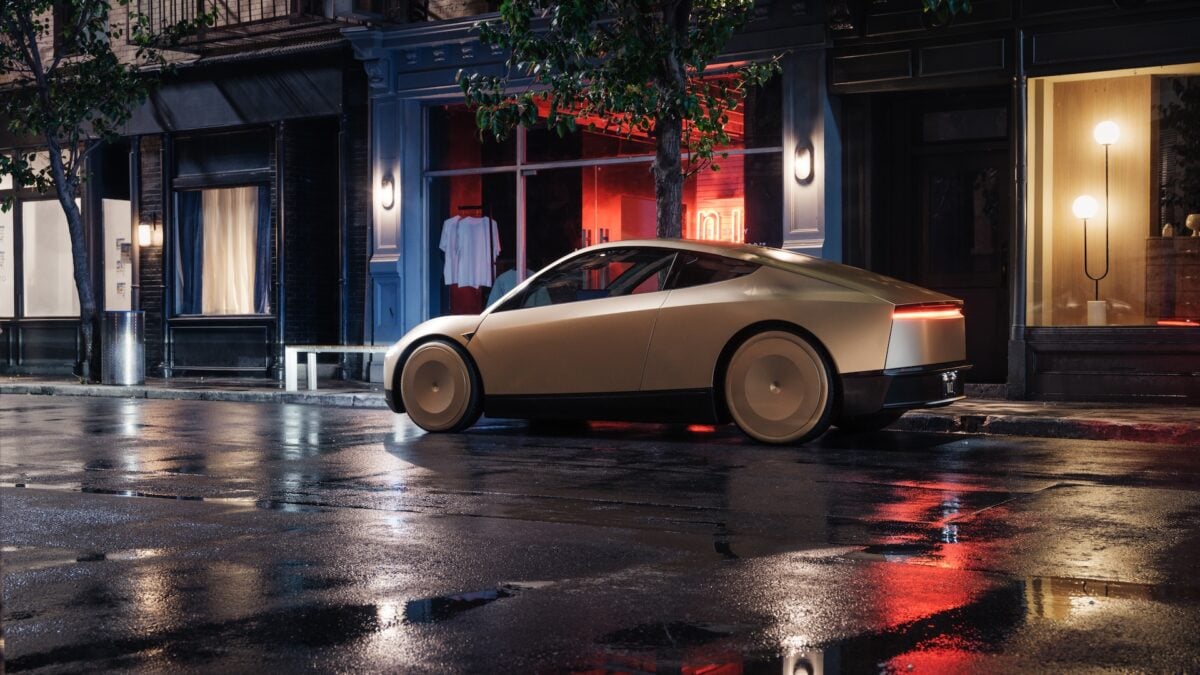
Ferrari’s first fully electric car, the Luce, has become a lightning‑rod for controversy. The 2026 model, priced at €550,000 (about $650,000), features an electric motor on each wheel and can sprint from 0 to 100 km/h in 2.5 seconds. Yet its radical four‑door, five‑seat layout and minimalist Apple‑inspired design have sparked outrage from traditional fans, investors, and even political figures.
What Is the Luce and Why Is It So Different?
The name “Luce” – Italian for “light” – reflects the car’s electric nature and sleek aesthetic. Designed by former Apple executive Jony Ive in collaboration with Marc Newson, the vehicle abandons Ferrari’s signature low‑profile, two‑door silhouette. Instead, the Luce sits on a “skateboard” platform that places the battery pack, motors, and wheels in a single, flat module. This layout allows a near‑flat roofline, a 4‑cm height that rivals the brand’s SUV, the Purosangue, and a spacious rear that can accommodate a fifth seat.
Unlike conventional Ferraris, which rely on a front‑ or rear‑engine layout, the Luce’s electric architecture eliminates the need for a transmission tunnel, freeing interior space. The result is a cabin that feels more like a luxury saloon than a sports car, while the exterior retains subtle aerodynamic cues hidden behind smooth surfaces.
Who Is Reacting and Why?
Reactions have come from a surprising mix of sources. Italy’s president and Pope Leo, who were among the first to test the vehicle, remained silent, but social media erupted with comments ranging from bewildered curiosity to outright hostility. Matteo Salvini, Italy’s transport minister and leader of the far‑right Northern League, posted on X that the car’s pastel blue shade was reminiscent of the Nissan Leaf, a mass‑market EV that sells for a fraction of the Luce’s price. He added a cryptic question about what Enzo Ferrari would think.
Former Ferrari chairman Luca di Montezemolo, who led the company for 23 years, expressed deep concern. In an interview with Italian media, he warned that the brand risks “destroying a legend” and suggested that the prancing horse logo might need to be removed to appease critics.
These outbursts reflect a broader trend of resistance to electric vehicles among right‑wing and traditionalist circles. Similar backlash was seen in 2024 when Jaguar Land Rover launched its electric Jaguar, drawing criticism from Elon Musk and former U.S. President Donald Trump.
Strategic Rationale Behind the Luce
Ferrari’s chief executive, Benedetto Vigna, has repeatedly described the Luce as a “polarising” model designed to appeal beyond the core sports‑car audience. The company sees the vehicle as a bridge to the ultra‑wealthy segment in China, the world’s largest EV market. Vigna told investors that the Luce “fits better into the portfolio” for that region and that it could attract “reforming petrolheads, tech founders, and lovers of quiet luxury.”
MotorTrend’s Angus MacKenzie noted that while the driving position still feels like a sports car, the interior’s tactile buttons and digital dials hint at a future‑proof design. He suggested that the Luce could pave the way for more electric models in Ferrari’s lineup.
Technical Challenges of Electric Supercars
Building an electric supercar is no simple task. While the Croatian manufacturer Rimac produced the Nevera in 2018, capable of 0‑60 mph in 1.74 seconds, its price tag sits around £2 million. The Chinese‑owned Lotus Evija also competes in the same high‑end segment. Electric vehicles offer instant torque, which can surpass combustion engines from a standstill, but batteries add weight and bulk, complicating handling and packaging.
MacKenzie summed up the industry’s focus: “The horsepower war is over. The new holy grail will be lateral acceleration – can you make electric cars go round corners properly?”
What Happens Next?
As of now, the Luce has not yet entered the market, so sales figures remain unknown. Ferrari’s share price fell 8% following the launch, reflecting investor unease. The company must navigate the fine line between honoring its racing heritage and embracing the inevitable shift toward electrification. Whether the Luce will win over a new generation of buyers or alienate its loyal base remains to be seen.
Only time will tell if Ferrari can successfully merge its storied legacy with the demands of a rapidly evolving automotive landscape. The Luce’s performance, market reception, and potential influence on future models will be closely watched by enthusiasts, investors, and industry analysts alike.
Why it matters
Ferrari’s move into electric vehicles signals a pivotal shift for one of the world’s most iconic brands, challenging long‑standing perceptions and testing the viability of luxury EVs in the high‑end market.
Key points
- Ferrari’s Luce is a €550,000 electric four‑door with a five‑seat layout, a first for the marque.
- The design, led by Jony Ive and Marc Newson, departs sharply from Ferrari’s traditional sports‑car aesthetics.
- The launch sparked backlash from traditionalists, former executives, and right‑wing politicians, causing a drop in shares.
- Ferrari aims to broaden its ultra‑wealthy customer base, especially in China, with the Luce.
- Electric supercars face weight and packaging challenges, but offer instant torque and future‑proofing potential.
- The Luce’s success will test whether Ferrari can reconcile heritage with electrification.”
- faq
- :


.jpg?w=1120&h=630)

