Brief
US replies to Iran's Hormuz peace proposal, UAE residents face travel and oil impacts
Washington's answer to Tehran's seven‑day trust‑building plan arrives via Qatari mediators, prompting flight disruptions and higher oil prices for UAE residents.
By Felo News Desk · Published
Washington has communicated its response to Iran's seven‑day Hormuz peace proposal through Qatari mediators, Gulf News reported on September 30, 2026. The reply, delivered to Iranian Foreign Minister Abbas Araghchi in Doha, is said to align broadly on required steps but differs on sequencing.
UAE residents are advised of continued flight disruptions, rising oil prices and ongoing diplomatic activity around the Strait of Hormuz. Oil throughput remains at about 13.1 million barrels per day, roughly 80% of pre‑war levels, keeping Brent crude near $103‑$105 per barrel.
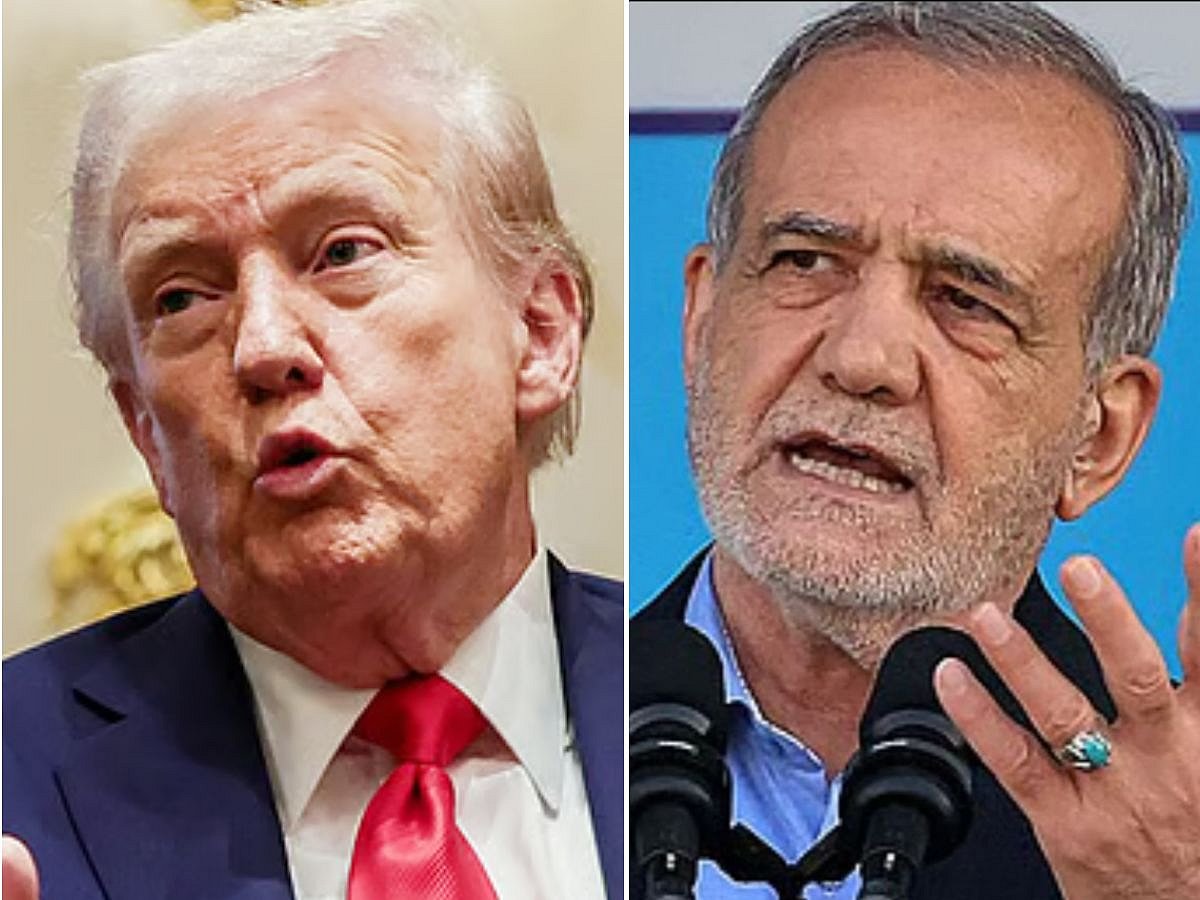
President Donald Trump asserted the United States will win the conflict "very soon," while Iran’s Revolutionary Guard accused the US campaign of failing.
Key facts
- Washington responded to Iran's seven‑day Hormuz proposal via Qatari mediators (gulfnews.com)
- Iranian Foreign Minister Abbas Araghchi received the US response in Doha (gulfnews.com)
- Oil flow through the Strait of Hormuz is about 13.1 million barrels per day, 80% of pre‑war levels (gulfnews.com)
- Brent crude hovered around $103‑$105 per barrel on September 30, 2026 (gulfnews.com)
- President Donald Trump said the US will win the war "very soon" (gulfnews.com)
Sources
- [1] gulfnews.com — originally reported as “US-Iran war: US responds to Tehran's Hormuz plan — what UAE residents need to know tonight, September 30, 2026”