Trump Secures Permanent U.S. Military Foothold in Greenland
On September 19, 2026, President Donald Trump revealed an agreement between the United States and Denmark that allows a permanent U.S. military presence in Greenland. The deal, confirmed by Danish and Greenlandic leaders, expands Washington’s strategic foothold in the Arctic while keeping the islan…
By Felo News Desk · Published
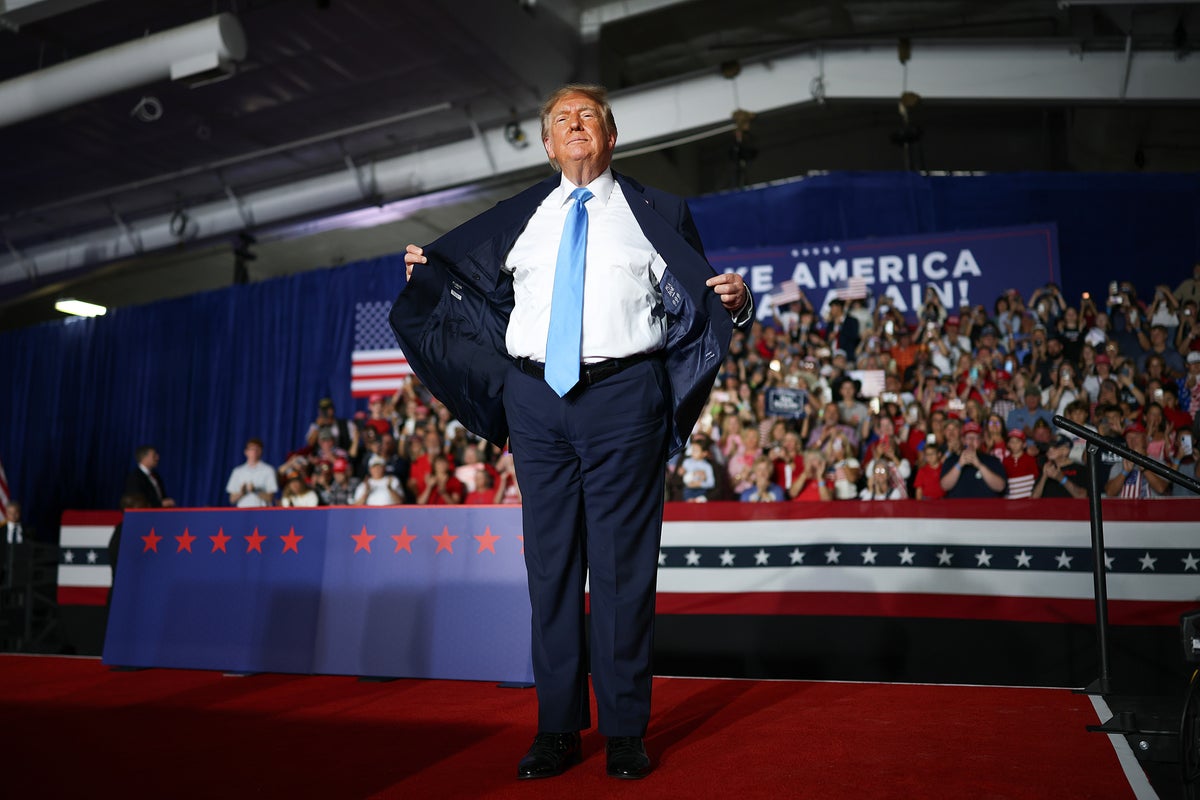
On Friday, September 19, 2026, President Donald Trump announced a landmark agreement between the United States and Denmark that will grant the U.S. permanent security control over Greenland. The deal, confirmed by both Danish Prime Minister Mette Frederiksen and Greenlandic leader Jens‑Frederik Nielsen, expands Washington’s military presence on the Arctic island while keeping Greenland under Danish sovereignty.
What the Deal Entails
The agreement gives the U.S. permanent access to Greenland for military operations, overflight rights, and the ability to increase the number of bases on the island. It also bars non‑NATO countries, including China and Russia, from establishing military installations or making sensitive investments that could threaten U.S. security. The U.S. will work with Greenlandic authorities on development and construction of new facilities, with the U.S. already planning to expand its footprint beyond the existing 150 troops stationed at Pituffik Space Base.
Context and Background
Greenland has been a strategic asset for the United States since the 1950s, when the U.S. established a base on its western coast. The island is a Danish territory and a NATO member, and it has long been protected under broad military operating rights granted by Denmark. In January 2026, President Trump and NATO Secretary‑General Mark Rutte discussed a framework for a future deal concerning Greenland, sparking speculation that Washington might seek greater control over the island.
Trump’s announcement follows a period of heightened U.S. interest in the Arctic, driven by climate change, new shipping routes, and competition with Russia and China for influence in the region. The new agreement is therefore seen as a strategic move to secure U.S. interests in the North Atlantic and to reinforce NATO’s presence in the Arctic.
Reactions from Key Stakeholders
Danish Prime Minister Mette Frederiksen welcomed the deal, stating that it would strengthen security for Denmark, Greenland, the United States, and the broader Western alliance. She emphasized that the agreement respects Denmark’s sovereignty and Greenland’s right to self‑determination. Greenlandic leader Jens‑Frederik Nielsen described the deal as “gratifying” and noted that it recognizes Greenland’s interests and its role in international cooperation.
U.S. Secretary of State Marco Rubio called the agreement a “huge win,” asserting that Greenland will forever remain part of North America’s strategic defense area and that the deal permanently addresses U.S. national security concerns in the region.
Implementation and Future Steps
The agreement is slated to be signed during the United Nations General Assembly in New York next week, where world leaders will convene. It will also require parliamentary approval in Denmark before it becomes fully operative. Once signed, the U.S. plans to begin the development of a large military presence in appropriate areas of Greenland, working closely with local authorities on construction and infrastructure projects.
Even if Greenland eventually declares full independence, the agreement stipulates that the U.S. will maintain a permanent military presence on the island. This provision underscores Washington’s long‑term strategic interest in the Arctic, ensuring that the island remains a key component of U.S. defense strategy regardless of future political changes.
Unresolved Questions and Potential Discrepancies
While both sources confirm the core elements of the deal, there is limited detail on the exact number of new bases or the specific areas where the U.S. will expand its footprint. Additionally, the agreement’s wording on “permanent control” has sparked debate about whether it constitutes an outright takeover or simply a long‑term security partnership. The U.S. has clarified that Greenland will remain under Danish sovereignty, but the phrasing in some statements has led to speculation about future sovereignty shifts.
Why This Matters
The agreement signals a significant shift in Arctic geopolitics, reinforcing U.S. influence in a region that is increasingly contested by major powers. It also highlights the strategic importance of Greenland as a gateway to the North Atlantic and a potential hub for future military and commercial activities.
Key facts
- U.S. gains permanent security control over Greenland while it remains Danish territory
- Non‑NATO countries barred from building bases or making sensitive investments
- Agreement to be signed at UN General Assembly, pending Danish approval
- U.S. plans to expand military presence beyond current 150 troops
- Deal remains in force even if Greenland becomes independent
Why it matters
The deal places Greenland firmly within the U.S. strategic defense network, limiting rival powers’ influence in the Arctic and reinforcing NATO’s presence in a region of growing geopolitical importance.
Frequently asked questions
What does “permanent control over security” mean?
It grants the U.S. long‑term access for military operations and overflight rights, but Greenland remains under Danish sovereignty.
Will Greenland lose its independence?
No, the agreement does not transfer sovereignty; it only secures U.S. military access.
Can other countries build bases in Greenland?
Non‑NATO countries are prohibited from establishing military bases under the new deal.
When will the agreement be signed?
It is scheduled for the UN General Assembly next week, pending Danish parliamentary approval.
Sources
- [1] amgreatness.com
- [2] cbsnews.com