US shoppers uneasy as retailers roll out AI-driven pricing systems
Consumers protest the rise of algorithmic price tags and demand clearer disclosure from retailers.
By Felo News Desk · Published
U.S. consumers are expressing anger and confusion over the growing use of artificial‑intelligence tools that set prices in grocery stores and restaurant chains, according to three news outlets reporting on October 18, 2026.
What happened
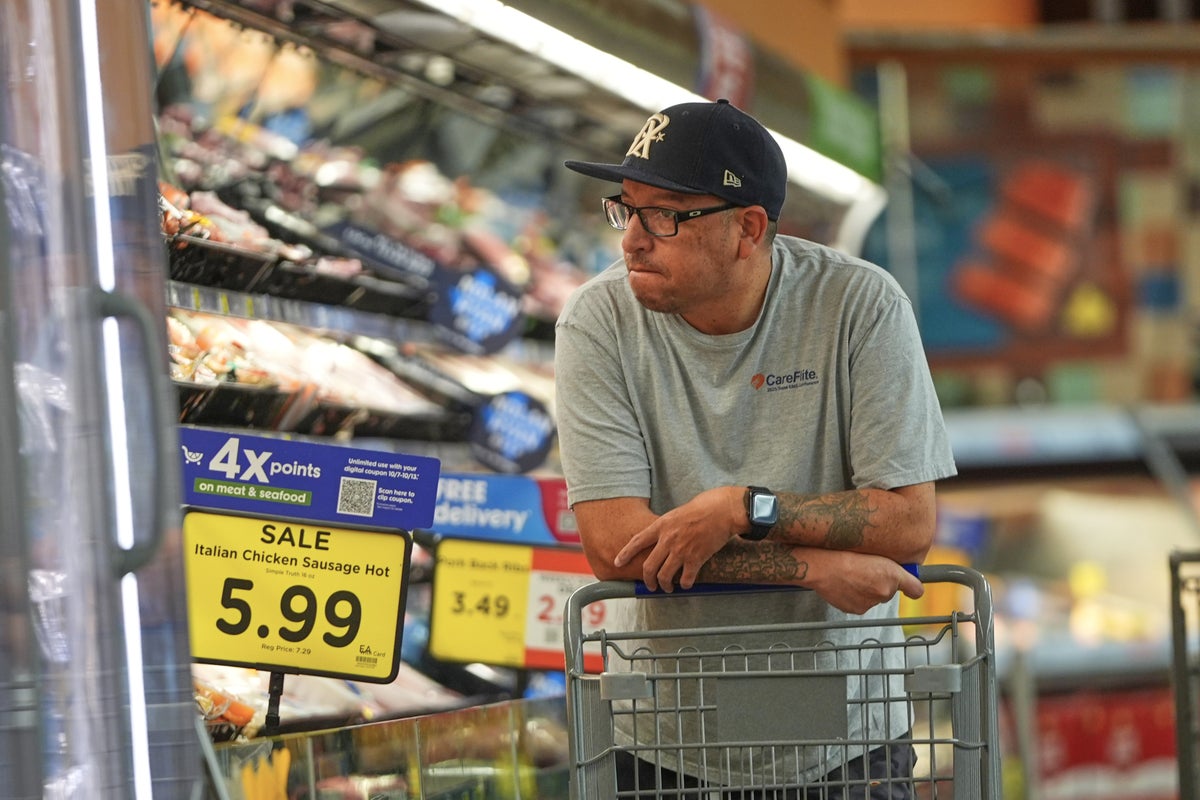
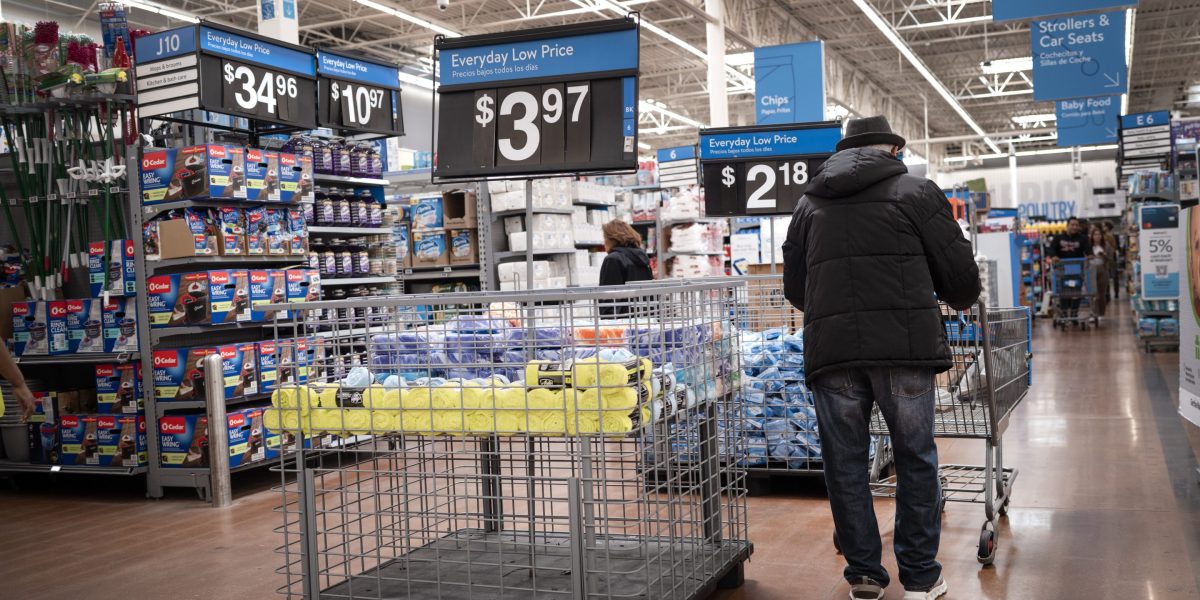
Digital shelf labels are replacing paper price tags in many aisles, while AI algorithms predict how shoppers will respond and adjust prices in real time. The shift has introduced terms such as “dynamic pricing” and “surveillance pricing,” which are sparking debate on social media about whether different shoppers receive different prices for the same product.
What the reports add
Winnipeg Free Press noted that the technology is being adopted by both restaurant chains and major retailers, emphasizing the speed of price changes. CityNews in Toronto highlighted the social‑media anxiety, quoting users who wonder if personal data is being used without their knowledge. The Independent reproduced the same description of the technology and added that companies claim some concerns stem from misconceptions about how the pricing tools work.
What was said
“There are major tensions happening right now between who’s really going to have the power with some of these algorithms and usage of bots and AI: the companies or the shopper,” said Katie Thomas, who leads an internal consumer‑behavior think‑tank at the management‑consulting firm Kearney, as reported by CityNews and the Independent.
How it came about
Retailers have been experimenting with AI‑driven pricing for years, but recent patent filings by Walmart (see Walmart’s new pricing patents raise consumer concerns) and broader industry research (see AI could replace universal price tags, experts warn) have brought the issue into the public eye. Earlier this month, Felo News reported on the surge in consumer spending despite higher fuel costs (US consumers keep spending despite surging gas and wholesale prices), underscoring the tension between price pressures and new pricing technologies.
Key facts
- Digital shelf labels are replacing paper price tags in U.S. grocery aisles. (winnipegfreepress.com)
- AI tools predict customer response and adjust prices in real time. (toronto.citynews.ca)
- Consumers are concerned about “dynamic pricing” and possible use of personal data. (independent.co.uk)
- Katie Thomas of Kearney warned of power struggles between companies and shoppers over AI pricing. (toronto.citynews.ca)