Trump Rejects Iran’s Seven‑Day Strait of Hormuz Plan
President Donald Trump declined Iran’s offer to reopen the Strait of Hormuz within a week, rejecting a plan that required the U.S. to lift its naval blockade, waive oil sanctions and observe a ceasefire. The decision follows weeks of indirect talks and a high‑profile U.N. General Assembly meeting w…
By Felo News Desk · Published
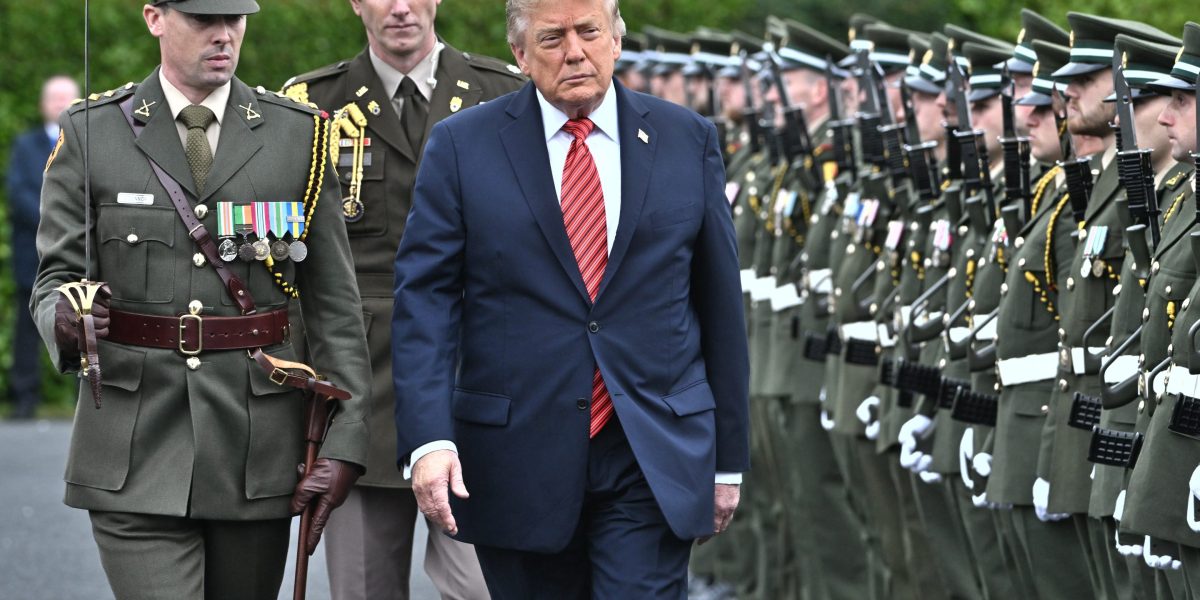
In a brief statement outside the White House on Saturday, President Donald Trump announced that he would not accept Iran’s seven‑day proposal to reopen the Strait of Hormuz. The offer, presented by Iran’s foreign minister Abbas Araghchi through Qatari mediators, would have required the United States to lift its naval blockade of Iranian ports, waive sanctions on Iranian oil sales, release frozen assets and observe a ceasefire covering the region, including Lebanon and Yemen. Trump’s rejection comes after weeks of indirect talks and a high‑profile U.N. General Assembly meeting where Iranian leaders outlined the conditions for a rapid diplomatic breakthrough.
Background: The Strait and the U.S.–Iran Conflict
The Strait of Hormuz is a narrow waterway that connects the Persian Gulf to the Arabian Sea. Roughly 20 percent of the world’s oil supply passes through it, making the channel a strategic chokepoint for global energy markets. Since the 1979 Islamic Revolution, the United States has imposed a naval blockade on Iranian ports and imposed sweeping economic sanctions, citing Iran’s support for militant groups and its nuclear ambitions.
In February 2026, a U.S.‑Israeli strike on an Iranian naval base in the Gulf triggered a new round of hostilities. The conflict has lasted nearly seven months, with both sides exchanging air and missile attacks. The U.S. blockade has further strained Iran’s already fragile economy, while the U.S. has sought to maintain pressure ahead of the 2026 midterm elections.
Iran’s Seven‑Day Roadmap
During the U.N. General Assembly in New York, Iran’s president Masoud Pezeshkian and foreign minister Abbas Araghchi presented a concrete plan to the United States. The roadmap calls for a swift opening of the Strait within seven days if Washington meets a set of conditions:
- Lift the naval blockade of Iranian ports.
- Waive sanctions on Iranian oil sales.
- Release approximately $12 billion in frozen Iranian assets.
- Observe a ceasefire that includes Lebanon and Yemen.
- Resume nuclear negotiations under the framework of the 2015 nuclear deal.
Iran framed the proposal as a way to de‑escalate tensions and restore commercial shipping, arguing that the blockade and sanctions have caused “record lows” in the Iranian currency and soaring inflation. Tehran also highlighted its willingness to open the Strait as a political lever that could benefit U.S. domestic politics, suggesting that a quick deal might help President Trump in the upcoming midterms.
U.S. Response and Trump’s Decision
President Trump, speaking to reporters outside the White House before a trip to Tennessee, said, “I reject their proposal.” The statement followed a brief social‑media post in which Trump shared a map of the Strait labeled “Trump Strait.” The post was interpreted as an early sign of his stance on the issue.
White House officials have described the talks as “positive and constructive,” but the administration has not provided a detailed rationale for rejecting the plan. Analysts note that Trump’s position may be influenced by a desire to avoid a renewed bombing campaign on Iran before the midterms, while also maintaining leverage over Tehran.
Implications for Regional Security and Markets
With the Strait remaining closed, commercial shipping continues to navigate the Gulf under U.S. escort, exposing vessels to potential Iranian attacks. The closure has already pushed global oil prices higher, adding pressure to an economy already strained by sanctions.
Regional actors have reacted with caution. Saudi Arabia’s military spokesperson claimed a Houthi missile launch was intercepted, while the Gulf Cooperation Council condemned the latest Houthi attacks as a “grave escalation.” Iraq has sought U.S. exemptions for Iranian airlines to facilitate humanitarian flights, reflecting the broader humanitarian impact of the blockade.
What Happens Next?
Iran’s foreign minister Abbas Araghchi stated that Tehran is awaiting a U.S. response, while President Pezeshkian expressed skepticism about the U.S. commitment to a lasting peace. The U.S. has not indicated a willingness to renegotiate the terms of the seven‑day roadmap, leaving the Strait closed and the broader conflict at a stalemate.
Both sides appear to be in a “limbo” state, with the U.S. maintaining pressure and Iran seeking a diplomatic breakthrough. The situation remains fluid, and any shift in policy could have immediate consequences for global oil markets and regional security dynamics.
As the U.S. navigates its domestic political calendar, the international community watches closely to see whether a new compromise can emerge or if the conflict will continue to simmer at a high level of tension.
Key facts
- Trump rejected Iran’s seven‑day plan to reopen the Strait of Hormuz
- Iran’s proposal required lifting the U.S. blockade, waiving oil sanctions, and observing a regional ceasefire
- The U.S. blockade and sanctions have strained Iran’s economy and global oil markets
- The decision leaves the Strait closed and the conflict at a stalemate
- Regional actors, including Saudi Arabia and Iraq, are monitoring the situation closely
Why it matters
The Strait of Hormuz is a vital artery for global oil supply; any change in its status directly affects energy markets and international security. The U.S.–Iran standoff also has significant implications for U.S. domestic politics and regional stability.
Frequently asked questions
What conditions did Iran propose for reopening the Strait of Hormuz?
Iran asked the U.S. to lift its naval blockade of Iranian ports, waive sanctions on Iranian oil sales, release about $12 billion in frozen assets, observe a ceasefire covering Lebanon and Yemen, and resume nuclear talks.
Why did President Trump reject the proposal?
The White House has not given a detailed explanation, but analysts suggest Trump may be avoiding a renewed bombing campaign before the midterms and maintaining leverage over Tehran.
What are the implications for global oil prices?
With the Strait closed, commercial shipping is escorted by U.S. forces, raising the risk of attacks and pushing oil prices higher due to supply concerns.
Are there any signs of a new diplomatic effort?
Iran’s foreign minister remains open to dialogue, but the U.S. has not indicated a willingness to renegotiate the terms, leaving the situation in a state of limbo.
Sources
- [1] fortune.com
- [2] latimes.com
- [3] aljazeera.com