Brief
Trump administration lifts select Canada tariffs as midterm races tighten
Tariff exemptions for Canadian agricultural and packaging goods were announced Friday, with Republicans citing election pressure.
By Felo News Desk · Published
The Trump administration announced on Friday that it is exempting a range of Canadian imports from previously imposed duties, NBC News reported. The move removes 50% tariffs on several agricultural items and related packaging equipment, while adding duties on other products such as certain valves and carpets.
What happened
According to a White House document posted online, the exemptions cover blueberries, potatoes, apples, seaweed, plastic boxes, crates, refrigeration equipment, sealing and labeling machinery, film, foil and other packing supplies. At the same time, the administration is imposing new tariffs on "certain valves, carpets, waste products" to offset the revenue loss.
What the reports add
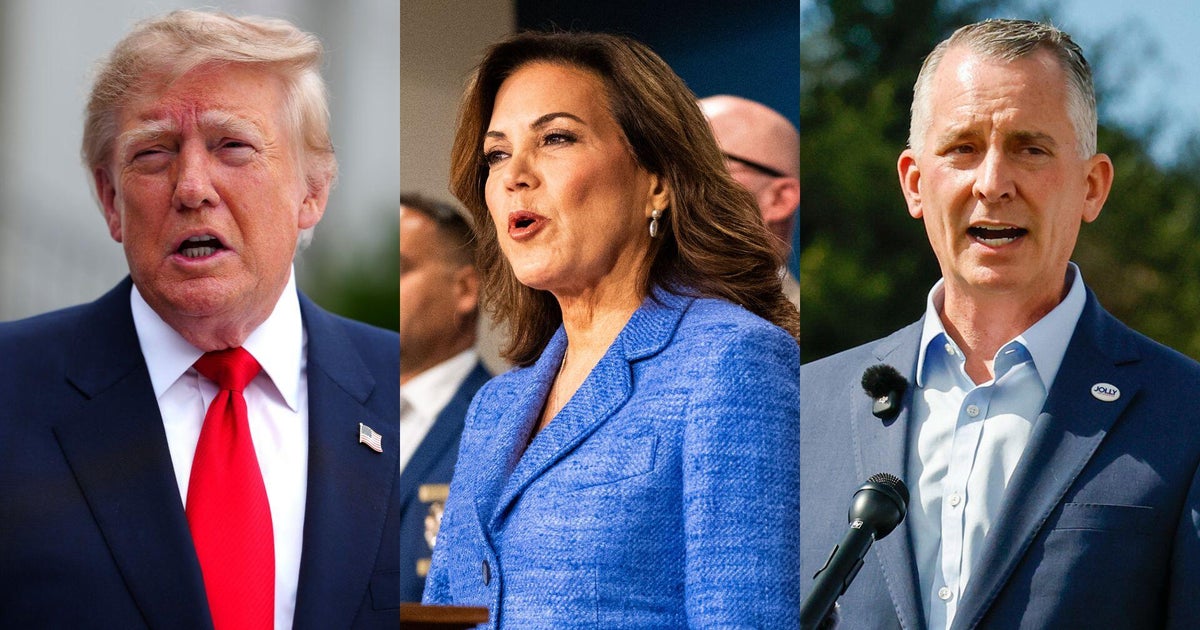
Sen. Susan Collins (R‑ME), who announced the change on social media, highlighted the importance of the exempted items for Maine’s farmers and growers, noting that many rely on specialized Canadian equipment unavailable domestically. The article notes that the White House statement framed the action as a refinement of the tariff scope, without mentioning Collins. NBC News also cited comments from other Republicans, including Sen. Mike Rogers (R‑MI), who urged an end to the trade war with Canada.
What was said
“I am pleased to have secured additional tariff exemptions for products crucial to Maine’s agricultural industries, including blueberry, potato, apple, and seaweed producers,” Collins said in her post, NBC News reported.
“I will continue working directly with Administration officials to seek additional relief and encourage a broader trade agreement with Canada, our neighbor, ally, and largest trading partner,” Collins added.
President Trump earlier predicted that Canada would ask to lift the tariffs within weeks, saying, “We’re going to win everything,” NBC News noted.
How it came about
The tariffs were originally imposed after Canada withdrew from trade talks with the United States in late August 2026. The 50% duties on agricultural products were part of a second wave of tariffs that followed earlier measures targeting steel and aluminum. As the November 3 midterms approach, polls show Democrats poised to win control of both chambers, prompting some Republicans to argue that the trade policy is harming their electoral prospects.
Key facts
- The White House announced exemptions for Canadian blueberries, potatoes, apples, seaweed and related packaging equipment. (nbcnews.com)
- New tariffs were added on certain valves, carpets and waste products to offset the exemptions. (nbcnews.com)
- Sen. Susan Collins said the exemptions benefit Maine’s agricultural sector. (nbcnews.com)
- The original tariffs were imposed after Canada withdrew from trade negotiations in late August 2026. (nbcnews.com)
- Republican officials, including Sen. Mike Rogers, have called for ending the trade war with Canada ahead of the midterms. (nbcnews.com)
Timeline
- 2026-08-XX — Canada withdrew from trade negotiations, prompting the U.S. to impose tariffs.
- 2026-09-28 — President Trump predicted Canada would seek tariff removal within weeks.
- 2026-10-23 — White House announced exemptions for select Canadian imports and new tariffs on other items.
Sources
- [1] nbcnews.com — originally reported as “Trump administration cancels some Canada tariffs amid close midterm races”