Thousands in Texas protest against border wall through national park: ‘big love for Big Bend’
More than 2,000 Texans marched on the state capitol to stop a proposed steel border wall in Big Bend National Park. The protest drew bipartisan voices, environmentalists, and local residents who fear damage to wildlife, sacred sites, and the park’s natural beauty.
On Saturday, a crowd of over 2,000 people assembled at the Texas capitol’s steps to voice a united front against a proposed steel border wall that would cut through Big Bend National Park. The rally, which attracted Democrats, Republicans, independents, and local residents, underscored the growing opposition to the White House’s border security plans that threaten the park’s ecological and cultural heritage.
What Happened
The protest was organized in response to a Customs and Border Protection (CBP) map update that showed a steel bollard wall extending into both Big Bend National Park and the adjacent Big Bend Ranch State Park. Protesters carried signs reading “No Big Bend NP Wall,” “Big Love for Big Bend,” and the Spanish phrase “No al Muro.” They also handed a collection of postcards to Governor Greg Abbott, who has not yet commented publicly on the project.
Background and Context
Big Bend National Park, the largest contiguous public land in Texas, is famed for its desert landscapes, clear night skies, river rafting, and the Chisos Mountains. The park is home to diverse wildlife, including bighorn sheep and black bears, and contains thousands of years of Native American rock art. In February, CBP released a new border wall map that included a steel barrier through portions of the park, sparking widespread condemnation from environmental groups, local law enforcement, and political leaders.
The proposed wall is part of the “One Big Beautiful Bill” that President Trump pushed through Congress in 2020, allocating $46.5 billion for border wall construction. By contrast, the National Park Service’s annual budget is just $3.3 billion. CBP has since revised the map, first indicating that the barrier in the park would rely on technology only, and later making a similar adjustment for the state park. However, the agency has not issued a definitive statement that the parks will be spared.
Key figures at the rally included Democratic State Senator César Blanco, who said his office received flood‑level messages from constituents about their love for the park and their opposition to the wall. Blanco emphasized that border security is important but should not come at the expense of communities and ecosystems. Right‑wing YouTuber Brandon Herrera, running for Congress in the district that includes Big Bend, noted that “Democrats, Republicans, independents, sheriffs, and tourists all agree that the wall should not go through Big Bend.”
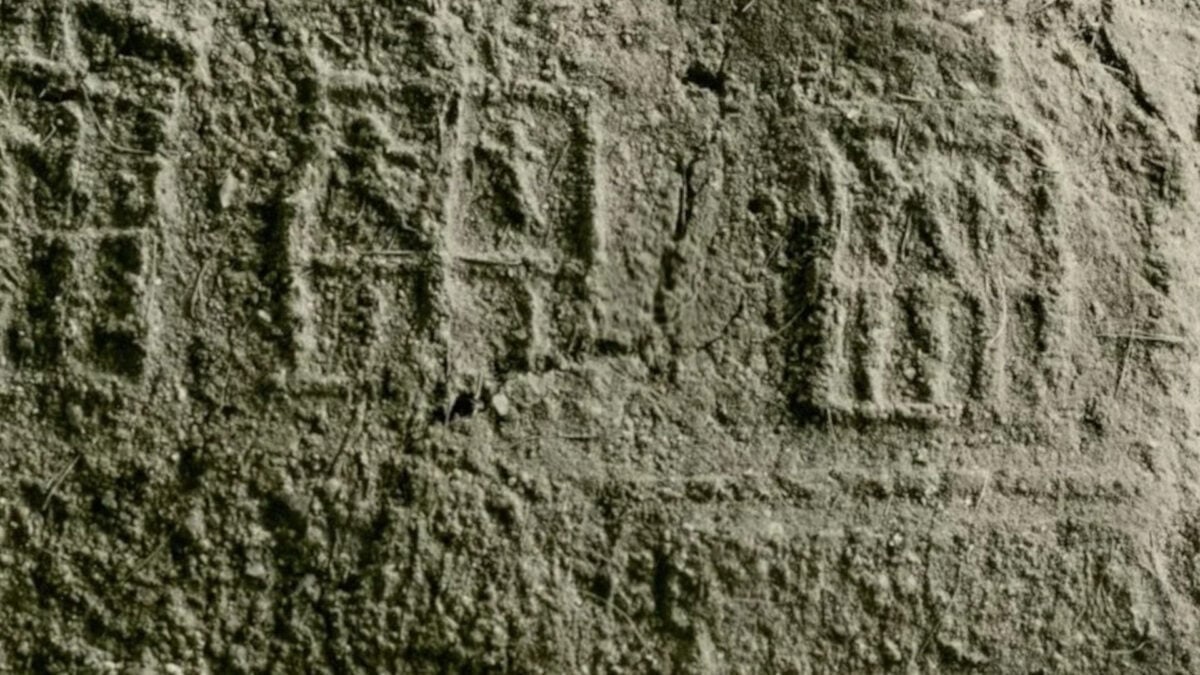
Former Texas land commissioner Jerry Patterson led a chant of “no damn wall,” asserting that no political party wants a wall in the park. Anthropologist Carolyn Boyd warned that the wall could destroy sacred rock art murals, describing them as “libraries of human knowledge” and “voices of 175 generations.” Other speakers highlighted the potential harm to bighorn sheep and black bears that rely on the river corridor.
Why It Matters
The proposed wall threatens to disrupt a unique ecological corridor and erase cultural sites that are sacred to Native American communities. The protest reflects a broader national debate over how to balance border security with environmental protection and respect for public lands.
What Happens Next
CBP has not confirmed whether the parks will be exempt from the wall, and the agency’s plans for “detection technology” remain vague. Opponents are calling on Congress to legislate a prohibition on building a physical wall through national and state parks. Meanwhile, the retirement of CBP’s Big Bend sector chief, Lloyd Easterling, has raised concerns among conservationists who had been working to ensure the park’s protection.
As the debate continues, local residents, environmentalists, and lawmakers will keep pressing for clarity and protection of the park’s natural and cultural resources. The outcome will shape not only the future of Big Bend but also the precedent for how federal border projects intersect with public lands nationwide.
For now, the protest stands as a testament to the power of bipartisan, community‑driven advocacy in influencing national policy decisions that affect cherished public spaces.
Why it matters
The proposed wall could irreparably damage a treasured national park, erasing wildlife habitats and sacred cultural sites, while the protest demonstrates the growing public pushback against federal overreach into protected lands.
Key points
- Over 2,000 Texans protested a steel wall in Big Bend National Park
- The wall would cut through critical wildlife corridors and sacred rock art sites
- Bipartisan support from Democrats, Republicans, and local residents
- CBP has revised its map but has not confirmed protection for the parks
- Opponents seek congressional legislation to ban walls in public lands
Frequently asked questions
What is the current status of the wall in Big Bend National Park?
CBP has updated its map to suggest the park would use technology only, but no definitive statement confirming protection has been issued.
Why are environmental groups opposed to the wall?
They cite threats to wildlife such as bighorn sheep and black bears, as well as the destruction of sacred Native American rock art.
What are the next steps for the protestors?
They are urging Congress to pass legislation that prohibits building a physical wall through national and state parks.