Brief
SpaceX launches Starfall return capsule on Bandwagon‑5 rideshare
The Starfall capsule, launched for the second time, will separate nearly three hours after liftoff as part of a 32‑payload mission.
By Felo News Desk · Published
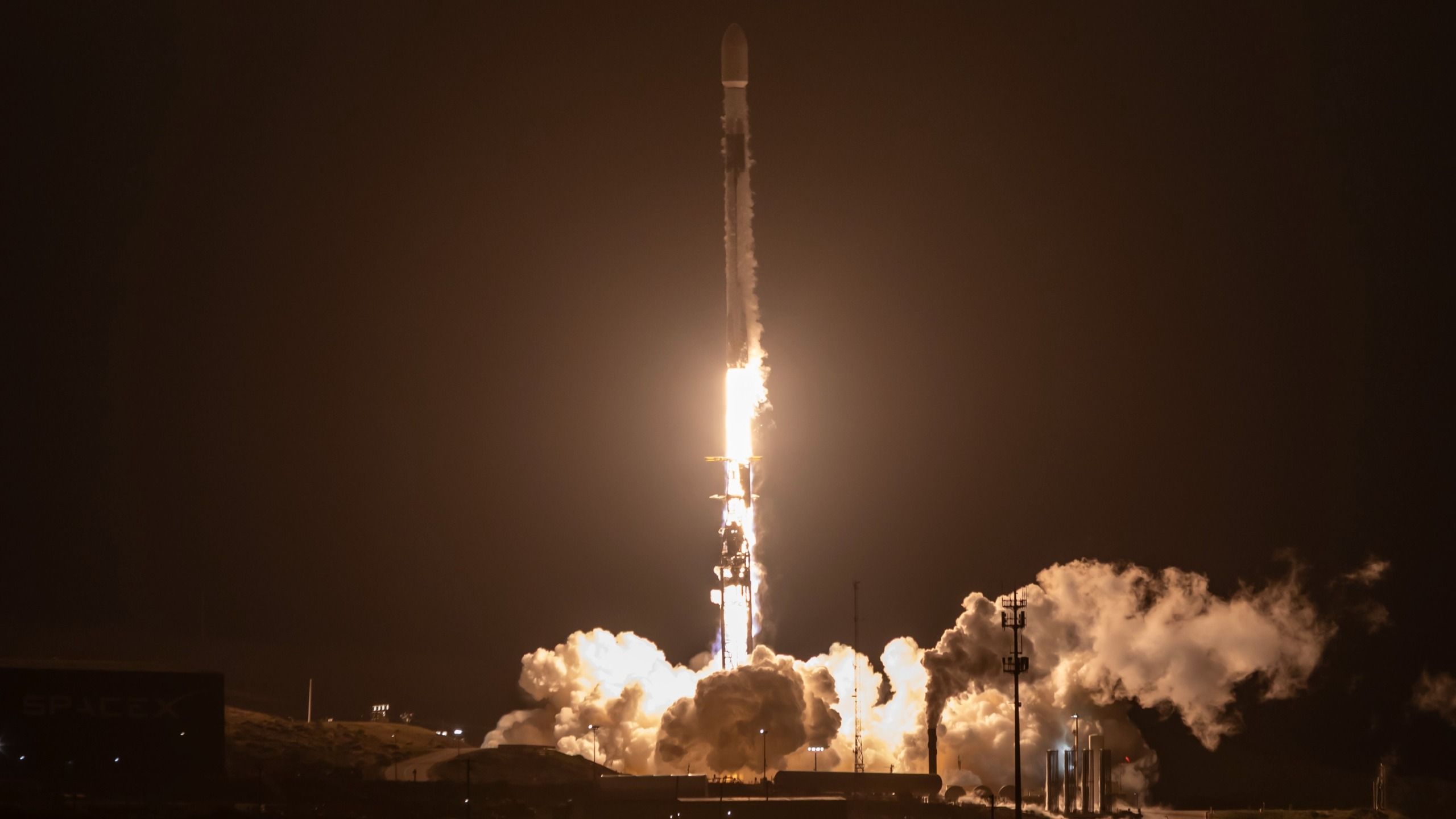
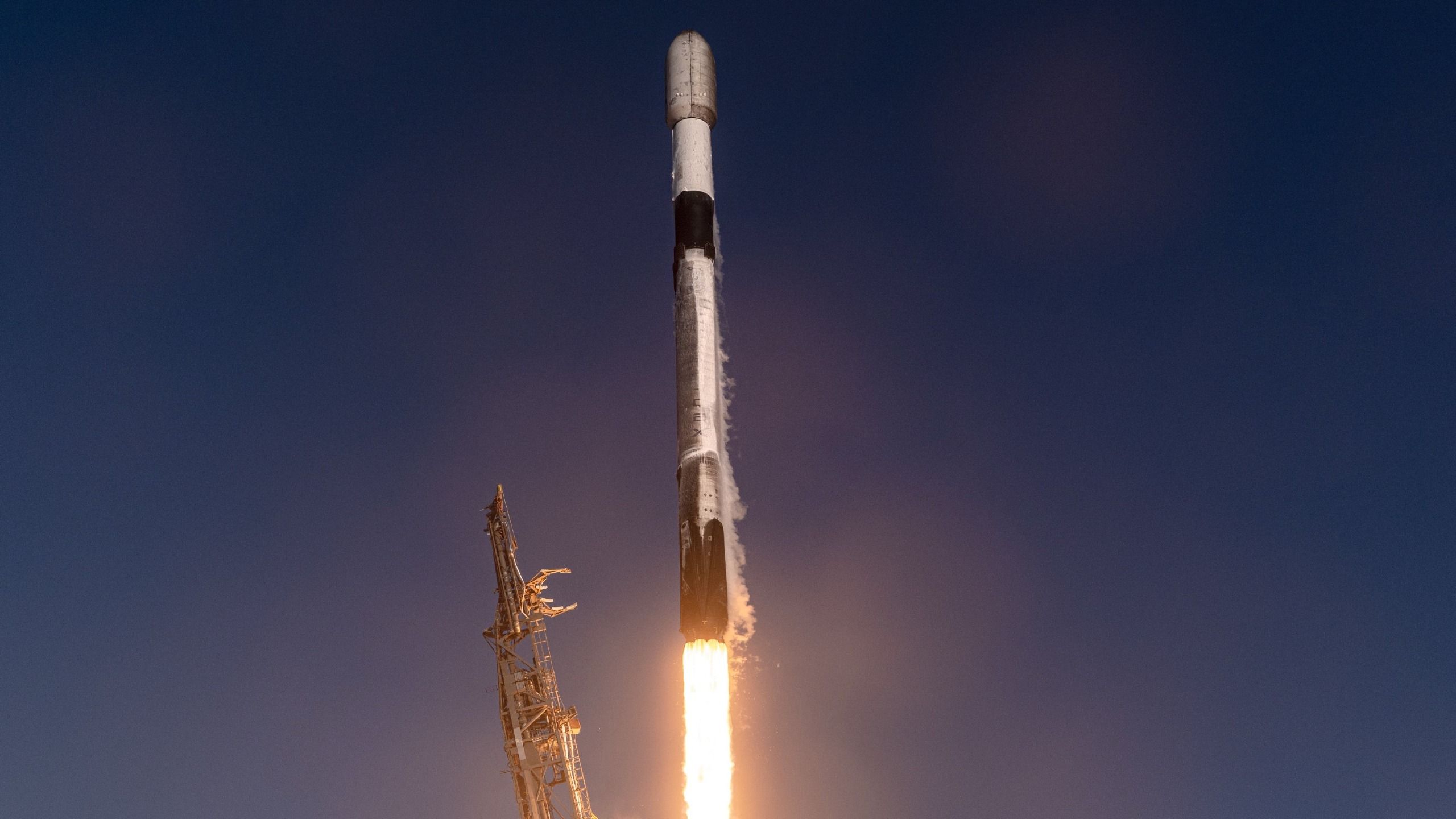
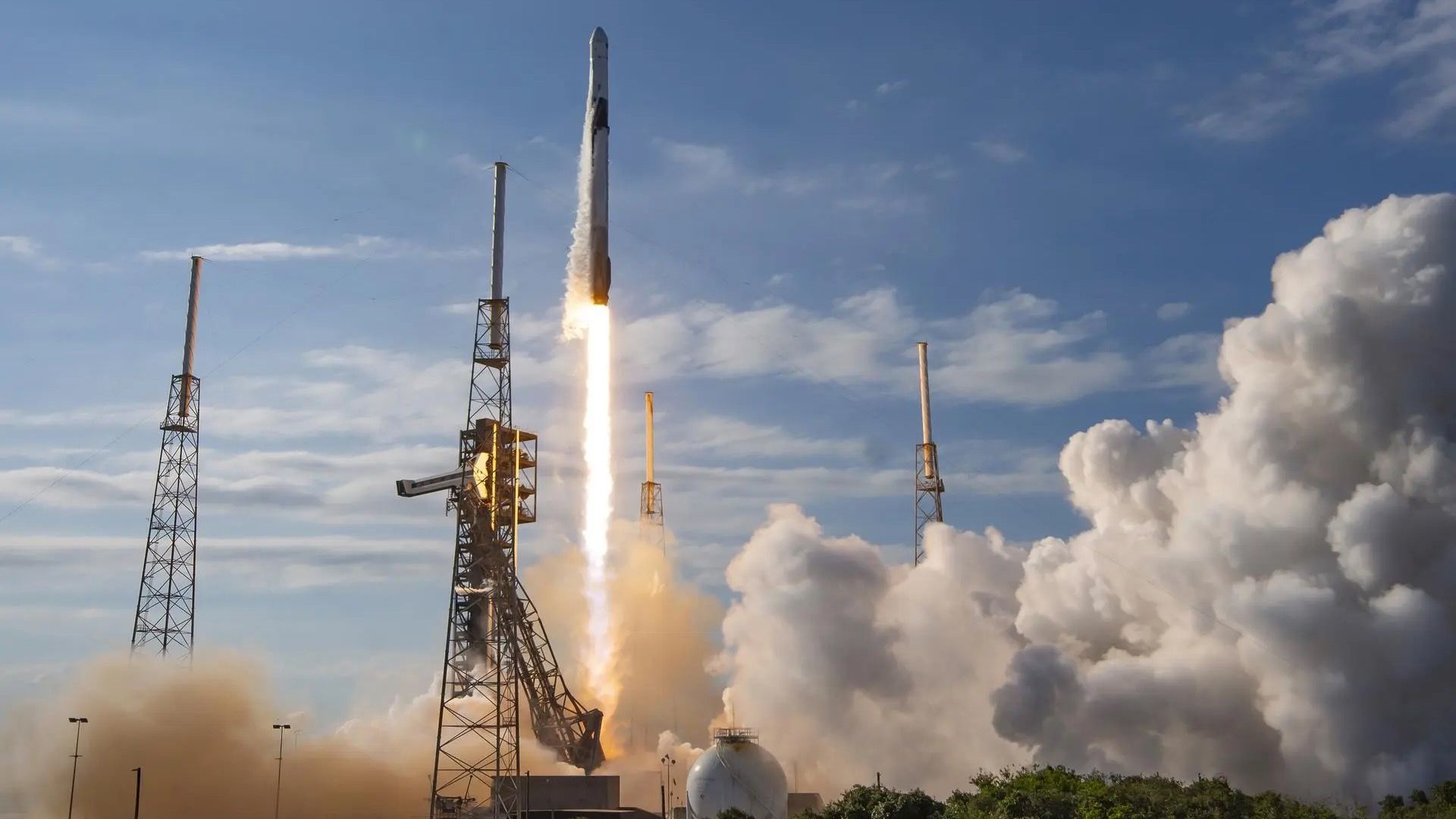
SpaceX launched a Falcon 9 from Cape Canaveral Space Force Station at 7:04 a.m. EDT (1104 GMT) on Oct. 20, carrying the Starfall return capsule and 31 additional payloads on the Bandwagon‑5 rideshare mission, according to Space.com.
What happened
The rocket lifted off at the scheduled time and began deploying its payloads about 57 minutes after launch. Over the next two hours the remaining 31 satellites and small spacecraft were released. Starfall, positioned at the top of the stack, was the final payload to separate, detaching from the Falcon 9’s upper stage two hours and 48 minutes after liftoff. The first stage of the booster performed a planned recovery, landing on the drone ship "A Shortfall of Gravitas" in the Atlantic Ocean about nine minutes after launch. This was the booster’s 19th flight.
What the reports add
Space.com notes that Starfall is a disk‑shaped capsule about 2.5 feet tall and 10.2 feet wide, weighing roughly 4,600 pounds and capable of returning up to 2,200 pounds of payload to Earth. The capsule’s purpose, as described in a June 23 SpaceX post, is to provide affordable, routine access to microgravity for scientific research and in‑space manufacturing. The article also identifies other notable payloads: Varda Space Industries’ W‑Series 7 mini‑factory, designed to produce and return goods such as pharmaceuticals, and Planet’s Pelican‑12 Earth‑observation satellite.
What was said
Space.com cites a June 23 SpaceX X post stating the capsule "will enable affordable, routine access to the microgravity environment for scientific research and in‑space manufacturing." No additional quotations are provided in the source.
How it came about
Starfall first flew on a dedicated demonstration mission on June 23, when SpaceX used a Falcon 9 to test the capsule’s controlled flight and atmospheric re‑entry. The current launch marks the second flight of the vehicle, part of SpaceX’s broader rideshare strategy that includes the Bandwagon and Transporter programs. Earlier this month Felo News reported on other SpaceX Falcon 9 launches, including a Starlink deployment on Oct. 13 and a classified USSF‑481 mission on Oct. 15, illustrating the company’s high launch cadence in 2026.
Key facts
- Starfall launched for the second time on Oct. 20, 2026. (space.com)
- The Falcon 9 lifted off at 7:04 a.m. EDT from Cape Canaveral. (space.com)
- Starfall separated 2 hours 48 minutes after liftoff, the last of 32 payloads. (space.com)
- Starfall is about 2.5 ft tall, 10.2 ft wide, weighs ~4,600 lb and can return 2,200 lb of cargo. (space.com)
- The booster’s first stage landed on the drone ship "A Shortfall of Gravitas" nine minutes after launch. (space.com)
Sources
- [1] space.com — originally reported as “SpaceX launches its 'Starfall' return capsule for 2nd time ever”