Brief
South Africans urged to rethink household costs
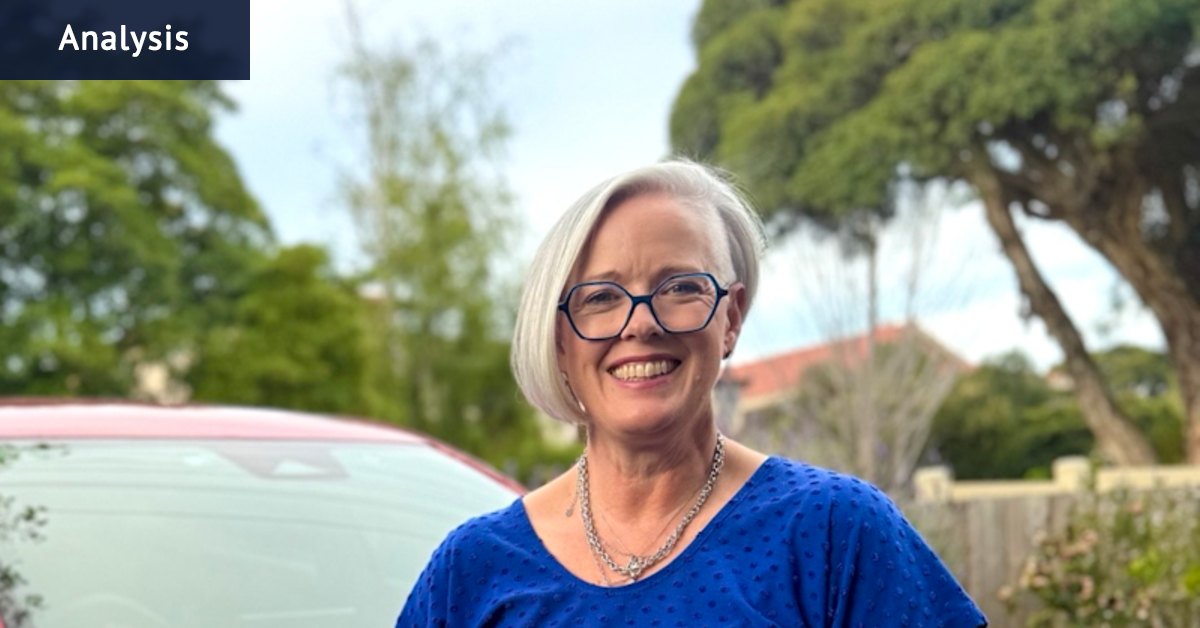
Stage Zero CEO Abraham van der Merwe says households must look beyond discretionary spending to manage recurring costs such as electricity and transport.
By Felo News Desk · Published
South African households are running out of easy expenses to cut, according to a Bizcommunity report on 12 October 2026. Rising borrowing costs, a 25‑basis‑point policy‑rate increase by the South African Reserve Bank in September and a petrol price rise of more than R3 per litre in October have intensified pressure on already stretched budgets.
What happened
Annual consumer inflation reached 4.4% in August, while transport inflation hit 8.8%, the article notes. The prime lending rate now stands at 10.75%. Consumers have already trimmed discretionary spending: NielsenIQ research shows 45% of shoppers cut food‑delivery and takeaway purchases, and TransUnion’s second‑quarter Consumer Pulse Study found 28% cancelled subscriptions or memberships.
What the reports add
Stage Zero, a consultancy focused on household finance, argues that the remaining cost pressures are largely unavoidable. It points to Eskom’s electricity tariffs, which have risen an average of 14.5% per year since 2008 – more than ten times the 2008 level – compared with overall consumer price inflation of about 2.5 times over the same period. The firm suggests solar‑plus‑battery subscriptions as a way to reduce grid electricity purchases without upfront capital outlay.
What was said
"For households already trying to absorb higher costs, there is a limit to how much discretionary spending can be cut," Abraham van der Merwe, chief executive officer at Stage Zero, told Bizcommunity. He added, "Cancelling a subscription can create an immediate saving, but households still need electricity and transport, and they still have debt repayments and other fixed commitments. When those costs rise, families have fewer places left to find meaningful savings." Van der Merwe also warned that subscription‑based solar plans must be sized to a household’s actual electricity use to avoid paying for excess capacity.
How it came about
The squeeze follows a series of macro‑economic moves: the Reserve Bank’s rate hike, record fuel price increases and sustained growth in regulated electricity tariffs. Earlier Felo coverage highlighted the broader financial strain on South Africans, including the impact of high utility costs on household budgets.
Key facts
- South African consumer inflation was 4.4% in August 2026. (bizcommunity.com)
- The prime lending rate rose to 10.75% after a 25‑basis‑point increase in September. (bizcommunity.com)
- Eskom’s standard electricity tariffs have risen an average of 14.5% per year since 2008. (bizcommunity.com)
- 45% of consumers cut food‑delivery and takeaway spending, according to NielsenIQ. (bizcommunity.com)
- 28% of consumers cancelled subscriptions or memberships, per TransUnion’s Consumer Pulse Study. (bizcommunity.com)
Sources
- [1] bizcommunity.com — originally reported as “South Africans urged to rethink household costs as easy savings dry up”