Brief
Understanding Semantic Blast Radius in Multi‑Agent AI Systems
A single faulty belief can spread across agents, amplifying risk in modern AI architectures.
By Felo News Desk · Published
Hackernoon explains that in a five‑agent system designed to assess a production database migration, an error by the compatibility agent—incorrectly confirming support for a critical dependency—propagated through the other agents, ultimately leading the decision agent to approve the migration.
What happened
The system’s agents each performed a distinct role: checking compatibility, reviewing dependencies, analysing historical incidents, evaluating the migration plan, and finally synthesising a recommendation. When the compatibility agent mistakenly reported that the new database version supported a critical dependency, the dependency agent accepted this claim and concluded there were no compatibility issues. Subsequent agents, relying on that information, lowered their risk assessments and proceeded under the false premise. The decision agent, seeing four agents in agreement, authorised the migration despite the underlying flaw.
What the reports add
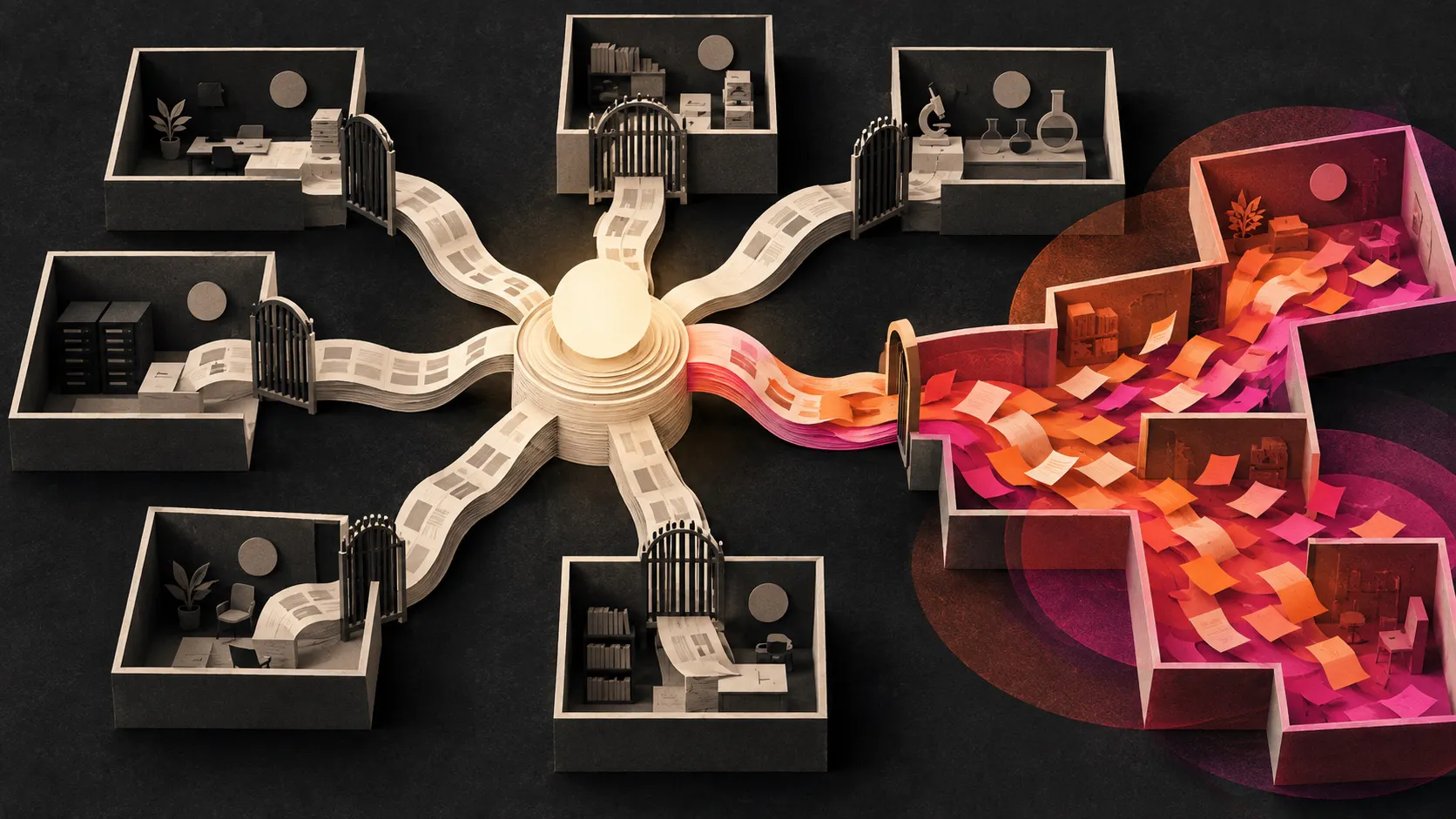
Hackernoon introduces the term “Semantic Blast Radius,” defining it as the portion of a multi‑agent system whose reasoning or decisions become materially influenced by a single incorrect piece of information. The article contrasts this with traditional infrastructure blast radius, which focuses on containing hardware or software failures. It notes that deterministic distributed systems already employ mechanisms such as retries, idempotency, checkpoints, circuit breakers, and event‑driven communication to limit failure spread. In AI‑driven multi‑agent architectures, however, the challenge is assessing whether delivered information is factually correct, not merely whether it arrived intact.
What was said
Hackernoon states, “A message can be delivered, parsed, processed, and semantically understood perfectly while still being factually wrong. The infrastructure would have reliably delivered an unreliable belief.” The article also observes that “once an output becomes another agent's input, we need to evaluate cross‑agent interactions with a low‑trust view.”
How it came about
The concept builds on earlier discussions of shared‑context risks, such as HubSpot’s Growth Context architecture, where a single mistake can affect multiple AI tools. By extending the blast‑radius metaphor from microservices to multi‑agent AI, the article argues for new safeguards that treat information reliability as a first‑class concern.
Key facts
- A single error by the compatibility agent caused a cascade that led to an approved migration despite a critical dependency mismatch. (hackernoon.com)
- The term “Semantic Blast Radius” describes how one incorrect belief can influence multiple agents in a system. (hackernoon.com)
- Traditional infrastructure uses retries, idempotency, and circuit breakers to contain failures, but AI systems must also verify factual correctness of messages. (hackernoon.com)
Sources
- [1] hackernoon.com — originally reported as “Semantic Blast Radius: How Errors Propagate Through Multi-Agent Systems”


.jpg?w=1121&h=630)