Saudi Arabia’s Nuclear Deal Sparks U.S. Intelligence Concerns
A classified U.S. intelligence assessment reveals that Saudi Arabia has not ruled out developing nuclear weapons, prompting congressional scrutiny of the Trump administration’s civilian nuclear cooperation deal. The agreement, which would allow U.S. companies to invest billions in Saudi nuclear pro…
By Felo News Desk · Published
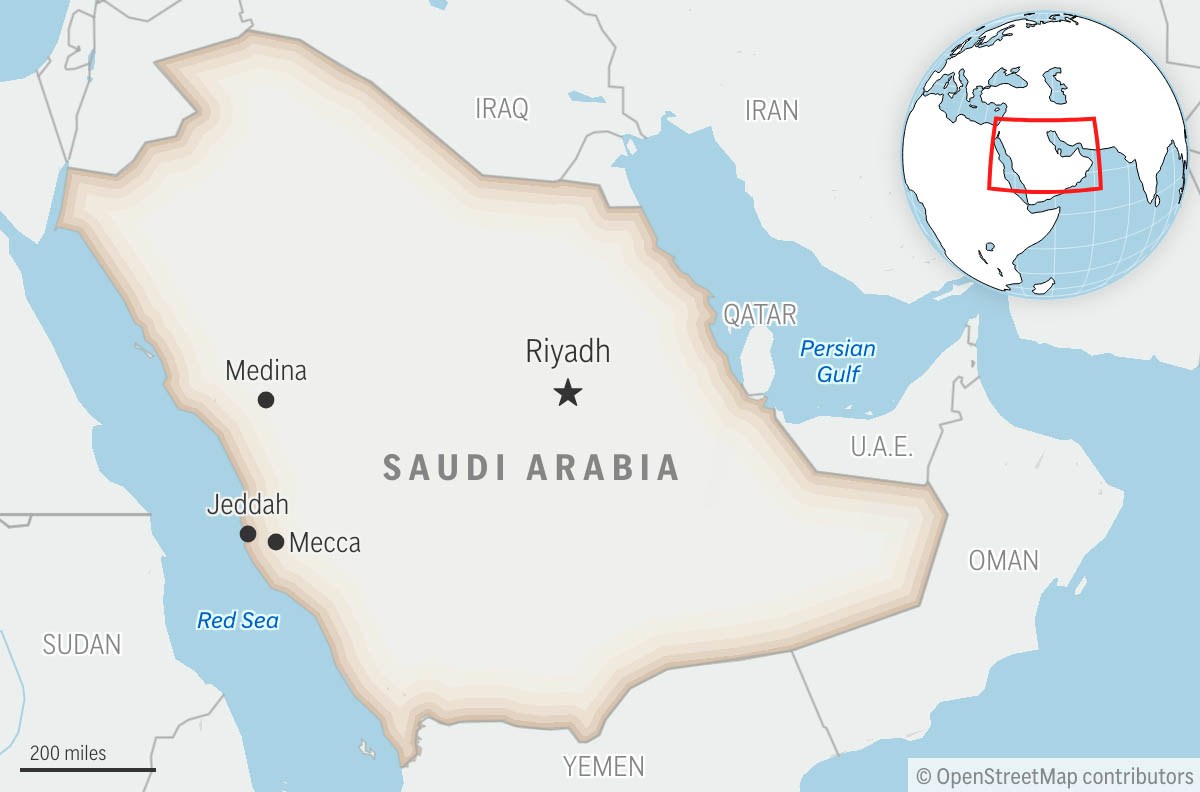
The United States and Saudi Arabia have entered into a controversial civilian nuclear cooperation agreement that could pave the way for the kingdom to develop nuclear energy projects worth tens of billions of dollars. However, a classified intelligence assessment released to Congress last month has raised alarm that Riyadh has not ruled out the possibility of using nuclear technology for weapons purposes. The revelation has intensified congressional debate over the deal and the broader implications for U.S. non‑proliferation policy.
What the Agreement Entails
The Trump administration’s deal, formalized under Section 123 of the Atomic Energy Act, permits American companies to participate in Saudi nuclear projects. Key provisions include:
- Initial limits on uranium enrichment to below 5% U‑235, which is considered “low‑enriched” and far from weapons‑grade material.
- A provision that, after a separate study and written agreement, could allow enrichment up to 20% U‑235. While still below the 90% threshold typically associated with weapons, 20% enrichment significantly reduces the technical hurdles required to produce weapons‑usable material.
- No requirement for Saudi Arabia to adopt the International Atomic Energy Agency’s (IAEA) Additional Protocol, which would grant inspectors broader access to nuclear facilities and undeclared sites.
Supporters argue that U.S. involvement will give Washington greater influence over Saudi nuclear activities and prevent the kingdom from turning to Russia or China for advanced technology. Critics, however, contend that the agreement departs from the “Gold Standard” of non‑proliferation, which would prohibit domestic enrichment and require the IAEA Additional Protocol.
Intelligence Assessment and Congressional Response
The classified assessment, which was shared with Congress but not released to the public, indicates that Saudi Arabia has not eliminated the option of developing nuclear weapons. The CIA declined to comment, and the Saudi government has not responded directly to the Washington Post’s inquiries. The assessment was part of a broader congressional review of the agreement, which is currently in a 90‑day evaluation period.
A bipartisan group of senators, led by Democrat Edward Markey and Republican Jeff Merkley, has written to Secretary of State Marco Rubio demanding the cancellation of the deal. They argue that the agreement’s relaxed restrictions represent a departure from precedent and could undermine global non‑proliferation efforts. The letter was signed by Senators Tim Kaine, Chris Van Hollen, Peter Welch and Ron Wyden, among others.
Broader Geopolitical Context
Saudi Arabia’s nuclear ambitions are intertwined with its regional strategy. The kingdom has long sought to diversify its economy and reduce dependence on oil revenues. Nuclear energy is seen as a key component of that diversification. At the same time, the kingdom has expressed a willingness to normalize relations with Israel only if progress is made toward a Palestinian state, adding another layer of diplomatic complexity to the nuclear agreement.
The U.S. has historically maintained a cautious stance toward Saudi nuclear development, citing the kingdom’s status as a Nuclear Non‑Proliferation Treaty (NPT) signatory and its obligations under IAEA safeguards. The new agreement, however, has raised concerns that the U.S. might be compromising its non‑proliferation commitments in pursuit of economic and strategic gains.
What Happens Next?
Congress remains in a 90‑day review period, during which lawmakers may introduce legislation to reject the agreement. Any such legislation would require a two‑thirds majority to override a presidential veto. Meanwhile, the Trump administration maintains that the deal strengthens U.S.-Saudi ties and provides a framework for peaceful nuclear cooperation.
As the debate continues, the key question remains: can the United States balance its economic interests with its non‑proliferation responsibilities without compromising global security? The outcome of this debate will shape the future of U.S. nuclear diplomacy in the Middle East.
Key facts
- Saudi Arabia has not ruled out nuclear weapons per classified U.S. assessment
- Trump-era deal permits U.S. investment in Saudi nuclear projects with enrichment up to 20%
- Agreement lacks IAEA Additional Protocol, raising inspection concerns
- Congressional debate over deal’s alignment with non‑proliferation standards
- Deal tied to Saudi normalization of relations with Israel
Why it matters
The agreement could set a new precedent for civilian nuclear cooperation with a major Middle Eastern power, potentially easing the path to weapons‑grade material and challenging U.S. non‑proliferation commitments.
Frequently asked questions
What is the significance of the 20% enrichment limit?
While below weapons‑grade levels, 20% enrichment significantly reduces the time and expertise required to produce weapons‑usable material.
Why is the IAEA Additional Protocol important?
It grants inspectors broader access to nuclear facilities, enhancing transparency and reducing proliferation risks.
Can Congress override the agreement?
Yes, but it would require a two‑thirds majority to override a presidential veto.
How does this deal affect U.S. relations with Saudi Arabia?
It is intended to strengthen ties and prevent Saudi reliance on Russia or China for nuclear technology.
What is the “Gold Standard” of non‑proliferation?
It prohibits domestic enrichment and plutonium reprocessing and requires the IAEA Additional Protocol.
Sources
- [1] gulfnews.com — originally reported as “Saudi Arabia’s Nuclear Ambitions Raise US Intelligence Concerns Over Trump-Era Atomic Deal”