Brief
Oil exports from the Persian Gulf rise to 72% of pre‑war levels amid US blockade
U.S. officials say the blockade is straining Iran while oil exports climb, potentially boosting America’s negotiating power.
By Felo News Desk · Published
Oil exports from the Persian Gulf have climbed to 72% of pre‑war levels, analysts say, as the United States tightens its naval blockade of Iran. The increase comes even as Tehran’s economy shows signs of strain, with officials describing the country as "exhausted" by the blockade.
According to maritime tracker Kpler, crude exports through the Strait of Hormuz averaged more than 13 million barrels a day in September, the highest monthly flow since the war began. U.S. Central Command has reported that American forces have supported the transit of 1 billion barrels of oil through the strait in the last two months, while Iranian officials claim the country has exported none due to the blockade.
U.S. officials told the New York Post that as oil exports continue to rise, America’s negotiating power increases. President Trump has reportedly offered sanctions relief and the release of frozen assets to Tehran in exchange for a concrete nuclear deal, a U.S. official said. Hard‑liners in Iran, however, have rejected such conditions and called on the country to end any cooperation on the Nuclear Non‑Proliferation Treaty.
The blockade has also taken a toll on Iran’s domestic economy. The rial has fallen to a new low of 2.45 million to the U.S. dollar, a sharp decline from the 42,000 rials per dollar recorded a year ago. Treasury Secretary Scott Bessent wrote on X that "Operation Economic Outcast" has pushed the rial to record lows and that the U.S. will continue to degrade the regime’s ability to fund terrorism and develop a nuclear weapon.
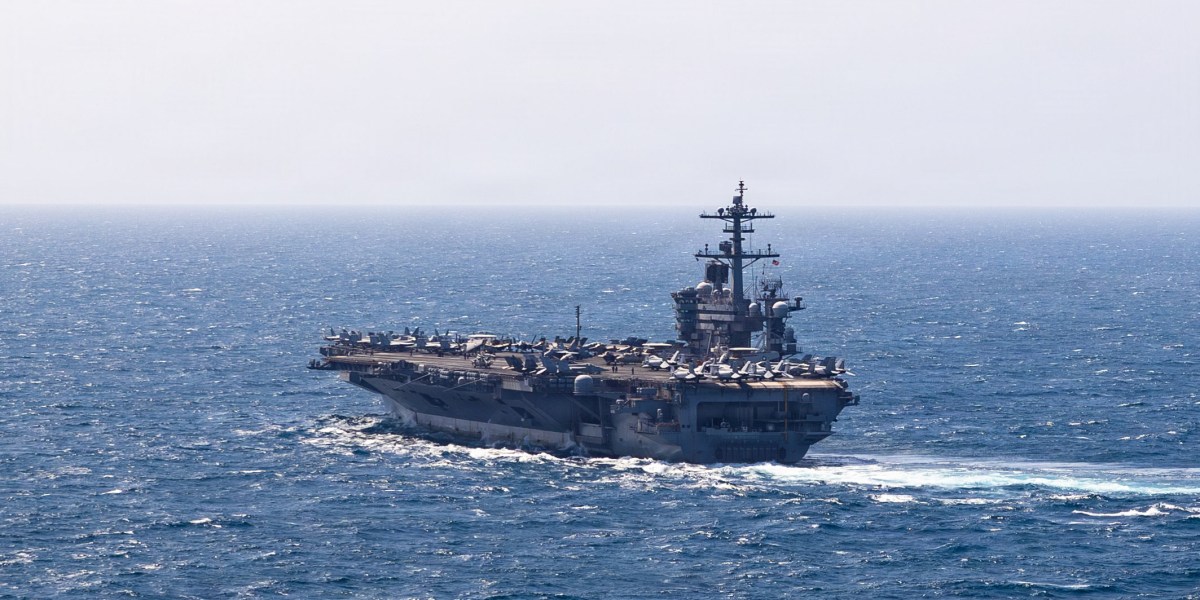
Oil tankers are slipping through the Strait of Hormuz under U.S. protection or via ship‑to‑ship transfers along the Gulf of Oman. The U.S. has also been involved in recent incidents, such as the denial of Iran’s claim that the Panama‑flagged tanker El Gaia struck a mine, with U.S. Central Command attributing the damage to Iranian missiles and a drone.
Key facts
- Oil exports from the Persian Gulf rose to 72% of pre‑war levels (nypost.com)
- Crude exports averaged more than 13 million barrels a day in September (nypost.com)
- U.S. Central Command claims 1 billion barrels moved through the Strait of Hormuz in two months (nypost.com)
- Iran’s rial fell to 2.45 million to the U.S. dollar (nypost.com)
- U.S. officials say the blockade is straining Iran and boosting U.S. negotiating power (nypost.com)
Background
Felo News reported on 17 September that Iran’s trade collapsed under the U.S. blockade, with truck jams and rising import costs. On 18 September, a U.S.–Iran standoff was highlighted in the UAE, affecting flights and shipping. Earlier incidents, such as the El Gaia tanker attack, underscored the risks to maritime traffic.
Timeline
- 2026-09-17 — Iran’s trade collapsed under U.S. blockade
- 2026-09-18 — U.S.–Iran standoff escalates, affecting UAE residents
- 2026-09-19 — U.S. Central Command reports 1 billion barrels moved through Hormuz
Why it matters
The rebound in oil exports signals a shift in regional maritime dynamics while the blockade continues to pressure Iran’s economy.
What happens next
U.S. officials are reportedly preparing to offer sanctions relief in exchange for a nuclear deal, while Iran’s hard‑liners reject such terms.
Sources
- [1] nypost.com — originally reported as “Persian Gulf oil exports hit 72% of prewar levels — as US says Iran is ‘exhausted’ by blockade”