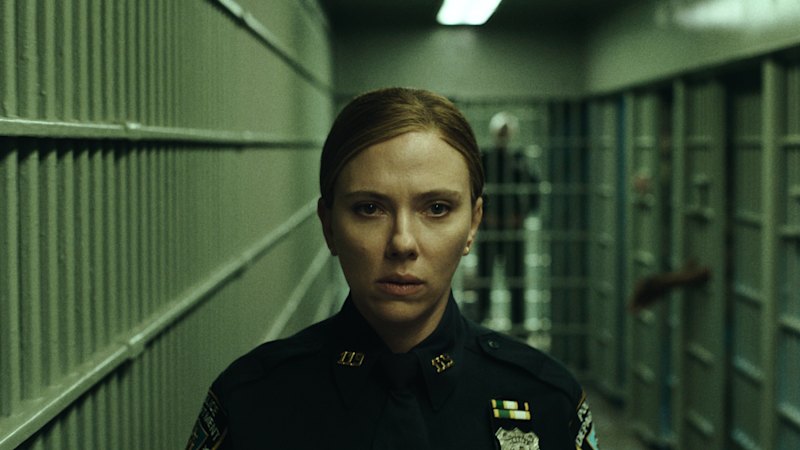
Never After Dark: A Bright Take on Horror
"Never After Dark" redefines horror by using bright interiors and a unique spiritual framework. Director Dave Boyle blends Japanese culture with American filmmaking to deliver a fresh, unsettling experience.
By Felo News Desk · Published
"Never After Dark" arrives in theaters this Friday through Magnolia Pictures and Magnet Releasing, offering a horror experience that refuses to stay in the shadows. Instead of the genre’s traditional dim lighting, the film’s scenes are often set in well‑lit interiors, creating a tactile, almost comforting atmosphere that gradually turns unsettling.
Bright Light, Dark Secrets
Director and writer Dave Boyle explains that the film’s visual style is intentional. He wanted to evoke darkness through light rather than simply dwell in it. “There’s something very tactile and direct, and a lot of it takes place during the day or at least fairly bright interiors,” Boyle says. He believes that realistic lighting can feel unsatisfying, so he opts for evocative, dramatic illumination that hints at the unseen.
The story follows Airi, played by Moeka Hoshi, a medium tasked with exorcising a house that seems to harbor more darkness than she’s ever encountered. Boyle’s approach to the plot is to keep the audience in suspense, avoiding spoilers that could ruin the surprise. He was motivated by a love for ghost stories and haunted house tales, but felt that many end in predictable ways. “I wanted to come up with something that felt like a comforting retreat of the genre at first, but could end in a different way than they usually do,” he says.
A New Spiritual Framework
Rather than relying on exposition, Boyle wanted to show a new belief system on screen, complete with tools, processes, and underlying principles. He aims for answers that hit hard, asking when you pull the rug out from under people. The film’s tension builds as Airi’s routine work becomes increasingly disorienting, culminating in a moment that feels like a splash of cold water in a warm bath.
Boyle describes this as a deliberate feeling of being a little lost, calibrating each step to keep viewers engaged. He says the experience is like feeling your way through a dark hallway, only to be suddenly confronted with a sharp, unexpected twist.
Cross‑Cultural Collaboration
Although an American‑born filmmaker, Boyle chose to shoot the movie in Japan with local talent speaking Japanese. His respect for Japanese culture stems from a Mormon mission at 19, where he moved to Sydney and learned the language. He later worked on the Netflix series "House of Ninjas," which was his first full‑time project in Japan and introduced him to Japanese actors and producers.
During the series, Boyle met Kento Kaku, who later became a producer on the German series "Dark" and an actor. Kaku has been a primary creative partner for both projects. They collaborate closely on scripts, reviewing every line with a red pen to ensure authenticity. Boyle notes that even though he speaks Japanese, he approached the writing room with humility, asking for feedback and making sure his work felt natural.
Legacy of Second‑Language Filmmakers
Boyle believes his work reflects a lineage of filmmakers who created masterpieces in a language that was not their native tongue. He cites Hollywood auteurs who worked in their second language as examples of how this experience can deepen appreciation for storytelling. While he doesn’t see his approach as unusual, he acknowledges that it offers a fresh perspective on classic horror tropes.
As the film opens, audiences will find themselves drawn into a world where bright light masks hidden horrors, a new spiritual practice is revealed, and cross‑cultural collaboration shapes every frame. The result is a horror experience that feels both familiar and startlingly original.
What’s Next?
With its release, "Never After Dark" invites viewers to rethink what horror can be. The film’s unique blend of light, belief, and cultural nuance sets it apart from conventional haunted house narratives, promising a fresh take that will likely spark discussion among horror enthusiasts and film scholars alike.
Key facts
- Bright, well‑lit scenes create a tactile horror atmosphere
- A new spiritual system is showcased without heavy exposition
- Director Dave Boyle blends Japanese culture with American filmmaking
- Collaboration with Japanese talent ensures authenticity
- The film offers a fresh twist on classic haunted house tropes
Why it matters
By challenging the genre’s reliance on darkness and predictable endings, "Never After Dark" expands the boundaries of horror, offering audiences a fresh, culturally rich experience that invites new ways of storytelling.
Frequently asked questions
When will "Never After Dark" be released?
The film opens in theaters on Friday through Magnolia Pictures and Magnet Releasing.
Who stars in the film?
Moeka Hoshi plays the medium Airi, the central character.
What makes the film’s lighting unique?
It uses bright, evocative lighting to suggest darkness rather than dwell in it.
How was the script developed?
Director Dave Boyle and producer Kento Kaku collaborated closely, reviewing each line to maintain authenticity.
Sources
- [1] variety.com — originally reported as “How ‘Never After Dark’ Dodges Horror Clichés: Shoot Well-Lit Scenes, Challenge Conventional Storytelling and ‘Pull the Rug Out From Under People’”