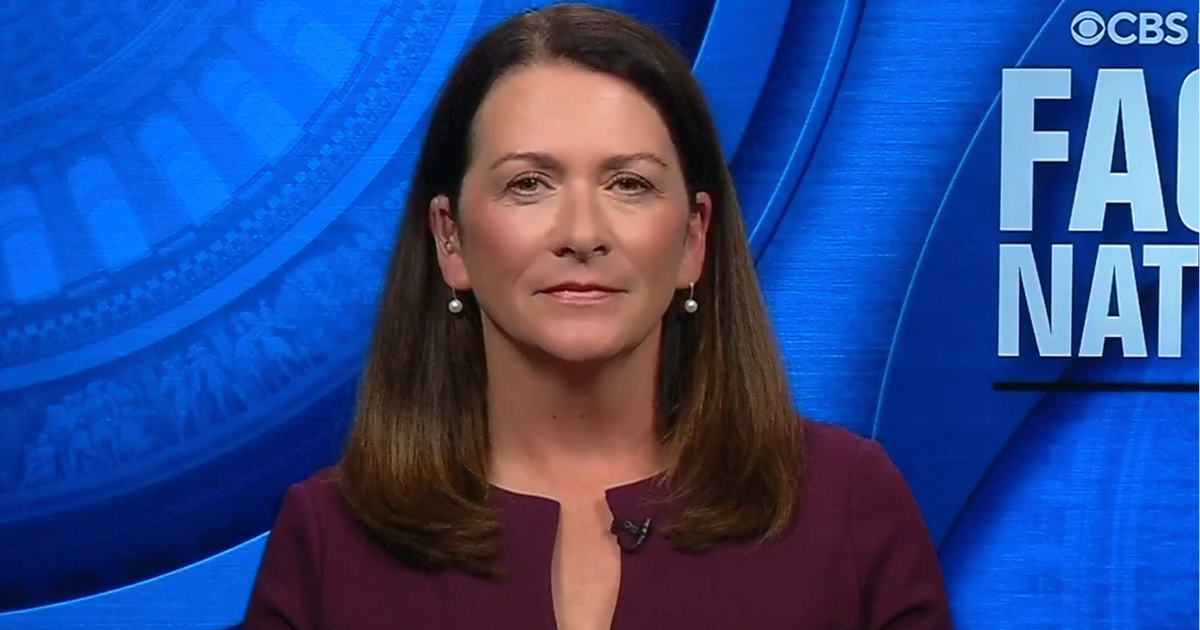
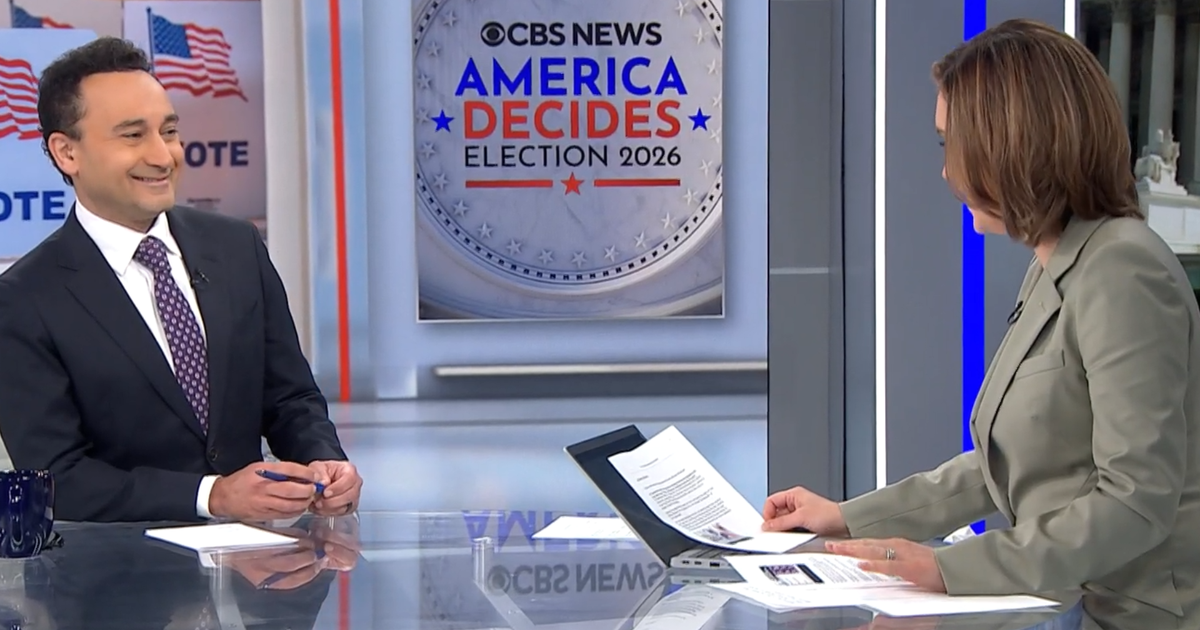
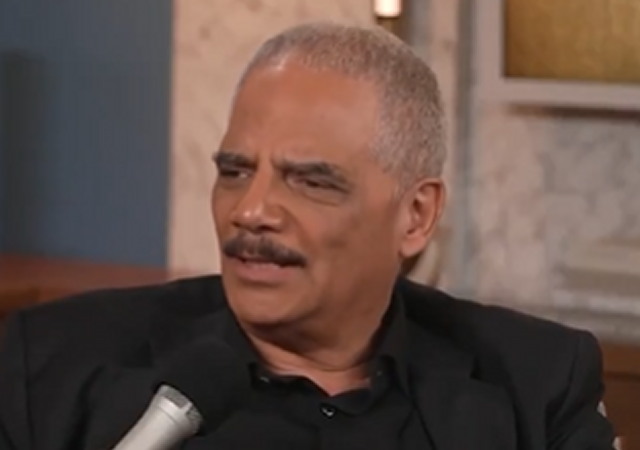
Brad Smith, Treasury Secretary Bessent and Rep. Jeffries address tech outages and economic resilience on Face the Nation
The three officials explained the cause of a 24‑hour Microsoft outage, warned about banking software glitches and outlined plans to tackle cost‑of‑living pressures.
By Felo News Desk · Published
On November 22, 2026, Microsoft president Brad Smith, Treasury Secretary Scott Bessent and House Minority Leader Hakeem Jeffries each appeared on CBS’s "Face the Nation" with Margaret Brennan to discuss recent technology disruptions and their broader economic impact.
What happened
Microsoft experienced a global outage lasting roughly 24 hours around November 12, affecting corporate email systems, including newsrooms. Smith said the disruption stemmed from a software update applied four months earlier that interacted poorly with other systems, not from a cyberattack or artificial‑intelligence malfunction. Treasury Secretary Bessent referenced a separate incident in which banks faced technical glitches after security patches were applied, leading to cash‑withdrawal problems for thousands of customers. Jeffries highlighted voter‑survey data showing 89% of Americans cited cost of living and 90% cited corruption as decisive issues, framing his upcoming legislative agenda.
What the reports add
Smith’s interview, as reported by CBS, emphasized that Microsoft’s response included an apology and a commitment to prevent recurrence, while explicitly denying any AI involvement. Bessent, also via CBS, stressed that U.S. banks have long‑standing cybersecurity practices and that the recent banking glitches were unintended side effects of security‑patch deployments. Jeffries, in his CBS interview, focused on the political implications of cost‑of‑living concerns, stating that his first legislative priority would be affordability and accountability, and asserting that the high cost of living prevents many Americans from thriving.
What was said
"It was not linked to AI. It wasn't a cyberattack. It was basically a perfect storm of software that was updated four months earlier," Smith told Brennan, according to the CBS transcript.
"The banks have been at the forefront of cybersecurity for decades… what we are seeing as they go into patch their security systems, the patches may cause a glitch," Bessent said in his interview.
"We have to drive down the high cost of living. Life is way too expensive. There are far too many people who are working hard, they're playing by the rules, they can't thrive, and they can barely survive," Jeffries said.
How it came about
Microsoft’s outage follows earlier concerns about AI safety raised by the company’s president in a BBC interview on October 12, 2026, where Smith called for global AI safety standards. The banking software glitches occur amid ongoing discussions of financial‑sector resilience, a theme also present in Treasury Secretary Bessent’s earlier remarks on the need for robust cybersecurity. Jeffries’ focus on cost‑of‑living issues connects to Felo’s November 8 coverage of Democratic leaders outlining policy agendas to address affordability and corruption concerns.
Key facts
- Microsoft’s 24‑hour global outage on November 12 was caused by a software update, not an AI issue or cyberattack. (cbsnews.com)
- Treasury Secretary Scott Bessent said recent banking glitches were due to security‑patch interactions, not a systemic failure. (cbsnews.com)
- House Minority Leader Hakeem Jeffries said 89% of voters cited cost of living and 90% cited corruption as key issues. (cbsnews.com)
Timeline
- 2026-10-12 — Brad Smith called for AI safety regulations in a BBC interview.
- 2026-11-08 — Democratic leaders discussed affordability and anti‑corruption policies on Face the Nation.
- 2026-11-22 — Brad Smith, Scott Bessent and Hakeem Jeffries appeared on Face the Nation.
Sources
- [1] cbsnews.com
- [2] cbsnews.com
- [3] cbsnews.com