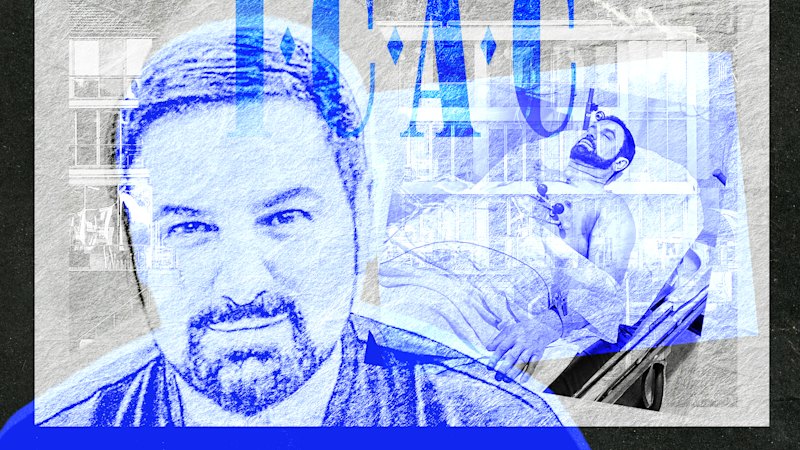
Mexico erupts and World Cup security fears rise after a cartel boss’s killing
The killing of CJNG leader Nemesio “El Mencho” Oseguera triggered widespread road blockades and arson across Jalisco, prompting red‑alert measures and the postponement of local football games. Authorities and FIFA now face heightened pressure to guarantee safety for the 2026 World Cup matches sched…
On Sunday, a burning bus blocked the sole access road to Estadio Akron, the Guadalajara stadium slated to host four group‑stage matches of the 2026 FIFA World Cup. The blaze was not an isolated traffic jam; it was part of a wave of "narcobloqueos" – road blockades and vehicle arsons – launched by the Cártel de Jalisco Nueva Generación (CJNG) after Mexican federal forces killed its leader, Nemesio “El Mencho” Oseguera Cervantes.
Immediate fallout across Jalisco
Within hours of the operation that eliminated El Mencho, CJNG members set fire to buses, taxis and even a Costco store in Puerto Vallarta. The group also targeted smaller retailers, corner shops and a go‑kart track named after Formula One driver Sergio “Checo” Pérez. Jalisco’s state government declared a red‑alert protocol, urging residents to stay home, shuttering bars and restaurants, and suspending sporting events. The women’s Clásico Nacional between Chivas de Guadalajara and Club América was postponed, and a Liga MX match in Querétaro—more than 200 miles away—was also called off.
Reports indicate that similar blockades have been reported in at least eight Mexican states, underscoring the CJNG’s capacity to disrupt transportation and commerce on a national scale.
Historical context of cartel‑related stadium incidents
Mexico’s fear of violence spilling into football venues is not new. In August 2011, gunfire erupted outside Santos Laguna’s Estadio Corona, forcing players and fans to flee the pitch and seek shelter in locker rooms. While the shooting occurred outside the stadium, the incident highlighted the vulnerability of large‑scale sporting events to organized‑crime intimidation.
More recent examples include the 2019 “Culicanazo,” when the Sinaloa Cartel blocked roads and fired weapons across Culiacán after authorities attempted to arrest Ovidio Guzmán López, son of Joaquín “El Chapo” Guzmán. The episode forced the Mexican government to release the suspect to avoid a full‑blown urban battle.
In the state of Sinaloa, second‑division club Dorados has been unable to host a true home match since October 2024 because of ongoing cartel clashes, forcing the team to relocate temporarily to Baja California. These precedents have kept security experts wary of any large gathering that could become a target for criminal groups seeking to demonstrate power.
Government and FIFA response ahead of the World Cup
Mexico’s president, Claudia Sheinbaum, has repeatedly emphasized a coordinated security plan involving federal, state and municipal police forces. In late 2025, she announced the installation of thousands of surveillance cameras, the acquisition of new law‑enforcement vehicles, and the deployment of technology to detect unauthorized drones over stadium perimeters.
FIFA’s Mexico office, led by executive director Jürgen Mainka, has also been vocal about its confidence in the security framework. Mainka told reporters in November 2025 that three years of collaboration with Mexican authorities had produced a comprehensive protocol designed to protect fans, teams and officials during the tournament.
Nevertheless, the images of burning buses and blocked highways that spread across social media on Sunday have shaken confidence among potential visitors from South Korea, Colombia, Uruguay, Spain and other nations planning to attend matches in Jalisco. The visual reminder of the Culicanazo has raised the specter of a repeat scenario during a globally televised event.
Political calculations and international pressure
According to Mexican security columnist Óscar Balderas, a high‑level source claimed Mexico asked the United States not to pursue El Mencho before the World Cup, fearing that a high‑profile operation could trigger a CJNG‑style crisis in host cities. Unconfirmed reports suggest U.S. pressure may have contributed to the timing of the Mexican raid.
The episode illustrates the delicate balance President Sheinbaum must maintain between domestic security priorities and the diplomatic expectations of the United States, especially under the watchful eye of FIFA president Gianni Infantino, who has cultivated relationships with both Mexican and American leaders.
As the tournament approaches, the central question remains: can Mexican authorities contain the CJNG’s retaliatory tactics and guarantee a safe environment for the estimated hundreds of thousands of international fans expected to converge on venues like Estadio Akron?
What lies ahead
Security experts warn that any perceived weakness could embolden criminal groups to repeat blockades, especially if they view the World Cup as an opportunity to gain media attention. The government has pledged to increase police presence, expand intelligence sharing with U.S. agencies, and enforce stricter traffic controls around stadiums during match days.
Fans are advised to monitor official travel advisories, register with their embassies, and stay informed about local security updates. The success or failure of Mexico’s security strategy will not only affect the World Cup’s reputation but also shape future decisions about awarding major sporting events to nations grappling with organized‑crime challenges.
Why it matters
The incident tests Mexico's ability to secure a high‑profile global tournament while confronting powerful drug cartels, influencing both the country's international image and future event hosting prospects.
Key points
- El Mencho's killing sparked widespread narcobloqueos across Jalisco and eight other states
- Local football matches, including a women's Clásico Nacional, were postponed
- Mexico and FIFA have announced extensive security upgrades, but doubts remain
- Historical cartel‑related stadium incidents raise fears of similar disruptions during the World Cup
- International observers worry the violence could deter tourists and damage Mexico's reputation
Frequently asked questions
What is a narcobloqueo?
A narcobloqueo is a tactic used by Mexican drug cartels that involves blocking roads with burning vehicles, hijacked buses or trucks, and sometimes arson, to disrupt normal activity and demonstrate power.
Will the 2026 World Cup matches in Guadalajara be cancelled?
At present, Mexican authorities and FIFA say the matches will go ahead, but they are monitoring the security situation closely and have contingency plans in place.
How did the killing of El Mencho affect everyday life in Jalisco?
The operation triggered citywide red‑alert protocols, forced businesses to close, halted public transportation, and led to the postponement of several sporting events.