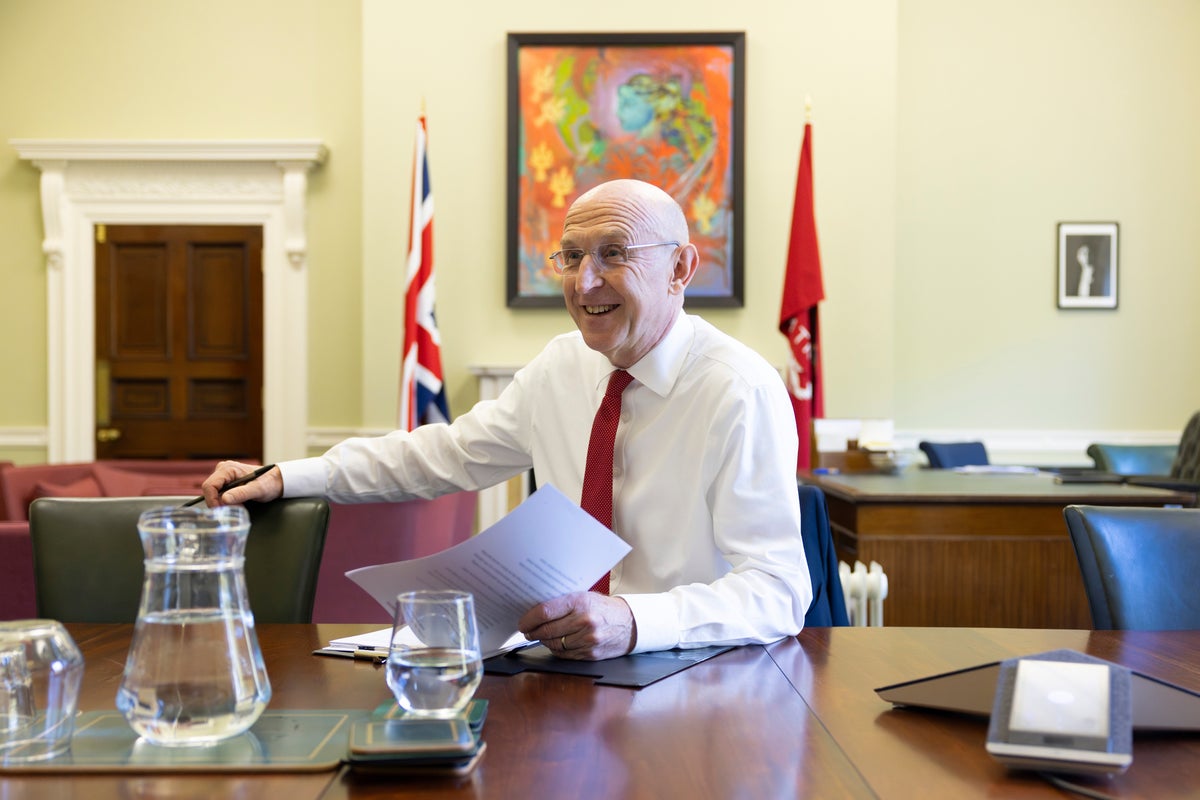
Chancellor John Healey outlines defence boost and energy relief in first budget
The budget pairs a long‑term defence commitment with short‑term energy bill aid, while trimming the government's fiscal buffer.
By Felo News Desk · Published
Chancellor John Healey presented his inaugural budget on 28 October 2026, promising a rise in defence spending to 3 percent of national income by 2030 and a £100 winter‑energy‑bill credit for roughly 20 million households in lower council‑tax bands.
What happened
Healey announced that the government will fund the energy‑bill credit through a modest levy on banks, a move that prompted a modest rise in bank share prices. The budget also set the fiscal headroom – the buffer above spending rules – at £15 billion for 2029‑30, down from the £22 billion target set by his predecessor Rachel Reeves, with a promise to restore the higher level in 2030‑31.
Energy measures include scrapping standing charges on gas from the following year, shifting fixed costs onto unit rates, and extending a VAT cut on electricity that will shave about £50 off the annual price cap. The Treasury estimates the combined reforms could save an average household £45 a year, while the £100 payment will reach households in council‑tax bands A to D.
What the reports add
The Independent highlighted that the defence commitment is the “real rabbit” of the budget, noting that the target was previously linked to Healey’s resignation as defence secretary under Keir Starmer. It also mentioned that the bank levy is deliberately small, eliciting only a sigh of relief from the City.
The Evening Standard, citing the Press Association, detailed the reduction in fiscal headroom and the specific energy‑bill reforms, including the removal of the Gas Shipper Obligation levy and its replacement with general taxation.
What was said
Healey told the Commons that the budget is intended to give “breathing space now and hope for the future,” a phrase also used in his pre‑budget video released the day before. The Treasury said the energy reforms could cut household bills by up to 60 percent of the current average cost.
How it came about
Healey’s budget follows the announcement on 12 October that he would deliver the Autumn Budget, a session expected to address pension reform and tax policy. A day earlier, he released a video promising “hope for the future” and a 4 percent minimum‑wage rise, while also flagging the defence spending target that was later confirmed in the budget. Earlier coverage also noted the SNP’s call for a £300 reduction in energy bills, a demand that shaped the energy‑relief measures announced.
Key facts
- Defence spending is pledged to reach 3% of GDP by 2030. (independent.co.uk)
- £100 energy‑bill credit will be paid to about 20 million households in council‑tax bands A‑D. (standard.co.uk)
- Fiscal headroom is set at £15 billion for 2029‑30, lower than the £22 billion target of the previous chancellor. (standard.co.uk)
- Standing charges on gas will be removed from next year, with fixed costs shifted to unit rates. (standard.co.uk)
- A modest tax on banks will fund the energy‑bill credit. (independent.co.uk)
Background
Healey’s budget was previewed in Felo’s 12 October article on the upcoming Autumn Budget and in a 27 October video where he promised “breathing space” and a defence spending target, both of which are confirmed in the current budget.
Timeline
- 2026-10-12 — Announcement that John Healey will deliver the Autumn Budget on 28 October.
- 2026-10-27 — Healey releases video pledging hope for the future and a defence spending target.
- 2026-10-28 — Healey presents his first budget as chancellor.
Sources
- [1] independent.co.uk
- [2] standard.co.uk