Brief
James Webb detects atmosphere on ultra‑hot lava world HD 3167 b
The discovery adds a fifth rocky exoplanet with an atmosphere and challenges expectations for planets orbiting close to their stars.
By Felo News Desk · Published
Researchers using the James Webb Space Telescope have found evidence of an atmosphere surrounding HD 3167 b, a rocky super‑Earth that orbits its star in just one Earth day, ScienceDaily reported on 7 October 2026.
What happened
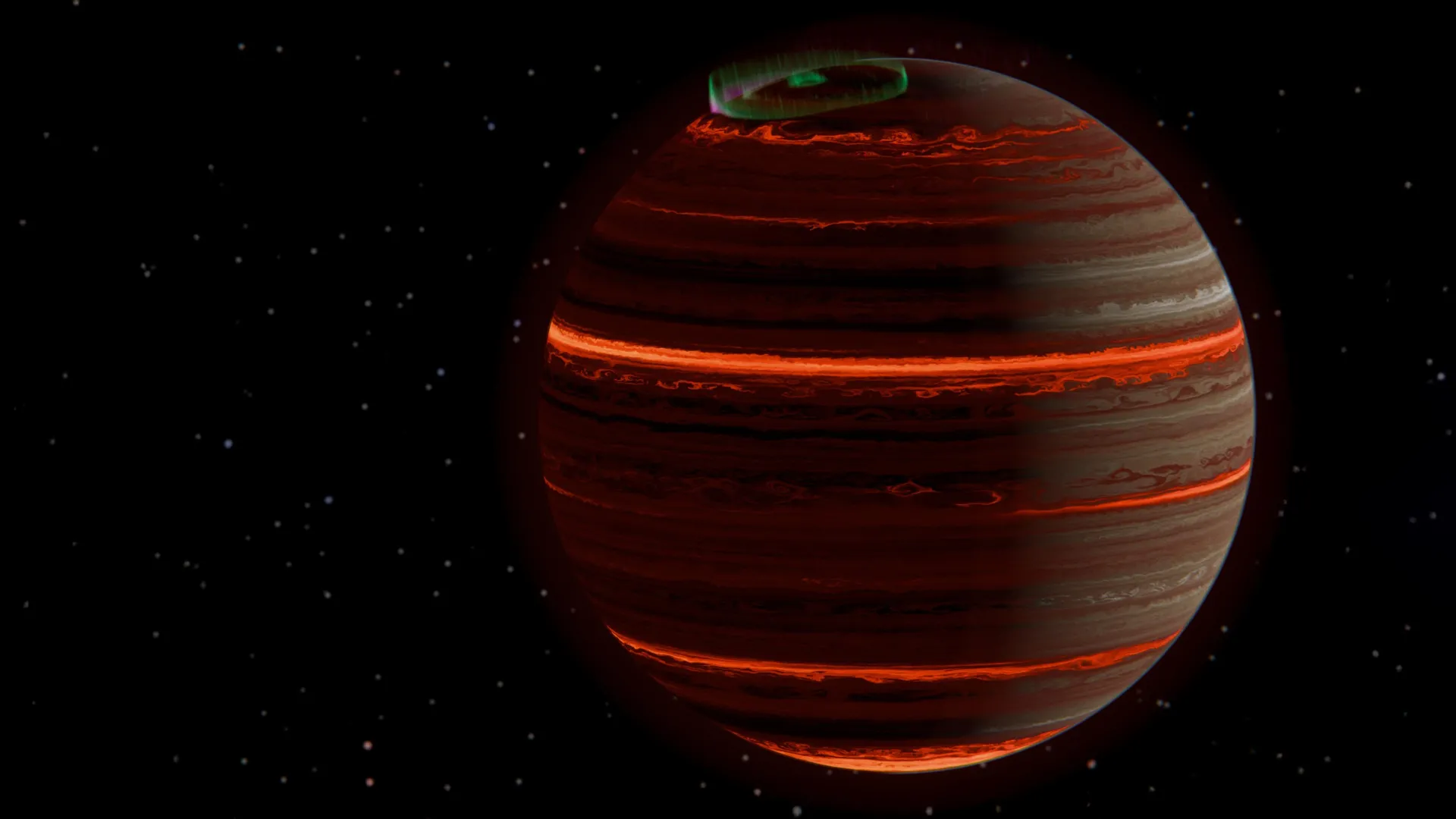
HD 3167 b lies 154 light‑years away in the constellation Pisces and is classified as a “lava world” because its surface temperature is extremely high. The team, led by University of Chicago scientist Brandon Park Coy, analyzed infrared spectra from Webb and identified signatures consistent with a thin gaseous envelope.
What the reports add
The study, published in The Astrophysical Journal Letters, notes that HD 3167 b is the coldest lava world yet found with an atmosphere, joining four other ultra‑hot terrestrial planets that also show atmospheric signs. The researchers explain that while close‑in rocky planets are expected to lose their gases to stellar wind and high‑energy photons, many lava worlds appear to retain them.
What was said
"What's so surprising is that the closer a rocky planet orbits its star, the harder it should be to have an atmosphere, because it's bombarded by stellar wind and gets more high‑energy photons from the star. But it seems that many of these lava worlds do," Edwin Kite, associate professor of geophysical sciences at the University of Chicago and co‑author, told ScienceDaily.
"These planets are too hot for life, but by studying them, we can say something about the processes that matter for other rocky worlds," Kite added.
How it came about
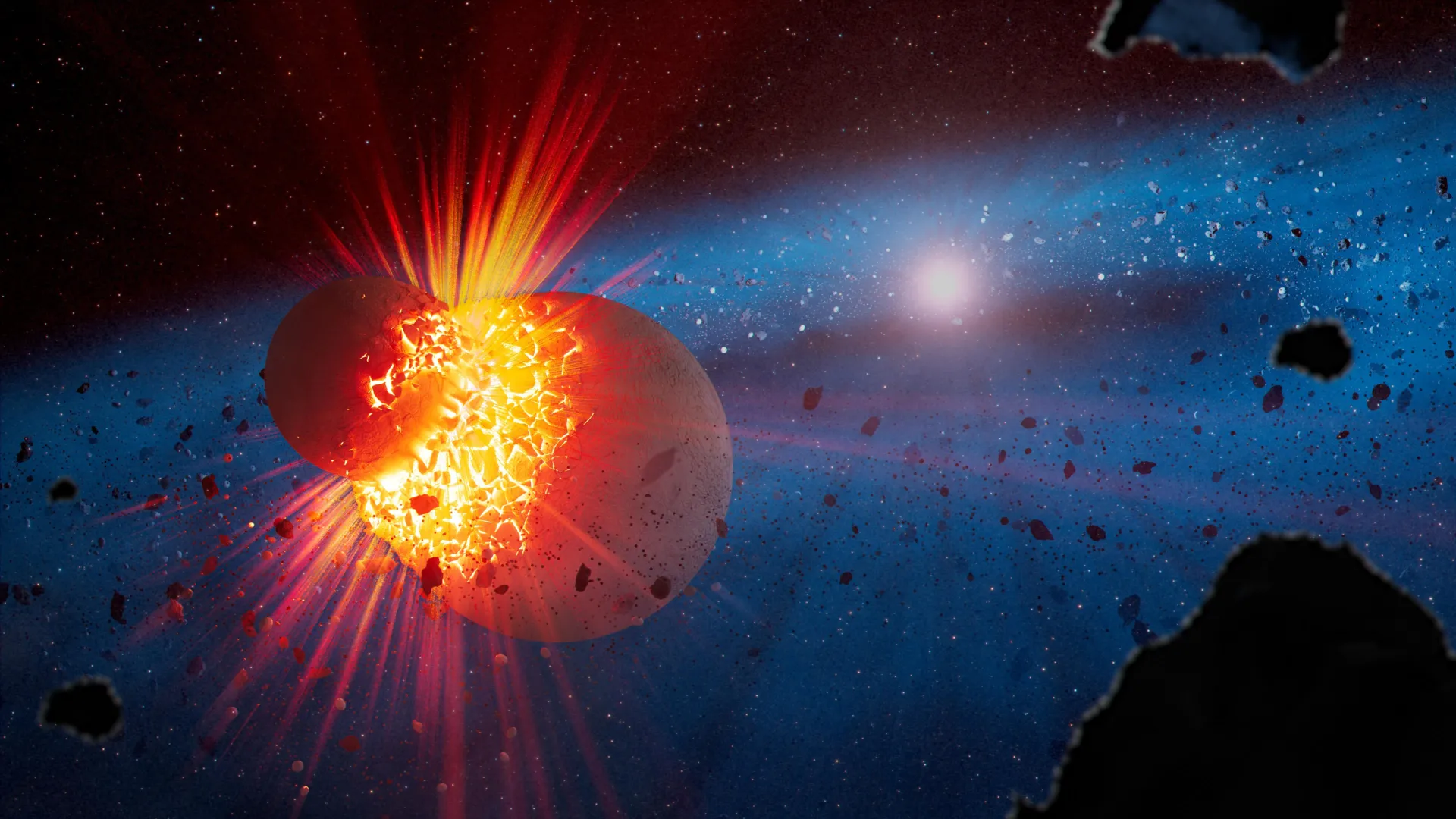
The discovery stems from a James Webb survey aimed at answering whether terrestrial planets around small stars retain atmospheres. The program, led by Megan Weiner Mansfield, PhD ’21, targets ten ultra‑hot lava worlds to identify a temperature threshold for atmospheric retention. Earlier this year, Felo News covered Webb’s work on extreme debris disks, highlighting the telescope’s role in probing planetary formation and composition.
Key facts
- HD 3167 b orbits its star in one Earth day and lies 154 light‑years away in Pisces. (sciencedaily.com)
- James Webb infrared spectra reveal signatures of a thin atmosphere on the planet. (sciencedaily.com)
- The planet is the coldest lava world yet found with atmospheric evidence. (sciencedaily.com)
- The study was led by Brandon Park Coy and co‑authored by Edwin Kite. (sciencedaily.com)
- The survey examines ten ultra‑hot lava worlds to find a temperature threshold for atmospheres. (sciencedaily.com)
Sources
- [1] sciencedaily.com — originally reported as “Webb finds a surprising atmosphere on a scorching lava world”