Lebanon PM Calls for Israeli Withdrawal at UN
Prime Minister Nawaf Salam urged the United Nations to enforce a US‑brokered ceasefire and demand Israel’s full withdrawal from southern Lebanon. He highlighted ongoing shelling, demolitions, and civilian casualties, while pledging to oversee Hezbollah’s disarmament in exchange for Israel’s exit.
By Felo News Desk · Published
Prime Minister Nawaf Salam addressed the United Nations General Assembly in New York on Friday, demanding that Israel fully withdraw from Lebanese territory and that the ceasefire negotiated in June be fully enforced. He called for the release of all Lebanese detainees and for the Lebanese army to be deployed in areas vacated by Israeli forces.
Background of the Conflict
The current flare‑up began on March 2 when Hezbollah launched a surprise attack on Israeli positions along the border, triggering a retaliatory campaign that has since escalated into a full‑scale war. Since then, Israeli forces have occupied up to 600 sq km of southern Lebanon, extending to the Litani River. The United States brokered a framework agreement in June that outlines a phased Israeli withdrawal and the re‑establishment of Lebanese sovereignty in the contested areas.
Salam’s UN Speech and Demands
In his address, Salam emphasized that the success of any agreement depends on its implementation rather than mere intentions. He called for a clear timetable and verification mechanism to ensure that Israel fulfills its commitments. Salam also pledged to oversee the disarmament of Hezbollah in exchange for Israel’s complete exit, arguing that weapons should be under state control only.
Salam stressed that Lebanon’s sovereignty cannot be selective and that international law must apply uniformly. He linked Lebanon’s stability to the broader Middle‑East peace process, particularly the rights of the Palestinian people, stating that lasting regional stability is impossible without Palestinian self‑determination.
On‑Ground Situation in Southern Lebanon
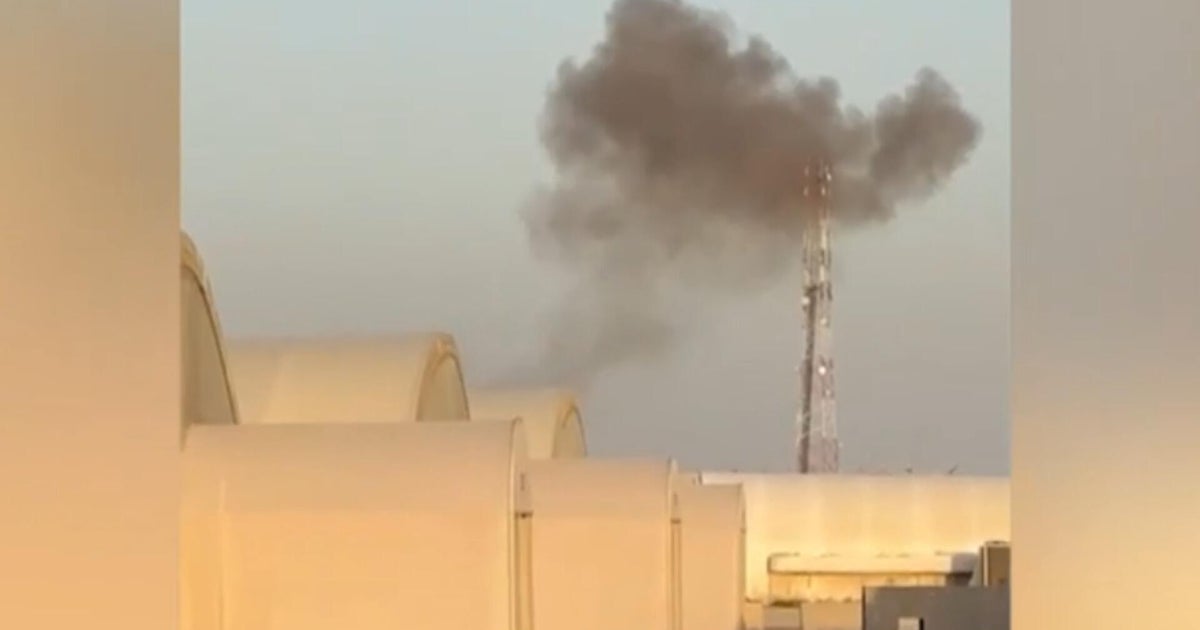
While Salam spoke in New York, reports from southern Lebanon described continued Israeli shelling and demolitions. A large explosion near Taybeh and Deir Siryan, and an air strike between Froun and Ghandourieh, ignited significant fires. Journalists on the ground noted that Israeli warplanes and drones were flying at low altitudes, and that Lebanese civil defence units were barred from accessing affected areas to extinguish flames.
According to Al Jazeera’s Zeina Khodr, more than 60 towns remain under Israeli occupation, where systematic demolition campaigns are underway. She highlighted that Israeli forces are reportedly blowing up homes despite the ceasefire framework agreement. Since the war’s onset, Israeli attacks have killed 4,386 people and wounded 12,407 others.
Future Steps and Unresolved Issues
Salam’s call for a “clear timetable and verification mechanism” remains a key point of contention. Israel has yet to agree on the specifics of the withdrawal schedule or the deployment of Lebanese forces in the vacated zones. The international community, led by the United States, is expected to mediate further negotiations. The situation remains fluid, with ongoing shelling and civilian casualties continuing to raise concerns about the durability of any ceasefire.
As the conflict persists, the international community watches closely to see whether the US‑brokered framework can translate into tangible actions on the ground, and whether Lebanon can regain full sovereignty over its southern border.
Key facts
- Salam demands Israel’s full withdrawal and enforcement of the ceasefire.
- Israel continues shelling and demolishing towns in southern Lebanon.
- At least 4,386 people killed and 12,407 wounded since March.
- Salam pledges to oversee Hezbollah’s disarmament for Israel’s exit.
- Verification mechanisms are essential for implementing the ceasefire.
- Lebanon’s stability is linked to Palestinian rights and regional peace.
Why it matters
Israel’s occupation of southern Lebanon continues to destabilize the region and inflict civilian suffering. A decisive withdrawal could restore Lebanese sovereignty and reduce the risk of further escalation.
Frequently asked questions
What is the June ceasefire framework?
A US‑brokered agreement that outlines a phased Israeli withdrawal from Lebanese territory and the deployment of Lebanese forces in vacated areas.
How many Lebanese towns are still occupied?
More than 60 towns in southern Lebanon remain under Israeli occupation.
What is the casualty count since the war began?
At least 4,386 people have been killed and 12,407 wounded by Israeli attacks.
What role does the United Nations play?
The UN provides a platform for diplomatic dialogue and can help monitor compliance with ceasefire terms.
Sources
- [1] aljazeera.com — originally reported as “Israeli shelling continues as Lebanon’s PM demands withdrawal in UN speech”