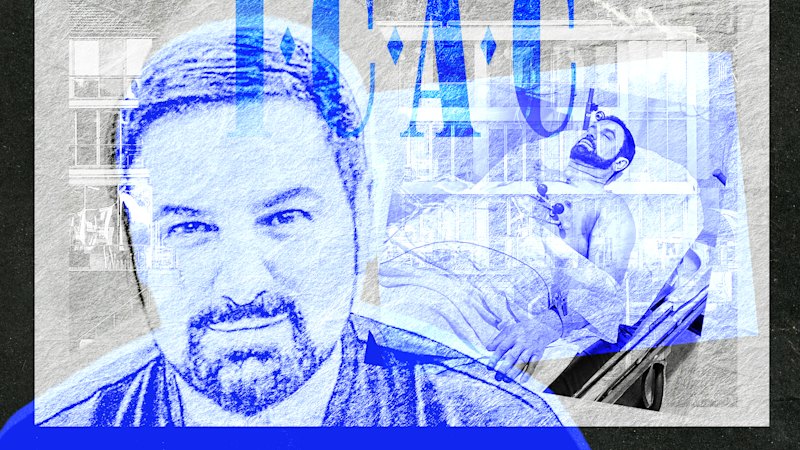
Cancer survivor mother told her three daughters need chemotherapy
Lesley Owens, who has survived squamous cell carcinoma three times, faces a new crisis as three of her five daughters are diagnosed with IRF8 gene deficiency, an ultra‑rare immune disorder that requires chemotherapy. The family has endured multiple treatments, hospital stays, and personal sacrifice…
Lesley Owens, 43, has already endured the physical and emotional toll of squamous cell carcinoma three times. After her last surgery, she lives with a colostomy and a stoma bag, yet her resilience has never faltered. Now, a new battle has emerged: three of her five daughters—Sinead (20), Caitlyn (18), and Rhiann (16)—have been diagnosed with IRF8 gene deficiency, an ultra‑rare genetic disorder that severely weakens the immune system.
What is IRF8 Gene Deficiency?
IRF8 gene deficiency is a rare inherited condition that impairs the body’s ability to produce functional immune cells. Patients often suffer from frequent infections, chronic ear problems, and a heightened susceptibility to common viruses. Because the immune system cannot respond effectively, doctors frequently administer immune cell transfusions from healthy donors and prescribe medications such as steroids to reduce inflammation. In severe cases, treatments can include chemotherapy, bone marrow transplants, and surgical removal of organs such as ovaries.
The Family’s Unprecedented Journey
Lesley’s daughters have faced a series of life‑altering medical procedures. Caitlyn has undergone chemotherapy and had an ovary removed, while Rhiann has also received chemotherapy and experienced the same surgical intervention. Sinead, the eldest, has been diagnosed with vulva cancer in addition to the gene deficiency, adding another layer of complexity to her treatment plan. All three sisters have lost their hair during chemotherapy, a visible reminder of the intensity of their medical battles.
Tyler Heyworth, the only daughter not affected by IRF8 gene deficiency, has watched her family endure years of uncertainty. “For years, my mum was taking my sisters to the doctors because they were constantly poorly,” Tyler recalls. “They would have what seemed like everyday illnesses—cold sores, flu‑like symptoms, and recurring ear problems. But because nobody knew what was actually causing it, my mum was going back to the doctors time and time again and felt like she was being fobbed off.”
Tyler believes the Owens family is one of only two worldwide to face a triple diagnosis of IRF8 gene deficiency. She told a news outlet that the condition has “changed our lives forever.” The family’s youngest sister has already undergone a bone marrow transplant and lost her hair due to treatment, while the eldest missed her prom and other key milestones because of hospital stays.
Managing Care Amid Personal Health Struggles
Despite her own health challenges, Lesley has managed to keep the household running, juggle constant medical appointments, and care for her 13‑year‑old brother Riley. “I can’t take away the chemotherapy. I can’t take away the pain. I can’t stop them having to go into hospital,” Tyler says, underscoring the helplessness that comes with watching loved ones suffer. Yet, she also praises her mother’s strength: “My mum is the strongest person I know. We’ve been through things I never imagined we’d have to face, and it’s heartbreaking. But we’re still here. We’re still fighting.”
Raising Awareness and Funds
To support her sisters’ ongoing treatment costs, Tyler launched a GoFundMe campaign. The fundraiser has already raised over £4,500 toward a £5,000 goal. Community members, including Sharna Kennedy, have contributed significantly, with Kennedy’s efforts raising £2,200. The campaign aims not only to cover everyday expenses but also to bring attention to IRF8 gene deficiency, a condition that many families may not even know exists.
“I think people hear the words ‘rare disease’ and don’t realise what that actually means for a family,” Tyler explains. “It means years of unanswered questions, hospital appointments, chemotherapy, operations, and transplants. It means watching your sisters lose their hair and miss out on their childhood and teenage years. And it means a mum who is already incredibly unwell herself still getting up every day and fighting for her children.”
What’s Next for the Owens Family?
While the family continues to navigate the complexities of IRF8 gene deficiency, they remain hopeful that increased awareness will lead to more research and better treatment options. Lesley’s own experience with cancer has given her a unique perspective on the importance of early diagnosis and comprehensive care. The family’s story serves as a reminder of the resilience required to face multiple life‑threatening conditions simultaneously.
As the Owens family continues to fight, they rely on the support of friends, medical professionals, and the broader community to help them through the next chapter of their journey.
Key Takeaways
- Lesley Owens is a three‑time cancer survivor now caring for three daughters with IRF8 gene deficiency.
- IRF8 gene deficiency severely weakens the immune system, requiring frequent treatments like chemotherapy and bone marrow transplants.
- All three affected daughters have lost their hair during chemotherapy and faced significant medical procedures.
- Tyler Heyworth has launched a GoFundMe to cover treatment costs and raise awareness of the rare condition.
- Community support has helped raise over £4,500 toward the family’s goal.
FAQs
- What is IRF8 gene deficiency? It is a rare inherited disorder that impairs the production of functional immune cells, leading to frequent infections and the need for intensive medical treatments.
- How is the condition treated? Treatments include immune cell transfusions, steroids, chemotherapy, and sometimes bone marrow transplants.
- Can the condition be prevented? Currently, there is no known prevention; early diagnosis and comprehensive care are essential.
Why it matters
The Owens family’s story highlights the profound challenges faced by families dealing with multiple life‑threatening conditions, underscoring the need for awareness, early diagnosis, and community support for rare diseases.
Key points
- Lesley Owens survived cancer three times and now manages chemotherapy for her daughters.
- IRF8 gene deficiency is an ultra‑rare immune disorder requiring intensive treatment.
- All three affected daughters have undergone chemotherapy and organ removal surgeries.
- Tyler Heyworth’s GoFundMe has raised over £4,500 toward treatment costs.
- Community support is crucial for families facing rare diseases.
- Raising awareness can lead to better research and treatment options.
Frequently asked questions
What is IRF8 gene deficiency?
An ultra‑rare inherited disorder that impairs immune cell production, leading to frequent infections and the need for treatments such as immune cell transfusions, steroids, and chemotherapy.
How does the family manage treatment costs?
Tyler Heyworth launched a GoFundMe campaign that has raised over £4,500 toward a £5,000 goal, with significant contributions from community members.
What support does the family need?
Increased awareness, research funding, and community donations to cover ongoing medical expenses and improve treatment options.