Pezeshkian Urges US to Reopen Iran Deal Before Midterms
President Masoud Pezeshkian has urged the United States to restore the June memorandum of understanding (MOU) with Iran before the upcoming U.S. midterm elections. Speaking at the UN General Assembly, he emphasized the importance of diplomatic engagement and offered to allow inspections of Iran’s n…
By Felo News Desk · Published
On the sidelines of the United Nations General Assembly in New York, Iran’s president Masoud Pezeshkian delivered a clear message to the United States: the Iranian government wants the June memorandum of understanding (MOU) back in force before the November midterm elections. The MOU, which outlined a temporary ceasefire and a framework for future negotiations, collapsed in June after both sides accused each other of violating its terms.
What the MOU Entailed
The June agreement was a short‑term truce that aimed to reduce tensions between Washington and Tehran. It called for a halt to nuclear enrichment activities, the release of prisoners, and the removal of sanctions in exchange for Iran’s compliance with international non‑proliferation norms. While the deal was never fully ratified, it served as a diplomatic foothold for both sides.
Pezeshkian’s Call to Action
During a brief interview with NBC News and other media outlets, Pezeshkian stated, “We wish Americans to return to the MOU before the midterms. We don’t want it to get to the midterm elections.” His remarks suggest that Tehran is eager to resume negotiations before the U.S. political calendar shifts, hoping to avoid a period of uncertainty that could stall diplomatic progress.
Context of the Current Diplomatic Stalemate
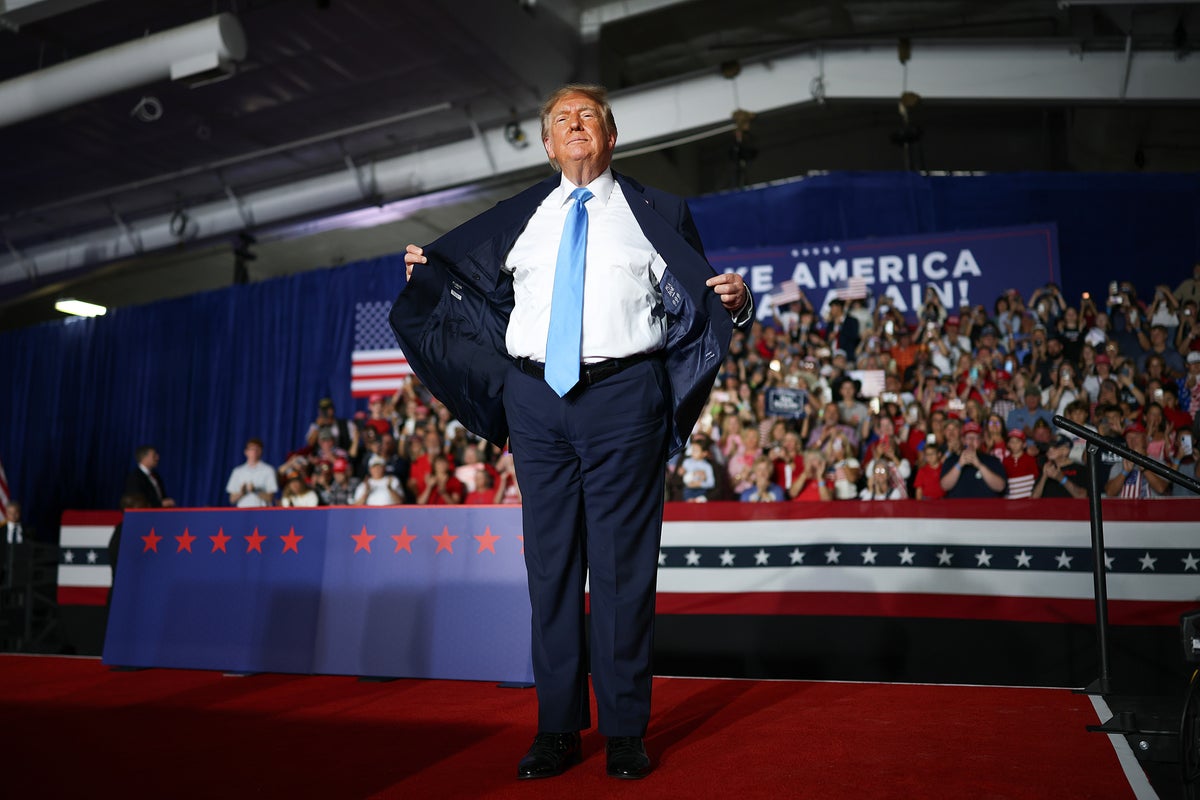
Since the MOU fell apart, both countries have been locked in a cycle of accusations. Washington has cited Iran’s continued enrichment activities as a breach, while Tehran claims the U.S. has not lifted sanctions or honored its commitments. The situation escalated further when former President Donald Trump, on September 22, declared that he expected a deal only after the November 3 midterm elections, implying that Iran was waiting to see how his political fortunes would change.
In contrast, Pezeshkian’s stance signals a different timeline. He rejected the notion that Iran was seeking to delay talks until after the election, instead offering to allow inspections of its nuclear facilities as a gesture of goodwill. This move could be seen as an attempt to build trust and demonstrate Iran’s willingness to comply with international standards.
Broader Implications for Regional Security
Iran’s comments come at a time when the country has hinted that it could reopen the Strait of Hormuz within a week if Washington eases its military pressure and lifts the blockade. The strait, a critical chokepoint for global oil shipments, has been a flashpoint in U.S.–Iran tensions for years. Any decision to open it would have significant ramifications for global energy markets and regional stability.
Moreover, Pezeshkian’s insistence on a pre‑midterm resolution underscores the importance of timing in international diplomacy. By pushing for an earlier agreement, Iran hopes to avoid the political uncertainties that could arise from a shift in U.S. administration or policy after the elections.
What Happens Next?
While the president’s remarks signal a willingness to resume talks, no concrete steps have been announced. The U.S. State Department has yet to respond formally, and it remains unclear whether Washington will accept Iran’s offer to allow inspections. The international community, particularly the European Union and the United Nations, will likely monitor the situation closely, as any breakthrough could reshape the diplomatic landscape in the Middle East.
In the meantime, analysts suggest that both sides will continue to engage through back‑channel negotiations while keeping public statements measured. The outcome of these talks will depend on domestic political pressures, the global economic climate, and the strategic interests of regional allies.
Ultimately, the success of a renewed MOU will hinge on mutual trust, verification mechanisms, and the willingness of both governments to address each other’s core concerns. Whether the U.S. will heed Tehran’s call before the midterms remains to be seen, but the conversation has already shifted the diplomatic narrative toward a potential reset.
Key facts
- Iran’s president urges US to revive June MOU before November elections
- MOU collapse followed mutual accusations of non‑compliance
- Pezeshkian offers inspections of nuclear facilities
- Iran hints at reopening Strait of Hormuz if US eases blockade
- Trump expects deal only after midterms, contrasting Iran’s stance
- Outcome depends on trust, verification, and political will
Why it matters
The timing of a renewed Iran‑U.S. agreement could prevent a period of heightened uncertainty during the U.S. midterm elections, potentially stabilizing the region and averting escalation in the Strait of Hormuz.
Frequently asked questions
What is the June memorandum of understanding?
It was a temporary ceasefire agreement between Iran and the United States that outlined steps for nuclear compliance and sanctions relief, but it collapsed after both sides accused each other of violating its terms.
Why does Iran want the deal before the US midterms?
Iran believes that a pre‑midterm agreement would avoid a period of political uncertainty in the US that could stall diplomatic progress and allow for a more stable environment to negotiate.
What does Iran offer to facilitate trust?
Iran has offered to allow inspections of its nuclear facilities as a gesture of goodwill and to demonstrate compliance with international norms.
Sources
- [1] gulfnews.com — originally reported as “Pezeshkian wants US to revive Iran deal before midterms”