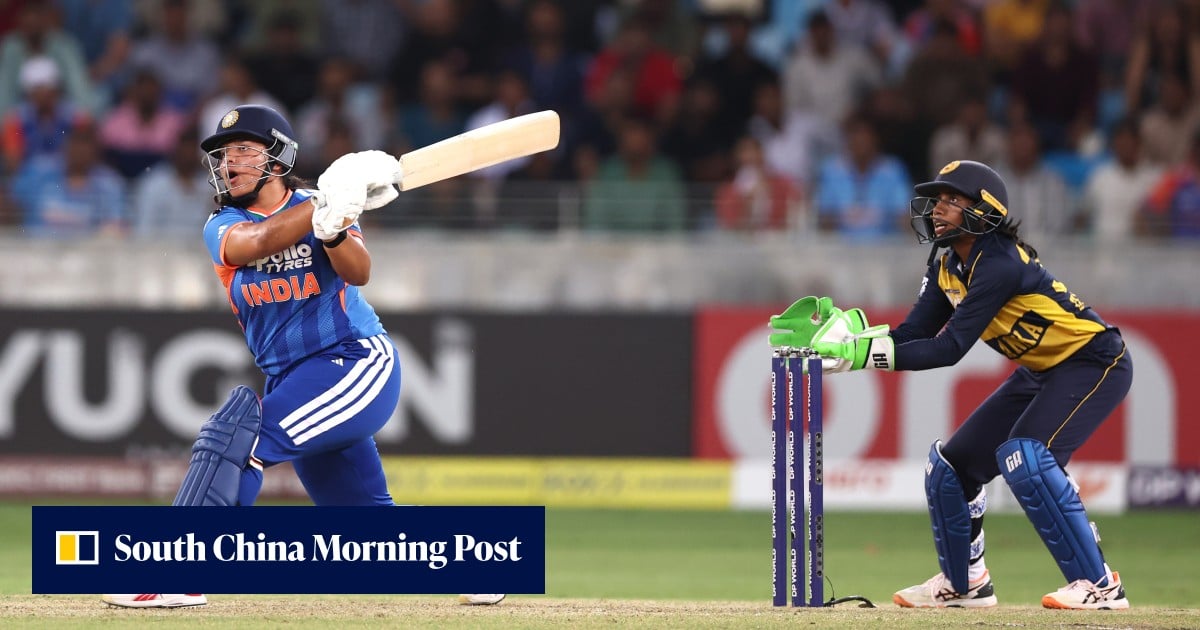
Cricket turns political again as India do not accept Asia Cup trophy
In Dubai, the Women’s Asia Cup final ended with India beating Sri Lanka, but the Indian team refused to accept the trophy from ACC President Mohsin Naqvi, who also serves as Pakistan’s interior minister. The incident highlights the strained diplomatic and sporting relations between India and Pakist…
On Sunday night in Dubai, the Women’s Asia Cup final concluded with India defeating Sri Lanka by 72 runs, securing their eighth title. However, the post‑match ceremony became a flashpoint when the Indian squad declined to accept the trophy from Asian Cricket Council (ACC) President Mohsin Naqvi, who also holds the position of Pakistan’s interior minister.
What Happened at the Award Ceremony
The match wrapped up around 9:50 pm (17:50 GMT), but the trophy presentation did not commence until 10:40 pm (18:40 GMT). A temporary stage was erected, and Naqvi stood beside other dignitaries as the ceremony began. Match officials were the first to receive medals, followed by Sri Lankan players. Sri Lanka’s captain, Chamari Athapaththu, accepted the runners‑up award and spoke briefly about her team’s performance.
Notably, no individual accolades—such as Player of the Match or Player of the Tournament—were awarded, and the Indian team was never called onto the stage to receive its medals or the trophy. Instead, the Indian players and support staff were seen standing in a circle outside their dressing room, remaining absent from the ceremony. The ACC and the Board of Control for Cricket in India (BCCI) did not comment on the incident.
Historical Context and Political Underpinnings
India’s refusal echoes a similar episode last September when the men’s team declined to accept the Asia Cup trophy from Naqvi, who was then the ACC chairman and Pakistan Cricket Board chief. BCCI chairman Devajit Saikia later confirmed that the decision was driven by Naqvi’s dual role as a Pakistani political leader.
India and Pakistan have been embroiled in escalating tensions since April 2025, following a series of violent incidents and military operations. The conflict intensified after a deadly attack in Pahalgam, Kashmir, and subsequent missile strikes by both sides. Diplomatic relations have been strained, and sporting encounters have mirrored the hostility seen on the battlefield.
Impact on India‑Pakistan Cricket Relations
Since the hostilities began, every cricketing interaction between the two nations—whether men’s, women’s, or junior teams—has been marked by tension. Handshakes at pre‑match tosses and post‑match walk‑offs have been omitted, and players have exhibited hostile behavior on the field. The Women’s Asia Cup final was no exception, with the Indian team’s refusal to accept the trophy underscoring the politicization of sport in the region.
What Happens Next?
Both India and Pakistan will compete in the upcoming Asian Games in Japan, where they could face each other in the men’s and women’s tournaments. While they are not in the same early group stages, a potential India‑vs‑Pakistan final remains a possibility in both competitions. The incident in Dubai may influence how future matches are conducted and how trophies are presented.
As the diplomatic situation remains uncertain, cricket boards and international bodies may need to reassess protocols for award ceremonies involving politically sensitive figures. The incident has reignited discussions about separating sport from politics, especially in regions where national rivalries run deep.
In the meantime, the Indian Women’s team has posted a group photo with coaching staff in an empty stadium, signaling their triumph while sidestepping the controversial trophy presentation.
While the ACC has yet to release an official statement, the episode serves as a stark reminder of how geopolitical tensions can spill over into the world of sports, affecting players, fans, and the integrity of international competitions.
Why This Matters
The refusal to accept a trophy is more than a symbolic gesture; it reflects the broader struggle between national pride and diplomatic relations. Such incidents can influence public perception, fan engagement, and the future of bilateral sporting events.
Key Takeaways
- India won the Women’s Asia Cup but declined the trophy from ACC President Mohsin Naqvi.
- The incident mirrors a similar event in the men’s final last year.
- India‑Pakistan tensions have escalated since April 2025, affecting diplomatic and sporting ties.
- Future India‑Pakistan matches, including those at the Asian Games, may be influenced by this controversy.
- Sporting bodies may need to revise award protocols to avoid political entanglements.
Frequently Asked Questions
- Why did India refuse the trophy? The Indian board cited Mohsin Naqvi’s dual role as a Pakistani political leader as the reason for rejecting the trophy.
- What was the reaction from the ACC? The ACC has not yet released an official statement regarding the incident.
- Will this affect future India‑Pakistan matches? It could influence how future matches are organized, especially regarding award ceremonies.
Why it matters
The incident underscores how geopolitical conflicts can infiltrate sports, affecting player conduct, fan engagement, and the integrity of international tournaments.
Key points
- India won the Women’s Asia Cup but declined the trophy from ACC President Mohsin Naqvi.
- The refusal echoes a similar event in the men’s final last year.
- India‑Pakistan tensions have escalated since April 2025, impacting diplomatic and sporting relations.
- Future India‑Pakistan matches, including those at the Asian Games, may be affected.
- Sporting bodies may need to revise award protocols to avoid political entanglements.
Frequently asked questions
Why did India refuse the trophy?
The Indian board cited Mohsin Naqvi’s dual role as a Pakistani political leader as the reason for rejecting the trophy.
What was the reaction from the ACC?
The ACC has not yet released an official statement regarding the incident.
Will this affect future India‑Pakistan matches?
It could influence how future matches are organized, especially regarding award ceremonies.