Brief
ICRC urges stronger disarmament at UN General Assembly First Committee
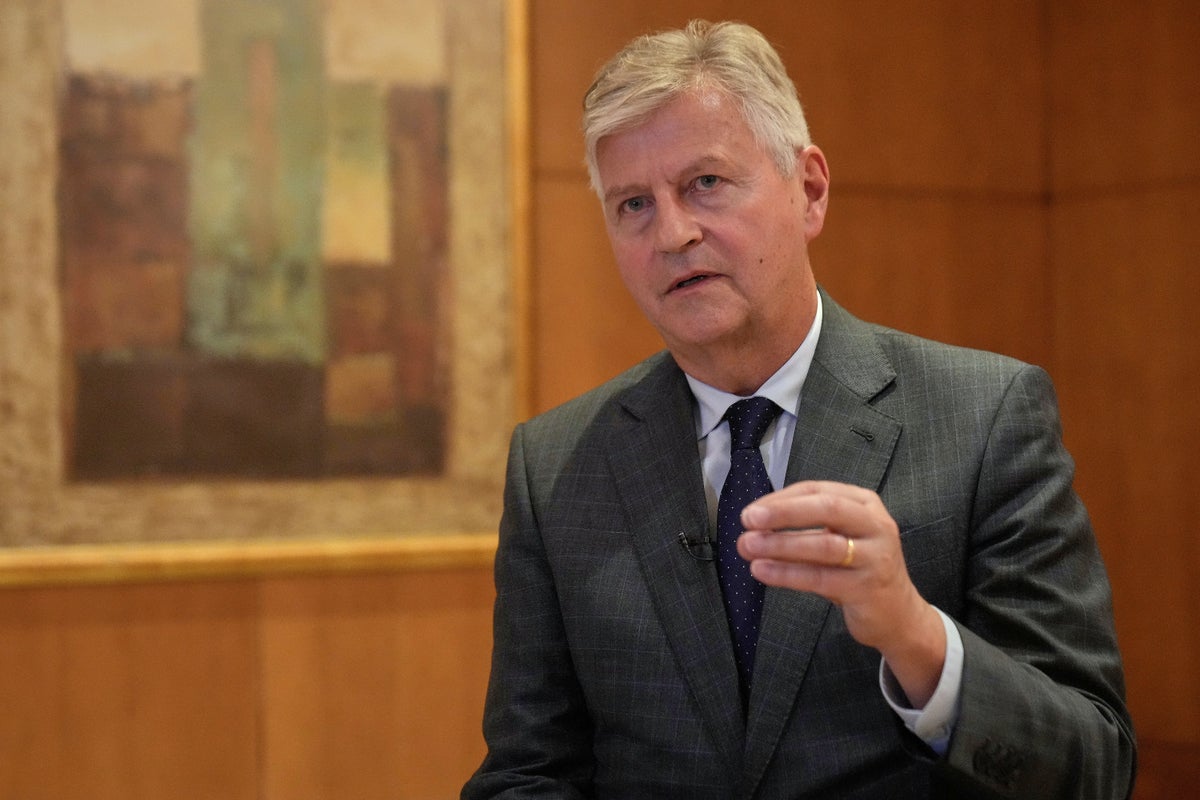
Laurent Gisel, head of the ICRC’s Arms and Conduct of Hostilities Unit, appealed to the UN First Committee to redouble efforts on disarmament and non‑proliferation.
By Felo News Desk · Published
Laurent Gisel, head of the International Committee of the Red Cross (ICRC) Arms and Conduct of Hostilities Unit, addressed the United Nations General Assembly’s First Committee on 14 October, warning that the continued use of heavy explosive weapons, anti‑personnel mines, cluster munitions and nuclear arms inflicts devastating civilian harm.
What happened
In his statement, Gisel described daily observations by ICRC staff of civilian casualties and destroyed infrastructure caused by heavy explosive weapons in populated areas. He highlighted the lingering suffering from mines and cluster munitions long after hostilities cease, and warned that irresponsible arms transfers perpetuate cycles of violence. He also noted that emerging warfare technologies create new civilian risks, while nuclear weapons remain an existential threat.
What the reports add
The ICRC emphasized that disarmament and non‑proliferation are not “peacetime luxuries” but essential safeguards when the prospect of major conflict grows. Gisel called for states to fully implement existing treaties, expand their universalisation, and develop new instruments to address risks from novel weapons technologies.
What was said
“Disarmament and non‑proliferation are essential to preventing war and strengthening international peace and security,” Gisel told the Committee, as reported by the ICRC.
He also applauded recent state actions, noting Lebanon’s accession to the Anti‑Personnel Mine Ban Convention in May, and the addition of twelve states to the Arms Trade Treaty since 2020.
How it came about
The statement was delivered amid rising geopolitical tensions and the looming prospect of large‑scale conflict, which the ICRC says heightens the protective value of disarmament instruments. The ICRC’s appeal builds on its longstanding advocacy for stronger international humanitarian law and follows earlier UN debates on arms control.
Key facts
- ICRC head Laurent Gisel addressed the UN First Committee on 14 October 2026. (icrc.org)
- He warned that heavy explosive weapons, mines, cluster munitions and nuclear arms cause severe civilian harm. (icrc.org)
- Gisel called on states to fully implement existing disarmament treaties and develop new rules for emerging weapons. (icrc.org)
- Lebanon joined the Anti‑Personnel Mine Ban Convention in May 2026; twelve states have joined the Arms Trade Treaty since 2020. (icrc.org)
Sources
- [1] icrc.org — originally reported as “Statement to the UN General Assembly's First Committee”