Gas Prices Push Americans to Choose Groceries Over Fuel
American drivers are feeling the squeeze as gas prices climb, with many choosing between fuel and food. President Trump’s defense of the Iran war as a “small price” has drawn bipartisan criticism, while voters express growing economic anxiety ahead of the midterms.
By Felo News Desk · Published
In a sweltering South Texas town, 28‑year‑old Amazon delivery driver Quinten Martinez pulls up to a gas station and watches the pump’s digits climb. He wonders whether this week’s groceries will be affordable if he has to keep his truck running. Martinez’s dilemma is a microcosm of a nationwide trend: more Americans are forced to choose between filling up their tanks and paying for basic necessities.
High Fuel Costs and the Iran Conflict
President Donald Trump recently defended the war with Iran, saying the higher price of gasoline is a “very inexpensive price to pay.” He framed the conflict as essential to preventing Iran from acquiring a nuclear weapon. However, the cost of a gallon of fuel has risen sharply, with AAA reporting a national average of $4.48 on Friday—up 17 cents in a week, 40 cents in a month, and $1.27 from a year ago.
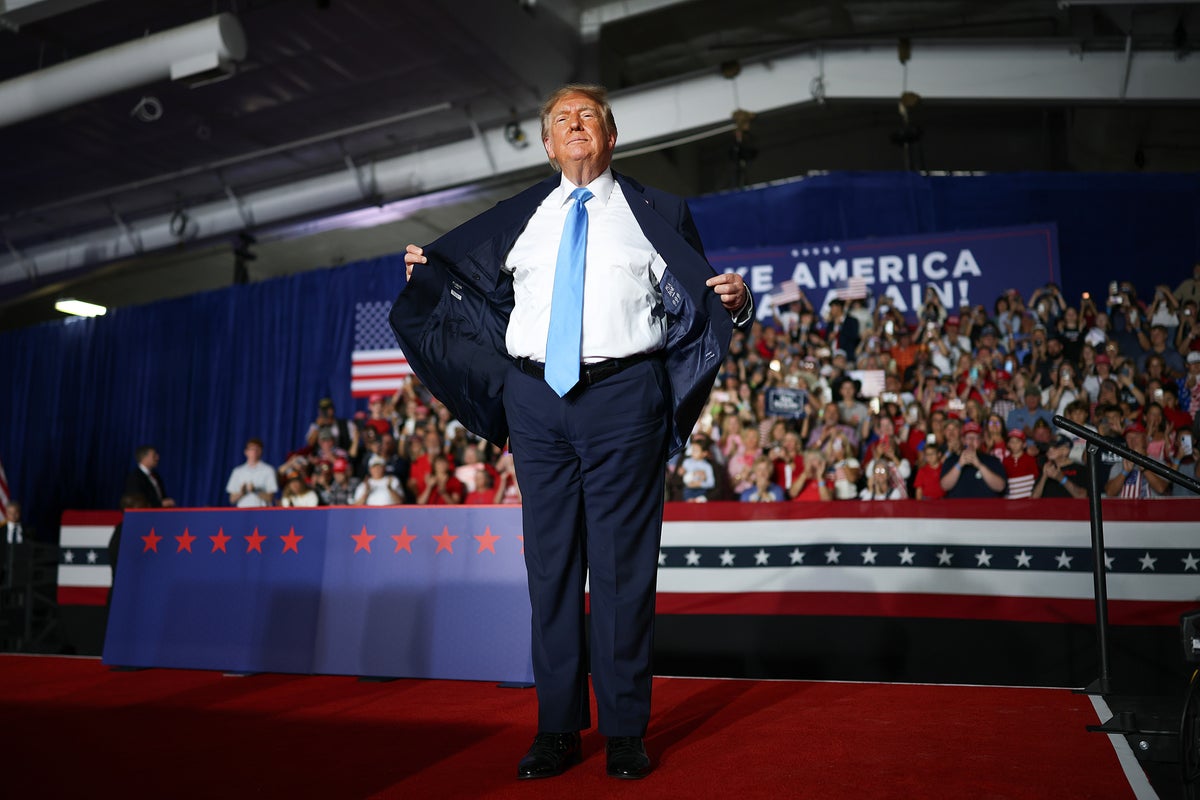
Trump’s comments were made during a campaign stop in North Carolina, where he downplayed the impact of rising fuel costs. He told voters that the price increase was “a little more” and that even if it were higher, it was a necessary sacrifice. The statement has sparked backlash from voters who feel the war’s financial toll is too great.
Voter Sentiment Across the Spectrum
Interviews with residents in Texas, Arizona, Michigan, Virginia, and North Carolina reveal a shared frustration. Democrats, independents, and even some Trump supporters are expressing discontent. In Virginia, 60‑year‑old engineer Alan Johnson voted for Democrats, citing a lack of empathy from the president amid soaring gas prices.
In Texas, Kristin Jimenez, a small‑business owner, said she would vote Republican because she sees the party as the “lesser of two evils.” She added that gas prices were not a deciding factor, but the overall cost of living was. Meanwhile, 35‑year‑old Garth Johnson in Michigan, who runs a cleaning business, is uncertain about his November vote after paying $6.79 for diesel for his SUV.
Across the board, voters feel that the administration has worsened the economy. A Fox News poll released Wednesday found that 63% of voters believe the administration has made the economy worse, compared with 52% in September 2025. Republicans are more divided, with only 46% saying the administration has improved the economy.
Implications for the Midterm Elections
The midterms arrive in a climate of economic anxiety. Historically, the president’s party suffers losses in midterm elections, and the current affordability crisis could amplify that trend. Republican strategists acknowledge that gas prices are a critical issue that voters experience daily. Chris Wilson, a veteran strategist, said that “the price is literally staring them in the face several times a week.”
Despite this, some Trump supporters remain loyal. Dan Lloyd, a 63‑year‑old carpenter from Mesa, Arizona, paid $4.39 for a gallon and expressed disappointment in the president’s leadership but still plans to vote Republican. He criticized the administration’s handling of oil supply, noting that “we thought we were flush with gas, but no.”
Conversely, independent teacher Brittney Bivins in Raleigh, North Carolina, sees the rising fuel costs as evidence that the Republican Party is out of touch with everyday people. She is leaning toward the Democratic Party’s emerging progressive wing for the next election cycle.
As the election approaches, the debate over the Iran war and its economic fallout is likely to remain a key battleground. Voters who feel that their wallets are being squeezed may use the ballot to express their discontent, potentially reshaping the political landscape.
What’s Next?
While the war with Iran continues, the U.S. government faces pressure to address the domestic fallout of higher fuel prices. The upcoming midterm elections will serve as a referendum on the administration’s economic policies. Politicians on both sides will need to articulate clear plans to alleviate the cost burden on working‑class families if they hope to secure electoral gains.
For now, drivers across the country remain caught between the need to keep their vehicles running and the necessity of feeding their families. The choice is stark: fill the tank or fill the pantry.
Key facts
- Gas prices have risen sharply, reaching $4.48 per gallon nationally.
- President Trump defends the Iran war, citing fuel costs as a small price to pay.
- Voters across party lines express frustration with the economic impact of higher gas prices.
- The midterm elections may reflect voters’ dissatisfaction with the administration’s handling of the economy.
- Polls indicate a majority believe the administration has worsened the economy.
- Political strategists acknowledge gas prices as a pivotal issue for voters.
Why it matters
High fuel prices directly affect everyday Americans, influencing both personal finances and political choices. Understanding this dynamic is crucial for voters, policymakers, and businesses navigating the current economic climate.
Frequently asked questions
Why are gas prices higher now?
Higher gas prices are partly due to increased global oil demand, geopolitical tensions, and the U.S. administration’s policies related to the Iran conflict, which have disrupted supply chains.
Can the government lower gas prices?
The government can influence fuel prices through policies such as adjusting taxes, supporting domestic production, and negotiating international agreements, but market forces ultimately set the final price.
Will the midterm elections be affected by fuel costs?
Yes, rising fuel costs are a significant concern for voters and could influence voting patterns, especially among working‑class and middle‑class households.
Sources
- [1] fortune.com — originally reported as “As high gas prices force people to choose between filling up or buying groceries, Trump says 'it’s a very inexpensive price to pay' for the Iran war”