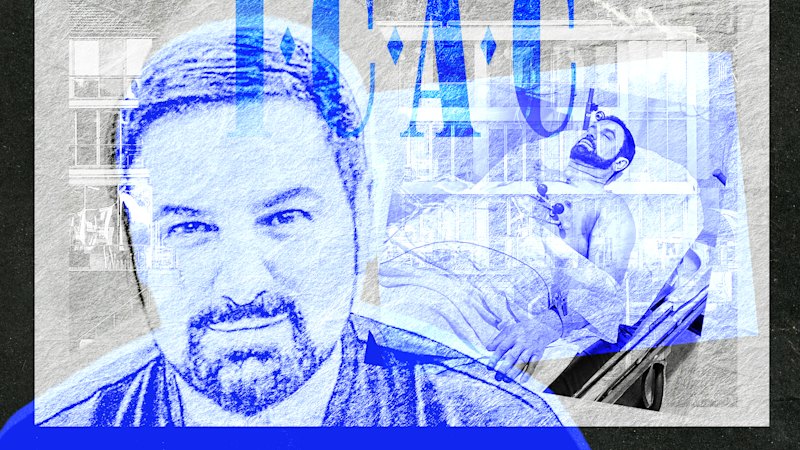
Greek Pop Star Giorgos Mazonakis’ Death: Doctors Face Upgraded Manslaughter Charges and Possible Life Sentence Over Illegal Plasma Exchange
Giorgos Mazonakis, a celebrated Greek pop icon, died of cardiac arrest during a plasma exchange procedure at a clinic run by a pathologist and his wife. Prosecutors have upgraded the charges to manslaughter with possible intent, potentially facing a 20‑year sentence. The case exposes illegal use of…
Giorgos Mazonakis, 54, was a household name in Greece, known for his chart‑topping hits and platinum albums that spanned more than thirty years. The pop legend died on September 9, 2026, during a plasma exchange treatment at a clinic in Athens. The procedure, intended to cleanse the blood, ended in a fatal cardiac arrest that shocked fans and the medical community alike.
What Happened at the Clinic?
The clinic, operated by pathologist Polytimi Leonardou and his wife—who holds a non‑specialist medical license—was found to have performed the procedure without the necessary medical team or regulatory approval. The treatment involved two plasma exchange devices, one of which ran for 42 minutes while Mazonakis was under care. According to senior ISA official Polytimi Leonardou, the clinic was registered only as a pathology practice and therefore had no legal authority to conduct plasma exchanges.
During the session, Mazonakis lost consciousness before the procedure began, a claim the doctors deny. They argue that the patient’s sudden collapse was not related to the treatment. However, police investigations have uncovered digital evidence that contradicts their statements, suggesting deliberate attempts to conceal critical details.
Legal Repercussions and Charges
On Monday, prosecutors upgraded the charges against the two doctors to manslaughter with possible intent. The maximum penalty for this offense is 20 years in prison, and the case now carries the potential for a life sentence if aggravating factors are proven. Police spokeswoman Konstantia Dimoglidou emphasized that the investigation is focused on uncovering how the accused tried to hide evidence and who else may have been involved.
Both suspects are currently in police custody and will face trial. The case has highlighted the broader issue of illegal medical practices in Greece, particularly in the burgeoning field of anti‑ageing treatments that often operate outside the established health‑care framework.
Regulatory Gaps in Anti‑Ageing Clinics
The Greek Health Ministry has acknowledged that there is no comprehensive regulatory framework governing anti‑ageing clinics. Health Minister Adonis Georgiadis stated, “We must find the gaps in the system,” during a press briefing outside Mazonakis’s burial site. The lack of oversight has allowed clinics to operate with unapproved equipment and personnel, raising serious safety concerns.
Professional bodies such as the Athens Medical Association (ISA) have called for stricter controls. ISA officials noted that the clinic’s illegal possession of two plasma exchange devices violated national health regulations. The association is urging the government to develop clear guidelines and licensing requirements for clinics offering such treatments.
Impact on Fans and the Music Community
Following Mazonakis’s death, thousands of fans gathered at a church vigil in his hometown of Nikaia, west Athens. The event drew a large crowd, including many fellow musicians and celebrities, all mourning the loss of a beloved artist. Mazonakis was scheduled to perform a retrospective concert in Athens on September 20, an event that will now be canceled or postponed in light of the tragedy.
The music community has expressed deep sorrow, with several artists releasing statements condemning the incident and calling for better medical oversight. The case has sparked a national conversation about the responsibilities of medical professionals and the need for transparent, safe procedures.
What Happens Next?
The legal proceedings against the clinic’s doctors are set to begin shortly. Prosecutors will present the evidence that suggests intentional concealment and will argue that the doctors’ negligence directly caused Mazonakis’s death. Meanwhile, the Greek health authorities are expected to review and tighten regulations surrounding plasma exchange and anti‑ageing treatments.
As the case unfolds, it remains unclear whether additional parties will be implicated. The investigation is ongoing, and updates will be released as new information emerges. The death of Giorgos Mazonakis has not only left a void in Greek music but has also highlighted critical gaps in patient safety and medical regulation.
Why it matters
The case underscores the urgent need for stricter oversight of medical procedures, especially those marketed as anti‑ageing treatments. It also serves as a stark reminder of the potential risks patients face when clinics operate outside legal boundaries.
Key points
- Giorgos Mazonakis died during a plasma exchange in Athens.
- Doctors upgraded to manslaughter charges, possible 20‑year sentence.
- Clinic illegally used two plasma devices without proper licensing.
- Greek Health Ministry admits lack of regulation for anti‑ageing clinics.
- Fans and the music community mourn the loss and call for safer medical practices.
Frequently asked questions
What is plasma exchange and why was it used on Giorgos Mazonakis?
Plasma exchange is a medical procedure that removes blood plasma and replaces it with donor plasma or a substitute. It is traditionally used to treat autoimmune disorders but has increasingly been marketed for anti‑ageing and longevity benefits. Mazonakis underwent the procedure at a clinic that was not authorized to perform it.
What are the legal consequences for the doctors involved?
The doctors face manslaughter charges with possible intent, carrying a maximum penalty of 20 years in prison. If aggravating factors are proven, a life sentence could be imposed.
How is Greece regulating anti‑ageing clinics?
Currently, Greece lacks a comprehensive regulatory framework for anti‑ageing clinics. The Health Ministry has acknowledged this gap and is working to develop clearer guidelines and licensing requirements.