Ethiopia Telecom Blackout as Tigray Conflict Escalates
Northern Ethiopia has experienced a sudden loss of phone and internet services as fighting between the federal army and the Tigray People’s Liberation Front (TPLF) intensifies. The shutdown mirrors the 2020‑2022 blackout that left the region isolated and suffering famine‑like conditions. The confli…
By Felo News Desk · Published
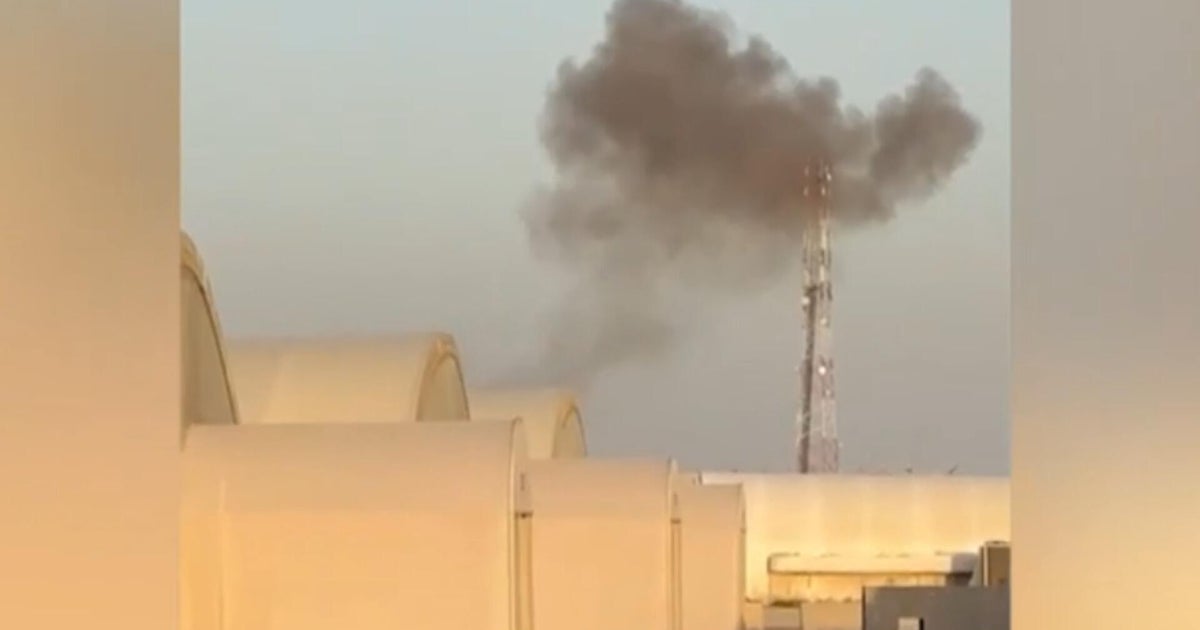
In the early hours of Friday, residents of Tigray and surrounding regions reported that their mobile phones and internet connections went dark. The disruption coincided with a surge in hostilities between Ethiopia’s federal military and forces loyal to the Tigray People’s Liberation Front (TPLF), the party that once ruled the region before the 2020‑2022 civil war.
What Triggered the Blackout?
According to NetBlocks, a digital rights monitoring organization, the outage aligns with reports that the TPLF ordered private operator Safaricom and state‑owned Ethio Telecom to cut service in the area. The move is believed to be a tactical decision aimed at neutralising the advantage of government forces that rely on battlefield drones and real‑time communications.
While the TPLF has long been accused of controlling the region’s telecom infrastructure, this is the first time it has explicitly mandated a shutdown. The order came as the TPLF’s forces were reportedly preparing for a “defensive war” in response to what they described as a full‑scale offensive by the federal army.
From Local Skirmishes to a Wider Conflict
For months, low‑level clashes between the federal army and Tigrayan fighters had simmered along the border. However, the past week saw a dramatic escalation. The TPLF, together with six other armed groups, announced the formation of the Ethiopian Peoples’ Forces Alliance for Survival, a coalition explicitly aimed at toppling Prime Minister Abiy Ahmed.
Under the new alliance, forces seized three airports in the Afar and Amhara regions and launched coordinated attacks on federal troops. The TPLF’s claim that the government had deployed infantry, mechanised units and drones in a full‑scale offensive has been echoed by the federal side, which has also accused Eritrea of providing financial support to the TPLF and its allies.
Historical Context: The 2020‑2022 Blackout
The current situation echoes the 2020‑2022 civil war, during which Tigray was effectively cut off from the outside world. The government’s blockade of telecommunications and supplies led to famine‑like conditions, with estimates of up to 600,000 deaths. Citizens were forced to stockpile basic goods and withdraw cash in a desperate bid to survive.
Now, as the new blackout unfolds, residents are once again scrambling for supplies, fearing that the conflict could spread further and that the region might be subjected to a repeat of the earlier humanitarian crisis.
International Reactions and Future Risks
The United States, which lifted sanctions on Ethiopia and Eritrea this month, has expressed concern that the conflict could destabilise the Horn of Africa. The U.S. statement noted that the “national emergency… has expired,” but it also warned that the situation remains fragile.
Meanwhile, Eritrea’s involvement remains uncertain. The country has denied allegations of backing the TPLF, but its proximity to Ethiopia’s landlocked borders raises the possibility that the conflict could spill over, potentially threatening regional security and access to the Red Sea.
As the fighting continues, the international community watches closely. The potential for a full‑scale war, coupled with the risk of another communications blackout, underscores the urgent need for diplomatic intervention and humanitarian assistance.
What Happens Next?
With the alliance’s forces controlling key infrastructure and the federal army scrambling to respond, the conflict is poised to either widen further or reach a stalemate. The government’s next steps will likely involve attempts to restore communications and negotiate a ceasefire, while the TPLF may seek to consolidate its gains and expand its influence.
Until a resolution is found, residents of northern Ethiopia face continued uncertainty, with the threat of another humanitarian crisis looming large.
In the meantime, international observers and aid organisations are calling for immediate measures to prevent a repeat of the 2020‑2022 blockade and to ensure that basic services remain available to civilians caught in the crossfire.
Key facts
- Telecom blackout mirrors 2020‑2022 famine‑like conditions
- TPLF’s alliance aims to topple Prime Minister Abiy Ahmed
- Conflict now spans Tigray, Afar, and Amhara
- International sanctions lifted amid ongoing tension
- Potential Eritrean involvement could widen regional risk
Why it matters
The sudden telecom shutdown threatens to repeat a humanitarian disaster that killed hundreds of thousands during the 2020‑2022 war, while the expanding conflict risks destabilising the entire Horn of Africa.
Frequently asked questions
What caused the telecom blackout?
The TPLF ordered private and state telecom operators to cut service as part of a tactical strategy against government drones.
How many people have died in the current conflict?
Exact numbers are still emerging, but the war has already claimed several hundred lives.
Is the U.S. involved?
The U.S. lifted sanctions but has warned that the conflict remains fragile and could destabilise the region.
Could Eritrea join the conflict?
Eritrea denies supporting the TPLF, but its proximity raises the risk of spill‑over.
Sources
- [1] aljazeera.com — originally reported as “Fighting in northern Ethiopia spurs fears of blackout and blockade”